

Pomegranate trees can thrive in Columbus, OH, with proper care and attention. Selecting the right variety and understanding local climate conditions are crucial for successful growth.
Cold-Hardy Pomegranate Varieties for Columbus
Choosing the appropriate pomegranate variety is essential for successful cultivation in Columbus. The local climate, characterized by cold winters and warm summers, influences which types will flourish. Look for varieties that are cold-hardy and can withstand temperatures as low as 10°F. Recommended varieties include:
Wonderful: Known for its large fruit and juicy seeds.
Angel Red: Offers sweet, flavorful fruit with a high juice content.
Parfianka: Produces large, sweet fruits with a rich flavor.
Recommended Products
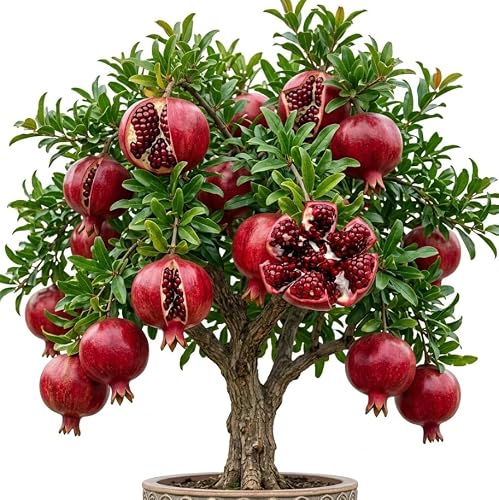
Each order includes a live red pomegranate plant, carefully grown and ready to thrive in your garden or home.

The Russian Pomegranate tree lives up to its name with its edible fruit, showy flowers, and low amount of overall maintenance. This Fruit tree is a joy to grow in any warm outdoor landscape.

Columbus Climate Impact on Pomegranate Growth
Columbus, Ohio, presents unique climatic challenges and opportunities for growing pomegranate trees. Understanding the local weather patterns, seasonal variations, and soil conditions is essential for successful cultivation. This section explores how the specific climate of Columbus influences the growth and productivity of pomegranate trees, providing valuable insights for local gardeners and enthusiasts.
Columbus experiences a humid continental climate, which can affect pomegranate growth. The average annual temperature is around 50°F, with winter lows often dropping below freezing. Understanding these conditions helps in planning for the best planting time and care.
Frost Dates: Last frost typically occurs in mid-April.
Growing Season: Approximately 180 days from spring to fall.
Soil Preparation for Pomegranate Trees
Proper soil preparation is crucial for successfully growing pomegranate trees in Columbus, OH, where the climate presents unique challenges. Understanding the specific soil requirements and amendments needed can significantly enhance tree health and fruit production. This section outlines essential steps to create an ideal growing environment for your pomegranate trees.
Soil preparation is a critical step in establishing healthy pomegranate trees. The ideal soil should be well-draining and slightly acidic to neutral. Follow these steps for optimal soil preparation:
Test Soil pH: Aim for a pH between 6.0 and 7.0.
Amend Soil: Add organic matter like compost or well-rotted manure to improve fertility.
Tillage: Loosen the soil to a depth of at least 12 inches to encourage root growth.
| Soil Component | Recommended Amount |
|---|---|
| Compost | 2-3 inches |
| Sand | 20% of total mix |
| Peat Moss | 10% of total mix |
Pomegranate Tree Planting Guidelines
Planting pomegranate trees in Columbus, OH requires careful consideration of the local climate and soil conditions. This section outlines essential guidelines to ensure successful growth, from selecting the right variety to understanding optimal planting techniques. By following these expert recommendations, you can cultivate healthy pomegranate trees that thrive in the Midwest.
Proper planting techniques ensure that your pomegranate trees establish well. Follow these guidelines for planting:
Spacing: Space trees at least 10-15 feet apart to allow for growth.
Depth: Plant at the same depth as in the nursery container.
Watering: Water thoroughly after planting to eliminate air pockets.
Pomegranate Tree Care in Columbus
Caring for pomegranate trees in Columbus requires an understanding of the local climate and soil conditions. This section provides essential tips and techniques tailored for Midwestern gardeners, ensuring your pomegranate trees thrive despite the region’s unique challenges. From planting to pruning, these expert insights will help you cultivate healthy and productive trees.
Ongoing care is vital for the health of pomegranate trees. Regular maintenance includes watering, pruning, and fertilizing.
Watering: Maintain consistent moisture, especially during dry spells.
Pruning: Prune annually to encourage air circulation and fruit production.
Fertilizing: Use a balanced fertilizer in early spring to support growth.
Pomegranate Pest and Disease Control Strategies
Pomegranate trees can thrive in Columbus, OH, but they are susceptible to various pests and diseases common in the Midwest. Understanding effective control strategies is essential for maintaining healthy trees and ensuring a fruitful harvest. This section will explore practical methods to protect your pomegranate trees from these challenges.
Pomegranate trees can be susceptible to pests and diseases. Monitoring is key to preventing infestations. Common issues include:
Pomegranate Weevil: Affects fruit quality. Use insecticidal soap for control.
Fungal Diseases: Look for signs of leaf spot or root rot. Ensure good drainage to prevent these issues.
| Pest/Disease | Symptoms | Treatment |
|---|---|---|
| Pomegranate Weevil | Holes in fruit | Insecticidal soap |
| Leaf Spot | Brown spots on leaves | Fungicide application |
Optimal Pomegranate Harvest Indicators
Understanding the optimal indicators for harvesting pomegranates is crucial for growers in Columbus, OH. This section delves into the specific signs that signal when pomegranates are ripe, ensuring a successful and flavorful yield. By recognizing these key indicators, you can enhance your harvest and make the most of your pomegranate trees.
Harvesting pomegranates at the right time is crucial for flavor. Look for the following indicators:
Color: Fruits should be a deep red color.
Sound: Ripe pomegranates produce a metallic sound when tapped.
Weight: Heavier fruits typically have more juice.
Carefully cut the fruit from the tree, avoiding damage to the branches.
Best Practices for Pomegranate Cultivation
Cultivating pomegranate trees in Columbus, OH, requires understanding the unique climate and soil conditions of the Midwest. This section outlines essential best practices to ensure healthy growth and fruitful yields, tailored specifically for local gardeners looking to successfully grow these vibrant trees in a region that presents both challenges and opportunities.
Growing pomegranate trees in Columbus can be rewarding with the right knowledge and care. Be attentive to local climate conditions and choose varieties that suit your environment. Regular maintenance and monitoring will lead to a fruitful harvest.
