

Star fruit trees can grow in Los Angeles, CA, given the right conditions. The climate in this region is generally suitable, but specific care and attention to environmental factors are crucial for successful cultivation.
Star Fruit Tree Growth Conditions in Los Angeles
Star fruit trees, known for their unique flavor and star-shaped appearance, can thrive in Los Angeles’s climate. Understanding the specific growth conditions required for these tropical trees is essential for successful cultivation in the region. This section explores the ideal environmental factors, soil types, and care practices necessary to ensure healthy star fruit tree growth in Southern California.
Star fruit trees thrive in warm, tropical climates. They prefer well-drained, sandy soils with a pH between 6 and 7. Proper sunlight exposure is essential, as these trees require full sun for optimal growth.
Consider the following factors when planning to grow star fruit trees in Los Angeles:
Temperature: Ideal range is 60-90°F.
Humidity: Moderate to high levels are preferred.
Watering: Regular but not excessive watering is necessary.
Recommended Products

Made For Potted Citrus Trees: Our citrus potting soil mix is made for potted lemon, lime, orange and other citrus trees that need a lighter growing medium for repotting. We double-screen all of our raw ingredients to support a cleaner, more consistent texture for pouring and repotting potted citrus trees.

Balanced Fruit Tree Formula (6-2-4): Supports healthy growth, flowering, and fruit production in trees and shrubs.

Made For Potted Citrus Trees: Our citrus potting soil mix is made for potted lemon, lime, orange and other citrus trees that need a lighter growing medium for repotting. We double-screen all of our raw ingredients to support a cleaner, more consistent texture for pouring and repotting potted citrus trees.
Assessing Los Angeles Climate for Star Fruit Trees
Los Angeles boasts a unique climate that can significantly influence the growth of star fruit trees. Understanding the local weather patterns, including temperature and humidity, is essential for determining whether these tropical trees can thrive in the region. This section delves into the specific climatic factors that affect the cultivation of star fruit in Los Angeles.
Los Angeles has a Mediterranean climate characterized by dry summers and mild, wet winters. This climate can support star fruit trees, but careful monitoring of seasonal changes is important.
Key climate considerations include:
Frost Risk: Star fruit trees are sensitive to frost. Protect them during colder months.
Rainfall: Ensure adequate drainage to prevent root rot during heavy rains.
Sunlight: Aim for at least six hours of direct sunlight daily.
| Factor | Ideal Condition | Local Condition |
|---|---|---|
| Temperature | 60-90°F | 70-85°F |
| Humidity | Moderate to High | Varies |
| Frost Risk | Low | Moderate |
Choosing the Best Star Fruit Varieties
When considering star fruit trees for cultivation in Los Angeles, selecting the right variety is crucial for successful growth and fruit production. Different star fruit varieties offer unique flavors, sizes, and adaptability to the local climate, making it essential to understand their characteristics. This section will explore the best options for gardeners in the region.
Choosing the right variety of star fruit can influence growth success. Some varieties are more suited to specific climates and growing conditions.
Consider these popular varieties:
Carambola: Sweet and juicy, ideal for home gardens.
Fwang Tung: Known for its high yield and disease resistance.
Dwarf Varieties: Suitable for limited spaces and container gardening.
Researching specific varieties will help you make an informed choice based on your local conditions.
Recommended Products
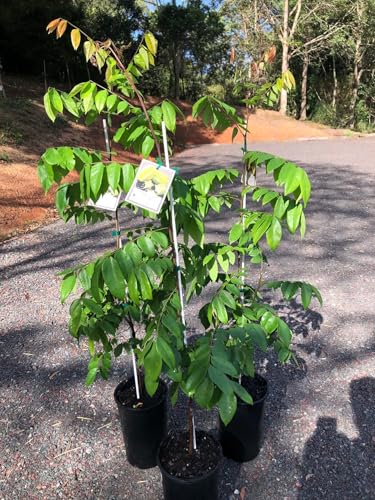
Starfruit Tree Live Carambola Tree You will receive the tree, no the fruit

Imagine stepping into your backyard and seeing a tropical tree that feels bright, fresh, and full of life. That is the experience a Star Fruit Tree (Averrhoa carambola) creates as it matures.
Optimal Location for Star Fruit Trees
When considering the growth of star fruit trees in Los Angeles, selecting the right location is crucial for their success. Factors such as sunlight exposure, soil quality, and protection from harsh winds play a significant role in ensuring these tropical trees thrive in the region’s unique climate. Understanding these elements will help you create an ideal environment for your star fruit trees.
Selecting the right location for your star fruit tree is crucial for its growth. A well-drained area with good sunlight exposure is ideal.
Follow these steps for site preparation:
Choose a Sunny Spot: Ensure at least six hours of sunlight.
Test Soil: Conduct a soil test to determine pH and nutrient levels.
Amend Soil: Add organic matter or compost to improve soil quality.
Soil Drainage and Preparation Techniques
Understanding soil drainage and preparation techniques is crucial for successfully growing star fruit trees in Los Angeles. The region’s unique climate and soil conditions require specific strategies to ensure optimal growth and fruit production. This section delves into essential practices that will help you create the ideal environment for your star fruit trees.
Drainage: Ensure the site has good drainage to prevent standing water.
Fertilization: Use a balanced fertilizer to support initial growth.
Mulching: Apply mulch to retain moisture and suppress weeds.
Star Fruit Tree Care Essentials
Caring for star fruit trees in Los Angeles requires specific knowledge to ensure their health and productivity. Understanding the unique climate and soil conditions of the area is crucial for successful cultivation. This section will cover essential care tips and practices tailored to the needs of star fruit trees in this region.
Once planted, star fruit trees require regular care to thrive. This includes watering, fertilizing, and pruning.
Key maintenance tasks include:
Watering: Water deeply but infrequently to encourage deep root growth.
Fertilizing: Use a balanced fertilizer every 6-8 weeks during the growing season.
Pruning: Trim dead or crowded branches to improve air circulation.
Recommended Products

FORMULATED FOR CITRUS AND FRUIT TREES: Use these citrus fertilizer spikes on apple, orange, lemon, lime, and avocado trees; this formula is also great for feeding palm trees

Natural and Organic Hand Crafted Blend

Made for Lemon & Citrus Trees – Formulated to support healthy growth in lemon and citrus plants.
Spring Fertilization and Pest Management
Spring is a crucial time for nurturing star fruit trees in Los Angeles, as proper fertilization and pest management can significantly enhance their growth and fruit production. Understanding the specific needs of these trees during this season will help ensure a healthy and fruitful harvest. Here are essential strategies for effective care in the spring months.
Spring: Fertilize and check for pests.
Summer: Monitor watering needs and protect from extreme heat.
Fall: Prepare for winter by mulching and checking for frost risks.
Pest and Disease Monitoring for Star Fruit Trees
Maintaining the health of star fruit trees in Los Angeles requires vigilant pest and disease monitoring. Given the region’s unique climate, understanding common threats and implementing proactive measures is essential for successful cultivation. This section delves into effective strategies for identifying and managing potential issues that could impact the vitality of your star fruit trees.
Star fruit trees can be susceptible to various pests and diseases. Regular monitoring can help catch issues early.
Common pests include:
Aphids: Can distort leaves and stunt growth.
Mealybugs: Often found on stems and leaves, they can weaken the tree.
Scale Insects: These can cause leaf drop and overall decline.
Implement integrated pest management strategies to control these threats effectively.
| Pest | Symptoms | Control Methods |
|---|---|---|
| Aphids | Distorted leaves | Insecticidal soap |
| Mealybugs | Sticky residue | Neem oil |
| Scale | Leaf drop | Horticultural oil |
Star Fruit Harvesting Techniques
Harvesting star fruit requires specific techniques to ensure optimal yield and fruit quality. In Los Angeles, where the climate can be favorable for these tropical trees, understanding the right timing and methods for harvesting is crucial. This section delves into effective strategies that can enhance your star fruit harvest and promote healthy tree growth.
Harvesting star fruit is a rewarding process. The fruit is typically ready to pick when it turns a bright yellow and has a slight softness.
Follow these steps for optimal harvesting:
Inspect Fruit: Look for a bright yellow color.
Gently Twist: Twist the fruit off the branch to avoid damage.
Store Properly: Keep harvested fruit in a cool, dry place.
Be mindful of the timing, as overripe fruit can drop prematurely.
Successful Star Fruit Cultivation Strategies
Growing star fruit trees in Los Angeles can be rewarding, but it requires specific strategies to ensure success. Understanding the local climate, soil conditions, and care techniques is essential for cultivating healthy trees that produce abundant fruit. This section explores effective methods to help you navigate the unique challenges of star fruit cultivation in this vibrant region.
Growing star fruit trees in Los Angeles can be a fruitful endeavor with the right care. Monitor local climate conditions and provide adequate protection during colder months.
Regular maintenance and pest management are essential for healthy trees. Enjoy the process and the eventual harvest of this unique fruit.
