

Have you ever wondered why your lemon tree seems to thrive but just won’t bear fruit? You’re not alone. Many gardeners face this frustrating issue, pouring time and care into their trees only to be met with disappointment.
Key Takeaways
- Pollination Importance: Lemon trees require adequate pollination from bees and other insects; consider hand-pollination if necessary.
- Sunlight Needs: Ensure your lemon tree receives at least 8-10 hours of direct sunlight daily for optimal fruit production.
- Temperature Management: Lemon trees thrive in temperatures between 70°F and 100°F; protect them from extreme temperature changes.
- Proper Watering: Maintain consistent moisture without overwatering; check soil moisture regularly to prevent root rot.
- Nutritional Care: Fertilize your lemon tree with balanced fertilizers to address nutrient deficiencies that can hinder fruit production.
- Pest and Disease Control: Regularly inspect for pests and diseases, and take timely action to maintain overall health and improve fruit yield.
Common Reasons Lemon Trees Don’t Produce Fruit
Lemon trees may thrive but still fail to bear fruit due to various factors. Understanding these common reasons can help you address the situation effectively.
Poor Pollination
Poor pollination often results in a lack of fruit on lemon trees. Lemon trees rely on bees and other pollinators to transfer pollen between flowers. If you notice a scarcity of these helpful insects, consider planting bee-friendly flowers nearby. Hand-pollination can also be an option; simply use a small paintbrush to transfer pollen from one bloom to another.
Insufficient Light
Insufficient light significantly impacts lemon tree fruit production. These trees thrive in full sunlight, needing at least 8-10 hours of direct sun daily. If your tree is in a shady spot, relocate it to a more illuminated area. Use reflective surfaces, such as white walls or fences, to maximize light exposure. Monitoring the tree’s light requirements and adjusting its location can promote healthy growth and fruit production.
Environmental Factors Affecting Fruit Production
Environmental factors play a crucial role in whether your lemon tree produces fruit. Temperature extremes and watering issues significantly impact fruiting potential.
Recommended Products

The Large plant cover is perfect for Plant size 55''-70"high and 84''-94" round, Heavy-weight FRCs (1.77oz./sq. yard): usually used to extend the growing season in spring and fall, allow 40%-60% light transmittance, and recommend 3°-8°F of freeze protection

The small plant cover is perfect for Plant size 16''-23"high and 36''-46" round, Heavy-weight FRCs (1.77oz./sq. yard): usually used to extend the growing season in spring and fall, allow 40%-60% light transmittance, and recommend 3°-8°F of freeze protection

The medium plant cover is perfect for Plant size 30''-39"high and 52''-62" round, Heavy-weight FRCs (1.77oz./sq. yard): usually used to extend the growing season in spring and fall, allow 40%-60% light transmittance, and recommend 3°-8°F of freeze protection
Temperature Extremes
Temperature fluctuations can affect your lemon tree’s health and fruit yield. Lemon trees thrive best in temperatures between 70°F and 100°F (21°C to 38°C). If temperatures drop below 50°F (10°C), the tree may struggle to produce fruit.
During hot spells, ensure your tree has adequate shade to prevent heat stress. Using mulch can help regulate soil temperature. If nighttime temperatures turn chilly, provide protection by covering your tree with cloth.
Watering Issues
Proper watering is essential for fruit production. Lemon trees require consistent moisture, but overwatering can lead to root rot. Ideal soil drains well while retaining some moisture.
Water deeply once a week during dry spells, ensuring the soil remains damp but not saturated. Use your finger to check the top inch of soil. If it feels dry, it’s time to water. Adjust your watering schedule based on rainfall and temperature changes to maintain optimal hydration.
Nutritional Needs of Lemon Trees
Lemon trees require specific nutrients for healthy growth and fruit production. Understanding their nutritional needs helps you provide the right care for optimal results.
Recommended Products

PREMIUM LEMON TREE FERTILIZER: Specially formulated liquid nutrient solution to support vigorous growth, abundant blooms and heavy fruit production for lemon tree. This fast-acting citrus fertilizer feeds roots with key nutrients, helping maintain lush green foliage and plump, juicy fruits in your home garden.

Balanced Organic Nutrition – Supplies a 6‑3‑3 NPK ratio along with calcium, sulfur, iron, and zinc to foster healthy foliage, flowering, and fruit.

🍋 EXPLOSIVE HARVEST: GardenWise ignites a remarkable yield boost. Its scientific blend, featuring 6% nitrogen for growth, 4% phosphorus for flowering, and 6% potassium for fruit quality, culminates in an abundance of flavorful, aromatic fruits. This is more than growth; it's a nutrient-powered revolution in your citrus yield.
Importance of Fertilization
Fertilization plays a key role in the overall health of your lemon tree. Regularly feeding your tree with balanced fertilizers helps support its growth, flowering, and fruiting stages. A slow-release fertilizer that contains nitrogen, phosphorus, and potassium works well. Apply fertilizer during the growing season, typically in early spring and again in late summer, following the package instructions for amounts. Consider using organic options like compost or well-rotted manure, which improve soil health while providing necessary nutrients.
Signs of Nutrient Deficiencies
You can easily identify a nutrient deficiency based on the appearance of your lemon tree. Common signs include:
- Yellowing Leaves: This often indicates a nitrogen deficiency. The older leaves usually yellow first, while new growth remains green.
- Stunted Growth: A lack of essential nutrients can lead to slowed growth or even leaf drop.
- Brown Leaf Edges: This may signal a potassium deficiency, affecting the tree’s ability to retain moisture.
- Poor Flower Development: Insufficient phosphorus can lead to sparse blooming, which directly impacts fruit yield.
If you notice any of these signs, consider applying the appropriate fertilizer or amendment to restore balance. Regular soil testing can also help you monitor nutrient levels and adjust your care accordingly.
Pest and Disease Considerations
Pests and diseases often disrupt the fruiting of lemon trees, leading to frustration for gardeners. Addressing these challenges can enhance production.
Recommended Products

READY-TO-USE CONTACT SPRAY: No mixing required. Thoroughly spray insecticide on all plant parts, including the underside of leaves. Pests must be sprayed directly to achieve control

Control diseases and insects in your garden with Captain Jack’s Fruit Tree Spray Concentrate! Use on a variety of listed fruits, nuts and citrus plants.
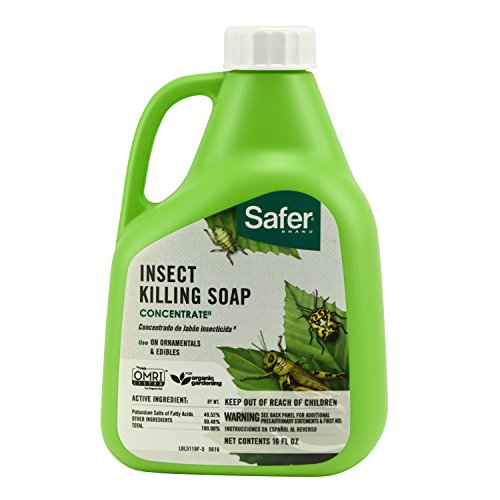
GENTLE ON MOST PLANTS - This aphid spray is ideal for use on flowers, herbs, vegetables, houseplants, lawn, tree, shrubs, and more
Common Pests Affecting Lemon Trees
- Aphids: These tiny pests suck sap from leaves, weakening the tree. Check for sticky residue or curled leaves. You can remove aphids with a strong water spray or insecticidal soap.
- Scale Insects: Scale appears as small, hard bumps on branches and leaves. These pests drain nutrients from the tree. Scrape them off with your fingernail or use neem oil for control.
- Spider Mites: Look for tiny webs or speckled leaves. Spider mites thrive in dry conditions. Increase humidity and apply miticides or insecticidal soap to combat them.
- Citricola Scale: This pest can cause yellowing leaves and fruit drop. Treat it with systemic insecticides to eliminate it effectively.
- Citrus Canker: This bacterial disease creates lesions on leaves and fruit. It can cause premature drop. Remove infected parts and apply copper fungicides to reduce its spread.
- Root Rot: Overwatering leads to root rot, significantly impacting overall health. Ensure drainage and let the topsoil dry between waterings to prevent this issue.
- Botrytis Blight: Usually seen after wet weather, this fungal disease causes fruit to rot. Improve air circulation and avoid overhead watering to minimize risk.
- Powdery Mildew: White powdery spots on leaves indicate this fungal disease. Treat it with sulfur-based fungicides or potassium bicarbonate.
Regularly inspecting your lemon tree for pests and diseases ensures healthy growth. Address issues promptly to promote successful fruit production.
Conclusion
Getting your lemon tree to produce fruit can be a bit tricky but it’s definitely possible. By paying attention to factors like pollination light exposure temperature watering and nutrition you can create the perfect environment for your tree. Don’t forget to keep an eye out for pests and diseases too since they can sneak up on you and impact fruiting.
With a little patience and care your lemon tree can thrive and reward you with delicious fruit. So keep nurturing it and soon enough you’ll be enjoying the fruits of your labor literally!
Frequently Asked Questions
Why aren’t my lemon trees producing fruit?
Lemon trees may fail to produce fruit due to poor pollination and insufficient sunlight. Ensure your trees receive at least 8-10 hours of direct sunlight daily and consider planting bee-friendly flowers or hand-pollinating to improve pollination.
How much sunlight do lemon trees need?
Lemon trees require a minimum of 8-10 hours of direct sunlight each day for optimal fruit production. If your tree isn’t getting enough light, consider relocating it to a sunnier spot or using reflective surfaces to enhance light exposure.
What temperature is best for lemon trees?
Lemon trees thrive in temperatures between 70°F and 100°F (21°C to 38°C). Temperatures below 50°F (10°C) can hinder fruit yield. Use shade and mulch during heat waves, and cover the tree during cold nights to protect it.
How often should I water my lemon trees?
Water lemon trees deeply once a week during dry spells, adjusting your schedule based on rainfall and temperature. Consistent moisture is vital, but avoid overwatering to prevent root rot.
What nutrients do lemon trees need?
Lemon trees benefit from balanced fertilizers containing nitrogen, phosphorus, and potassium during the growing season. Regular soil testing helps monitor nutrient levels and identify deficiencies indicated by yellowing leaves or stunted growth.
How can I prevent pests and diseases in lemon trees?
Regularly inspect lemon trees for pests like aphids and spider mites, and use treatments like water sprays or neem oil if needed. Monitor for diseases such as citrus canker and root rot, and treat them promptly to maintain tree health.
What should I do if my lemon tree has yellowing leaves?
Yellowing leaves may indicate nutrient deficiencies. Consider applying an appropriate fertilizer or soil amendment. Regular soil testing can help identify specific nutrient needs for healthy growth and fruit production.
