Close Menu
    Fruit Tree Hub
    • Home
    • Apple Trees
    • Lemon Trees
    • Mango Trees
    • Orange Trees
    • More Trees
      • Best Fruit Trees
      • Apricot Trees
      • Cherry Trees
      • Fig Trees
      • Lime Trees
      • Mulberry Trees
      • Peach Trees
      • Pear Trees
      • Plum Trees
      • Pomegranate Trees
    • Tips and Advice
      • Tools
    • About Us
      • Contact
      • Privacy Policy
    Fruit Tree Hub
    Home»Tips and Advice»How to Keep Birds Out of Your Fruit Trees for Maximum Harvest Protection and Success
    Tips and Advice

    How to Keep Birds Out of Your Fruit Trees for Maximum Harvest Protection and Success

    Martha JacksonBy Martha JacksonNovember 11, 20248 Mins Read
    Share Facebook Twitter Pinterest WhatsApp Email
    Share
    Facebook Twitter LinkedIn Pinterest Telegram Email

    Are you tired of watching your ripe fruit disappear before you even get a chance to enjoy it? If you’ve got fruit trees in your yard, you know how frustrating it can be to see birds swooping in for a feast. Those little creatures might be charming, but they can wreak havoc on your harvest.

    Contents show
    1 Key Takeaways
    2 Understanding The Problem
    2.1 Common Bird Species That Damage Fruit Trees
    2.2 The Impact Of Birds On Fruit Harvest
    3 Effective Methods To Deter Birds
    3.1 Physical Barriers
    3.2 Visual Deterrents
    3.3 Auditory Deterrents
    3.4 Chemical Repellents
    4 Best Practices For Protecting Your Fruit Trees
    4.1 Timing Of Implementing Deterrents
    4.2 Maintenance Of Deterrent Methods
    5 Alternative Solutions
    5.1 Companion Planting
    5.2 Creating Safe Zones For Birds
    6 Conclusion
    7 Frequently Asked Questions
    7.1 What common bird species damage fruit trees?
    7.2 How do birds affect fruit harvests?
    7.3 What are effective methods to deter birds?
    7.4 When should I implement bird deterrents?
    7.5 How can companion planting help protect fruit trees?
    7.6 What are some alternative solutions to keep birds away?

    Key Takeaways

    • Understand Bird Threats: Familiarize yourself with common bird species that damage fruit trees, including sparrows, starlings, robins, crows, and blue jays, to better prepare your defenses.
    • Implement Effective Deterrents: Utilize physical barriers (netting and row covers), visual deterrents (reflective materials and decoys), and auditory deterrents (wind chimes and ultrasonic devices) to keep birds away from your trees.
    • Timing Matters: Set up deterrents early in the growing season to prevent birds from discovering your ripening fruit, and monitor the activity levels regularly to adjust your strategies.
    • Maintain Deterrent Methods: Regularly check and maintain protective measures to ensure their effectiveness, and consider rotating different strategies to keep birds from acclimatizing to one method.
    • Explore Alternative Solutions: Use companion planting and create safe zones for birds to divert their attention, promoting a balanced ecosystem while preserving your fruit harvest.

    Understanding The Problem

    Protecting your fruit trees from birds requires a clear understanding of the factors at play. These charming creatures can pose a significant threat to your harvest, especially as fruits ripen.

    Common Bird Species That Damage Fruit Trees

    1. Sparrows: Sparrows often raid gardens for seeds and ripe fruits. They work in flocks, making them a considerable challenge.
    2. Starlings: These birds are notorious for stripping trees of fruit quickly as they search for nourishment.
    3. Robins: Robins love berries and can quickly devour entire crops if left unchecked.
    4. Crows: Crows are clever and can access many fruits, leading to substantial losses.
    5. Blue Jays: Blue Jays often target larger fruits and can become aggressive in defense of their feeding areas.
    MUST READ
    What Fruit Trees Grow Best in Dallas Texas for a Thriving Garden and Bountiful Harvest

    The Impact Of Birds On Fruit Harvest

    Birds can inflict serious damage by consuming ripe fruit or pecking at buds. A single sparrow can eat several berries per visit, leading to a noticeable drop in yield. For example, a single tree can lose up to 50% of its fruit production due to bird interference. This loss affects not only the quantity but also the quality of the fruit you’re trying to enjoy. Birds can introduce pests and diseases to your trees, compounding the problem and putting your overall harvest at risk.

    Effective Methods To Deter Birds

    Birds can ruin your fruit harvest. Implementing effective deterrents can protect your trees and maximize your yield.

    Recommended Products

    VITI Fruit Tree Netting for Cicadas - with 2Pcs 6Ftx5.3Ft Zipper&Drawstring Protection for Your Fruit Trees Garden Bird Netting Covers Blueberry Bush Tomato Bug Plant Protection Cherry Apple Tree
    VITI Fruit Tree Netting for Cicadas - with 2Pcs 6Ftx5.3Ft Zipper&Drawstring Protection for Your Fruit Trees Garden Bird Netting Covers Blueberry Bush Tomato Bug Plant Protection Cherry Apple Tree

    Convenient Zipper and Drawstring Design---Our Fruit Tree Netting for Cicadas has a user - friendly, durable zipper. It makes accessing fruit trees & blueberry bushes easy during trimming, watering, or harvesting. No more struggling with complex closures or removing the whole net. This is especially useful for cicada protection. The attached drawstring enhances functionality, allowing you to secure the net tightly around plants. This combo ensures easy handling & a snug fit, even in windy conditions, making plant maintenance stress - free.

    VIEW LATEST PRICE

    As an affiliate, we earn on qualifying purchases.

    Fruit Tree Netting with Zipper & Drawstring - 8'x8' Garden Plant Net Pest Barrier to Prevent Cicadas Bird Squirrel Deer - Bug Protection for Blueberry Tomato with Fine Mesh Insect Cover(2 Pack)
    Fruit Tree Netting with Zipper & Drawstring - 8'x8' Garden Plant Net Pest Barrier to Prevent Cicadas Bird Squirrel Deer - Bug Protection for Blueberry Tomato with Fine Mesh Insect Cover(2 Pack)

    Effective Fruit Tree Netting: Premium Garden netting creates a barrier to protect your fruit trees, blueberries, apples, tomatoes, and berries, ensure the health and abundance of your garden; Bugs, Insects, aphids, Cicadas, birds, chickens, and squirrels will stay away from your trees

    MUST READ
    How to Scare Squirrels Away from Fruit Trees: Effective Tips for Gardeners to Protect Their Harvests
    VIEW LATEST PRICE

    As an affiliate, we earn on qualifying purchases.

    Fruit Tree Netting for Cicadas - with Zipper 4Pcs 5 x 4FT Garden Bird Netting for Blueberry Bushes with Drawstring,Insect Plant Protection Mesh Net Bags for Tomato,Cicada,Animals (4, 4 x 5 FT)
    Fruit Tree Netting for Cicadas - with Zipper 4Pcs 5 x 4FT Garden Bird Netting for Blueberry Bushes with Drawstring,Insect Plant Protection Mesh Net Bags for Tomato,Cicada,Animals (4, 4 x 5 FT)

    【2024 New Drawstring and Zipper Design】: This convenient Fruit Tree Netting for Cicadas features an adjustable drawstring and zipper, providing ease of use. Simply place the netting over your plants, tighten the rope to securely safeguard them, and enjoy the simplicity of putting it on and taking it off. Additionally, our garden netting boasts a multi-functional zipper on the side, enabling you to effortlessly pick fruit without disturbing the protective barrier. This durable bird netting design ensures it can be used year after year, making it a valuable addition to your gardening tools.

    VIEW LATEST PRICE

    As an affiliate, we earn on qualifying purchases.

    Physical Barriers

    Using physical barriers is a straightforward way to keep birds away. Consider these options:

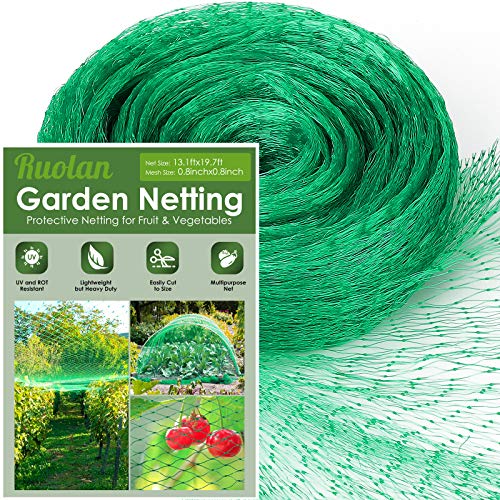
    • Netting: Place bird netting over your trees. Opt for a fine mesh to trap smaller birds while allowing sunlight and rain to reach the fruit.
    • Row Covers: Drape lightweight row covers over low-hanging branches. Secure all edges to prevent birds from sneaking underneath.
    • Scarecrow: Craft a scarecrow using old clothes and straw. Position it near your fruit trees, and change its appearance periodically to maintain its effectiveness.

    Visual Deterrents

    Visual deterrents disrupt birds’ comfort zones. Explore these visual options:

    • Reflective Materials: Hang reflective tape, old CDs, or aluminum foil strips around your trees. Their shiny surfaces can deter birds.
    • Decoys: Use realistic bird decoys of predators like hawks or owls. Place them in visible spots to ward off smaller birds.
    • Colorful Balloons: Use bright balloons with eyes or patterns. Tie them to branches to create movement that can frighten birds away.

    Auditory Deterrents

    Sound can effectively keep birds at bay. Try these auditory strategies:

    • Wind Chimes: Hang wind chimes near your trees. Their jingling noise can disturb birds as they approach.
    • Ultrasonic Devices: Install devices that emit high-frequency sounds unpleasant to birds. These sounds are often inaudible to humans.
    • Recorded Sounds: Use recordings of predator calls or distressed bird sounds. Play them intermittently near your trees.
    MUST READ
    What Is a Fruit Tree and How to Grow One in Your Garden for Delicious Harvests

    Chemical Repellents

    Chemical repellents offer a last resort for deterring birds. Consider these options carefully:

    • Non-Toxic Sprays: Apply non-toxic bird repellents on the fruit. These products create an unpleasant taste without harming the birds or fruit.
    • Capiscum-Based Solutions: Use sprays made from hot peppers. Birds are sensitive to capsaicin, the compound that makes peppers spicy.

    Implementing these methods can effectively deter birds from your fruit trees. Choose the options that best suit your garden and enjoy a fruitful harvest.

    Best Practices For Protecting Your Fruit Trees

    Protecting your fruit trees from birds requires timely and effective strategies. Implementing deterrent methods can significantly reduce losses.

    Recommended Products

    Garden Netting Mosquito Insect Birds Animals Barrier Protection Net Ultra Fine Garden Mesh Netting Plant Covers for Vegetable Plants Fruits Flowers Trees Greenhouse Row Cover(4×25 Ft)
    Garden Netting Mosquito Insect Birds Animals Barrier Protection Net Ultra Fine Garden Mesh Netting Plant Covers for Vegetable Plants Fruits Flowers Trees Greenhouse Row Cover(4×25 Ft)

    Ultra Fine Garden Mosquito Netting: Large size 4 x 25Ft(1.2×7.5m),Ultra fine mesh size 0.03×0.04 inches.The ingenious design not only keeps most insects,mosquitoes,birds and other small animals out of your plants,it also allows air,light and water to pass through to keep your plants healthy and nourished.

    VIEW LATEST PRICE

    As an affiliate, we earn on qualifying purchases.

    2PCS Large Fruit Tree Netting with Drawstring and Zipper, 8 * 8FT Garden Netting for Garden Protection, Insect Bird Netting for Fruit Trees, Protection from Anti Birds, Bugs,Cicadas, Insects
    2PCS Large Fruit Tree Netting with Drawstring and Zipper, 8 * 8FT Garden Netting for Garden Protection, Insect Bird Netting for Fruit Trees, Protection from Anti Birds, Bugs,Cicadas, Insects

    Garden Netting Bags For Garden Protection: You will receive 2pcs garden netting, size 8*8ft, perfect for various plants such as fruit trees, blueberry shrubs, large potted plants, flowers, etc. The large fruit tree netting bags effectively prevents insects and small animals such as cicadas, beetles, rabbits, birds from damaging your plants, ensuring safe growth and obtaining more harvest

    VIEW LATEST PRICE

    As an affiliate, we earn on qualifying purchases.

    12'x12' Large Fruit Tree Netting with Zipper - Protects Fruit from Squirrels, Birds & Pests, Heavy-Duty Tree Covers for Fruit Trees (White)
    12'x12' Large Fruit Tree Netting with Zipper - Protects Fruit from Squirrels, Birds & Pests, Heavy-Duty Tree Covers for Fruit Trees (White)

    Mother's Day Gift 【Extra-Large Coverage for Fruit Trees】Our 12x12ft fruit tree netting (unfolds to 60-inch diameter) easily covers large fruit trees, blueberry bushes, and shrubs—providing full protection without tedious adjustments. Perfect for safeguarding your entire harvest from pests.

    MUST READ
    How to Care for Fruit Trees in the Winter: Essential Tips for Healthy Growth in Spring
    VIEW LATEST PRICE

    As an affiliate, we earn on qualifying purchases.

    Timing Of Implementing Deterrents

    Implement deterrents early in the growing season. Set up protective measures before fruit begins to ripen. Birds tend to discover fruit when it’s still green, so starting early can prevent them from making your trees a target. Monitor your trees regularly and adjust your approach based on activity levels. If you notice birds starting to appear, increase your deterrent efforts immediately to safeguard your harvest.

    Maintenance Of Deterrent Methods

    Maintain deterrent methods for optimal effectiveness. Regularly check physical barriers like bird netting and row covers for tears or gaps. Replace or repair damaged sections promptly. Clean visual deterrents, such as reflective materials and predator decoys, to ensure they remain effective and appealing. Inspect auditory devices like wind chimes for functionality. Consistent upkeep enhances their ability to keep birds at bay. Consider rotating different strategies throughout the season to prevent birds from becoming accustomed to one particular method. This variation maintains their effectiveness and protects your fruit trees.

    Alternative Solutions

    To protect your fruit trees from birds, consider alternative methods that promote harmony in your garden while safeguarding your harvest.

    Companion Planting

    Companion planting involves growing specific plants alongside your fruit trees to naturally repel birds. Choose herbs such as basil and mint, as their strong scents deter these creatures. Marigolds can also keep birds at bay with their vibrant colors and fragrances. Additionally, you can plant sunflowers, which attract birds away from your fruit trees, providing them with a different food source. This technique fosters a diverse garden ecosystem, creating protective layers around your fruit trees.

    Creating Safe Zones For Birds

    Creating safe zones for birds encourages them to forage elsewhere, reducing their presence around your fruit trees. Set up bird feeders with seeds or suet in distant locations to draw birds away from your fruit. Consider incorporating small water sources, like bird baths, away from your crops. These safe zones provide nourishment and hydration while distracting birds from your fruit trees. Maintaining these areas also helps support local bird populations without sacrificing your harvest.

    MUST READ
    Do Wild Cherry Trees Bear Fruit and How to Maximize Your Harvest for Delicious Results

    Conclusion

    Protecting your fruit trees from birds doesn’t have to be a daunting task. By implementing a mix of physical barriers visual deterrents and auditory strategies you can create an effective defense system. Remember to start early in the season and stay vigilant with your monitoring.

    It’s also great to incorporate companion planting and create safe zones for birds to promote a balanced ecosystem in your garden. With a little effort and creativity you can enjoy a bountiful harvest while coexisting with our feathered friends. Happy gardening!

    Frequently Asked Questions

    What common bird species damage fruit trees?

    The most common bird species that damage fruit trees include sparrows, starlings, robins, crows, and blue jays. Each of these birds poses specific threats, consuming fruit and potentially leading to significant crop loss.

    How do birds affect fruit harvests?

    Birds can seriously impact fruit harvests. A single sparrow, for example, can eat several berries in one visit, resulting in a potential 50% reduction in fruit production. Additionally, they can introduce pests and diseases that harm the plants.

    What are effective methods to deter birds?

    To deter birds from fruit trees, you can use physical barriers like bird netting, visual deterrents such as reflective materials, and auditory strategies like wind chimes. Chemical repellents can also be a last resort, using non-toxic sprays to make fruit unappealing.

    When should I implement bird deterrents?

    It’s best to implement bird deterrents early in the growing season, before the fruit starts to ripen. This proactive approach helps prevent birds from targeting your trees and damaging your harvest.

    How can companion planting help protect fruit trees?

    Companion planting involves growing specific plants, like herbs and flowers, that either repel birds or attract them away from fruit trees. This method helps create a natural balance in the garden while safeguarding your harvest.

    What are some alternative solutions to keep birds away?

    You can create safe zones for birds by placing feeders and water sources away from fruit trees. This encourages them to forage elsewhere, thus reducing their presence around your harvest while supporting local bird populations.

    Share. Facebook Twitter Pinterest LinkedIn Tumblr Email
    martha jackson
    Martha Jackson

      Martha Jackson is an accomplished freelance writer and editor with a strong interest in gardening. With a degree in English from the University of California, Berkeley, Martha has over 15 years of experience writing for a variety of publications. She is passionate about making gardening accessible to all and is always seeking out new techniques and innovations.

      Related Posts

      How Long Until Avocado Trees Bear Fruit and Tips for Faster Growth at Home

      February 20, 2025

      What Yellow Fruit Grows on Trees and Their Delicious Health Benefits

      February 20, 2025

      How to Air Layer Fruit Trees: A Step-by-Step Guide for Successful Propagation

      February 20, 2025

      When Do Grapefruit Trees Produce Fruit and How to Maximize Your Harvest

      February 20, 2025

      What Is a Fast Growing Fruit Tree: Discover Quick-Yield Options for Your Garden

      February 20, 2025

      Do Cherry Blossom Trees Have Fruit? Discover the Truth About Their Edibility and Benefits

      February 20, 2025
      Leave A Reply Cancel Reply

      Affiliate Disclosure

      As an Amazon Associate I earn from qualifying purchases.

      Recommended Reading

      How to Grow a Fig Tree from Fruit: Step-by-Step Guide for Success in Your Garden

      What Type of Mulch Is Best for Fruit Trees to Boost Growth and Soil Health

      How to Grow Small Fruit Trees: Tips for Your Urban Garden and Tiny Spaces

      When Does an Avocado Tree Produce Fruit: Tips for Successful Growth and Optimal Yield

      How Long Until an Apple Tree Produces Fruit: Essential Tips for Timely Harvesting

      Does a Flowering Plum Tree Have Fruit and What You Need to Know About Its Varieties

      What Type of Soil Do Grapes Like? Cultivating Healthy Grapevines with the Right Soil Conditions

      Can Imidacloprid Be Used on Fruit Trees for Effective Pest Management and Safety Tips

      How to Repel Bats from Fruit Trees: Effective Strategies for Gardeners and Fruit Health

      How to Grow Star Fruit Tree: Essential Tips for Thriving Trees and Delicious Fruit

      Fruit Tree Hub

      Fruit Tree Hub is a website dedicated to providing you everything you need to grow fruit trees successfully at in your own yard.

      Contact us at: [email protected]

      - AFFILIATE DISCLOSURE: As an Amazon Associate I earn from qualifying purchases.

      Latest Posts

      Pear Trees in a Pot in Wisconsin: Northern Winter Care Manual

      Papaya Trees in a Pot in Idaho: Cold-Climate Success Strategies

      Growing Pomegranate Trees in Arkansas (Successful Growth Guide)

      Olive Trees in a Pot in Rhode Island (Coastal Success Manual)

      Can Jujube Trees Grow in Charlotte, NC? Piedmont Growth Tips

      Can Peach Trees Grow in a Pot in District of Columbia? Tips

      Nectarine Trees in a Pot in Wisconsin: Great Lakes Container Care

      Persimmon Trees in a Pot in Indianapolis, IN (Urban Garden Manual)

      Categories
      • Almond Trees
      • Apple Trees
      • Apricot Trees
      • Best Fruit Trees
      • Blackberry
      • Cantaloupe
      • Cherry Trees
      • Crochet Ideas
      • Crochet Ideas for Beginners
      • Cucamelon
      • Easy Crochet Ideas
      • Easy Knitting Projects
      • Fig Trees
      • Grapefruit Trees
      • Grapes
      • Guava Trees
      • Honeydew
      • Jujube Trees
      • Kiwi
      • Knitting For Beginners
      • Knitting Ideas
      • Knitting Inspiration
      • Lemon Trees
      • Lime Trees
      • Loquat Trees
      • Mango Trees
      • Mulberry Trees
      • Nectarine Trees
      • Olive Trees
      • Orange Trees
      • Papaya Trees
      • Peach Trees
      • Pear Trees
      • Persimmon Trees
      • Planting
      • Plum Trees
      • Pomegranate Trees
      • Quince Trees
      • Raspberry
      • Reviews
      • Small Crochet Ideas
      • Star Fruit Trees
      • Summer Crochet Ideas
      • Tamarind Trees
      • Tangerine Trees
      • Tips and Advice
      • Tools
      • Uncategorized
      • Walnut Trees
      © 2026 Fruit Tree Hub
      • Home
      • About Us
      • Contact
      • Privacy Policy
      • Terms and Conditions
      • Disclaimer
      • Editorial Policy
      • Affiliate Disclosure

      Type above and press Enter to search. Press Esc to cancel.