

Growing avocado trees in New Mexico’s high desert is achievable with the right techniques. Selecting the appropriate varieties and implementing effective care methods will enhance your chances of success in this challenging climate.
Best Avocado Varieties for New Mexico’s Climate
Choosing the right avocado variety is crucial for thriving in New Mexico’s unique climate. The state’s high desert conditions require varieties that can withstand temperature fluctuations and low humidity. The Hass avocado is a popular choice due to its adaptability and rich flavor. Other suitable options include the Bacon and Fuerte varieties, which also perform well in cooler temperatures.
| Variety | Cold Tolerance | Maturity Time | Flavor Profile |
|---|---|---|---|
| Hass | 25°F | 3-4 years | Creamy, rich |
| Bacon | 24°F | 3-4 years | Mild, buttery |
| Fuerte | 26°F | 2-3 years | Smooth, nutty |
Effective Site Preparation for Avocado Trees
Proper site preparation is essential for successful avocado tree growth. Select a location with well-draining soil and full sun exposure. Amend the soil with organic matter to improve drainage and nutrient content. Avoid low-lying areas where water may accumulate, as avocado trees are susceptible to root rot.
Soil pH and Nutrient Optimization
Understanding soil pH and nutrient levels is crucial for successfully growing avocado trees in New Mexico’s unique high desert environment. This section delves into the optimal soil conditions needed for healthy avocado growth, offering practical tips for testing and adjusting pH and nutrient content to ensure your trees thrive in challenging conditions.
Conduct a soil test to determine pH and nutrient levels. Avocados thrive in slightly acidic to neutral soil (pH 6-7). If necessary, amend the soil with:
Sulfur to lower pH
Lime to raise pH
Compost for added nutrients
Deep Watering Strategies for Avocado Trees
Successfully growing avocado trees in New Mexico’s high desert requires careful attention to watering practices. Deep watering strategies are essential to ensure these trees receive adequate moisture, particularly in the region’s arid climate. Implementing effective techniques can significantly enhance the health and productivity of your avocado trees.
Watering is critical for avocado tree health, especially in arid conditions. Establish a deep watering routine to encourage deep root growth. Use a drip irrigation system or soaker hoses to deliver consistent moisture without waterlogging the roots.
Recommended Products
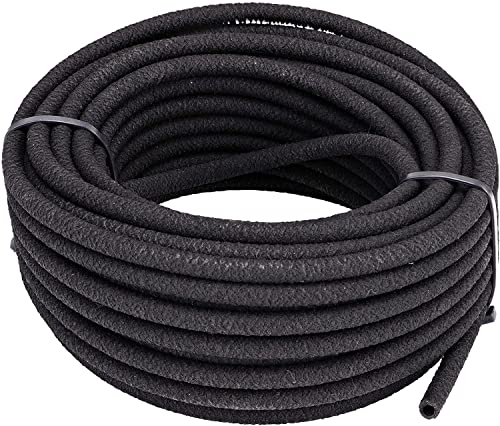
Slowly waters the soil around your plants for complete root zone hydration; Ideal for short runs on flat surfaces, such as vegetable gardens, borders, and around small plants

1/4 INCH IRRIGATION TUBING: Create a feeder line that supplies water to a low-flow, drip-watering device, or use as a main line in a small drip irrigation system; for trees, shrubs, flower beds, groundcover, vegetable gardens, and planters

【Even & Consistent Root Watering】Features micro-pore seepage technology that distributes water evenly along the entire hose, transforming spot watering into uniform line watering directly to plant roots. Unlike traditional drip irrigation systems with clog-prone emitters, this soaker hose creates a continuous moisture band for healthier, deeper-rooted plants
Irrigation Timing for Young Avocado Trees
Irrigation is crucial for the successful establishment of young avocado trees, especially in the challenging climate of New Mexico’s high desert. Proper timing and techniques can significantly enhance tree growth and fruit production, ensuring that these delicate plants receive the moisture they need during critical development stages. Understanding the right irrigation practices will set the foundation for thriving avocado trees in this unique environment.
Young trees: Water every 1-2 weeks during dry periods.
Mature trees: Water every 2-4 weeks, adjusting for rainfall.
Pest and Disease Management for Avocado Trees
Managing pests and diseases is crucial for the success of avocado trees in New Mexico’s unique high desert environment. This section will explore effective strategies and preventive measures to protect your trees from common threats, ensuring healthy growth and fruit production in challenging conditions. Understanding these management techniques will help you maintain robust avocado trees throughout their life cycle.
Pests and diseases can pose significant threats to avocado trees. Regular monitoring and preventive measures are essential. Common pests include the avocado thrips and leafcutter ants, while diseases like root rot can devastate trees.
Recommended Products

READY-TO-USE CONTACT SPRAY: No mixing required. Thoroughly spray insecticide on all plant parts, including the underside of leaves. Pests must be sprayed directly to achieve control
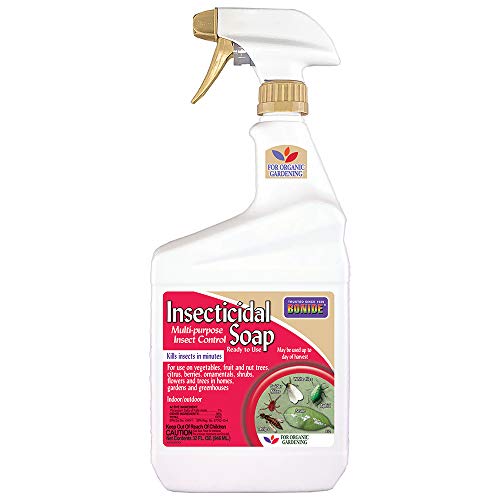
Captain Jack's Insecticidal Super Soap controls species of adelgid, ant, aphid, borer, caterpillar, spider mite, cricket, chinch bug, weevil, fly, thrip, and more

PEST DEFENSE - Insecticidal Super Soap controls species of adelgid, ant, aphid, borer, caterpillar, spider mite, cricket, chinch bug, weevil, fly, thrip, & more.
Thrips Control with Insecticidal Soap
Controlling thrips is crucial for the health of avocado trees, especially in New Mexico’s challenging high desert environment. Insecticidal soap offers an effective solution to manage these pests while minimizing harm to beneficial insects. Understanding how to properly apply this treatment can significantly enhance your avocado tree’s growth and yield.
Insecticidal soap for thrips
Physical barriers to deter ants
Fungicides for root rot prevention
Balanced Fertilizer Strategies for Avocado Trees
Fertilizing avocado trees in New Mexico’s high desert requires a careful approach to ensure healthy growth and fruit production. The unique soil and climate conditions necessitate a balanced fertilizer strategy that addresses nutrient needs while preventing over-fertilization. Understanding the specific requirements of avocado trees will help gardeners optimize their fertilization practices for successful cultivation.
Fertilization plays a vital role in promoting healthy avocado trees. Use a balanced fertilizer specifically formulated for fruit trees. Apply during the growing season to support leaf and fruit development.
Recommended Products

CITRUS PLANT FOOD: This avacado, mango and citrus fruit tree fertilizer feeds plants for up to 3 months and nourishes above and below the soil

🍋 Grows Delicious Fruits: With a balance of 6% nitrogen, 4% phosphorus and 6% potassium, Gardenwise’s 6-4-6 Citrus and Avocado Professional Fertilizer nourishes your indoor and outdoor trees with a high-quality blend of nutrients. You’ll love the incredible flavors!

CITRUS PLANT FOOD: This avacado, mango and citrus fruit tree fertilizer feeds plants for up to 3 months and nourishes above and below the soil
Spring Fertilization for Avocado Trees
Spring is a crucial time for avocado trees, especially in the unique climate of New Mexico’s high desert. Proper fertilization during this season can significantly enhance growth and fruit production. Understanding the specific nutrient needs of avocado trees will help ensure a successful and bountiful harvest.
Early spring: Apply a slow-release fertilizer.
Mid-summer: Side-dress with organic compost.
Frost Protection Strategies for Avocado Trees
In New Mexico’s high desert climate, protecting avocado trees from frost is crucial for successful growth. Understanding effective frost protection strategies can help ensure that these sensitive plants thrive despite the region’s temperature fluctuations. This section will explore practical methods to safeguard your avocado trees during the colder months.
New Mexico’s temperature fluctuations can be challenging for avocado trees. Monitoring local weather forecasts is essential, especially during late spring and early fall when frost is possible. Implement protective measures to safeguard young trees from frost damage.
Frost Protection Strategies for Avocado Trees
In New Mexico’s high desert, protecting avocado trees from frost is crucial for their survival and productivity. This section explores effective strategies to shield these sensitive plants from cold temperatures, ensuring they thrive in a challenging climate. Implementing the right techniques can significantly enhance your chances of a successful avocado harvest.
Row covers or frost cloths for young trees
Mulching around the base to retain soil warmth
Optimal Harvest Timing for New Mexico Avocados
Understanding the optimal harvest timing for avocado trees in New Mexico is crucial for achieving the best flavor and quality. Given the unique climate conditions of the high desert, knowing when to pick your avocados can significantly impact their taste and texture. This section will provide insights into the ideal harvesting period for avocados in this region.
Harvesting avocados at the right time ensures optimal flavor and texture. Avocados do not ripen on the tree; they ripen after being picked. Monitor the fruit’s size and color for readiness.
Avocado Harvesting Techniques for New Mexico
Harvesting avocados in New Mexico’s unique climate requires specific techniques to ensure optimal yield and fruit quality. Understanding the timing, tools, and methods suited for the high desert environment is crucial for successful cultivation. This section explores effective strategies tailored to the challenges and opportunities presented by New Mexico’s growing conditions.
Gently twist or cut the fruit from the stem.
Store unripe avocados at room temperature until they soften.
| Harvesting Stage | Indicators | Storage Tips |
|---|---|---|
| Mature | Size and color change | Room temperature |
| Ripe | Slight give when pressed | Refrigerate to slow ripening |
Avocado Tree Growth Problem Solutions
Growing avocado trees in New Mexico’s high desert can present unique challenges due to the region’s climate and soil conditions. Understanding common growth problems is essential for successful cultivation. This section provides practical solutions to help you address these issues and ensure your avocado trees thrive in this demanding environment.
Even with the best care, avocado trees may encounter growth issues. Identifying symptoms early can save your trees. Common problems include leaf drop, poor fruit set, and yellowing leaves.
Avocado Tree Growth Challenges in New Mexico
Growing avocado trees in New Mexico presents unique challenges due to the region’s high desert climate. Factors such as temperature extremes, soil conditions, and limited water availability can hinder successful cultivation. Understanding these obstacles is essential for anyone looking to thrive in avocado farming in this arid environment.
| Symptom | Primary Suspect | Difficulty Level |
|---|---|---|
| Leaf drop | Overwatering | 3 |
| Poor fruit set | Insufficient pollination | 4 |
| Yellowing leaves | Nutrient deficiency | 2 |
Regularly assess your trees and adjust care practices as needed. Early intervention can prevent more significant issues down the line.
