

Can pear trees grow in Georgia? This is a question that many gardeners in Georgia are asking, as they want to add a delicious and nutritious fruit to their garden. As the temperatures in Georgia can get quite high during the summer, it is important to know whether pear trees can survive the heat and humidity in this area of the country. In this article, we will discuss what type of pears can be grown in Georgia, as well as provide tips for successful cultivation. With the help of this article, readers will gain an understanding of how to grow pear trees successfully in Georgia and enjoy delicious pears from their own backyard!
Yes, pear trees can grow in Georgia. The state’s humid subtropical climate is ideal for pear tree growth, making it an excellent choice for gardeners and orchardists in the area.
What Kind of Climate Does a Pear Tree Need to Grow?
Pear trees require certain climatic conditions in order to grow and produce fruit. They need warm, sunny days and cool nights, as well as well-draining soil. Pear trees thrive in areas with mild winters, warm springs, and cool summers. They also require a minimum of six hours of sunlight per day in order to grow and produce fruit.
The ideal temperature range for growing pears is between 60℉ and 80℉ (15℃ and 27℃). Pears need winter chill in order to break dormancy. The amount of chill varies depending on the variety of pear tree. Some varieties require 500 hours of temperatures below 45℉ (7℃), while others may need up to 1000 hours.
Pears also need adequate rainfall throughout the year, especially during the growing season (spring through fall). The amount of rainfall needed depends on the variety of pear tree, but most varieties need at least 25 inches (63cm) per year.
Finally, pear trees need well-draining soil with a pH level between 6.0 and 7.0 to thrive. If the soil is too alkaline or acidic, it can have a negative effect on the tree’s growth and health.
What Are the Best Growing Conditions for Pear Trees?
Pear trees are a popular choice for home orchards, as they require minimal maintenance while providing delicious and nutritious fruit. However, in order to ensure your tree thrives, it’s important to be aware of the best growing conditions for pear trees. The key components to consider include soil, sun exposure, temperature and moisture.
Soil
Pear trees prefer well-draining soil that is slightly acidic with a pH level of between 5.5 and 6.5. If your soil is too alkaline, you can bring down the pH level by adding organic matter such as compost or mulch. Additionally, adding fertilizer can help to ensure that the soil provides enough nutrients for your tree to grow strong and healthy.
Sun Exposure
Pear trees need ample sunlight in order to produce fruit, so it’s important to find an area that receives at least 6-8 hours of direct sunlight each day. If possible, try to avoid planting in spots that are shaded by other trees or buildings – because even if the area gets plenty of daylight overall, this will prevent your pear tree from getting enough direct sunlight throughout the day.
Temperature
Most pear varieties are classified as cold hardy and can withstand temperatures down to -25°F (-32°C). However, during flowering season (generally in late winter or early spring), temperatures should remain above freezing in order for pollination and fruit set to occur successfully.
Moisture
Pear trees require consistent moisture throughout their life cycle in order to produce healthy fruit. During the growing season (spring through fall), be sure to water your tree regularly – ideally on a weekly basis – ensuring that its roots get enough water but not too much (which can lead to root rot). In winter months when there is less rainfall, you may need to water more often if there isn’t adequate snowfall on the ground to provide moisture for your tree.
How Much Sunlight Does a Pear Tree Need to Thrive?
Pear trees are one of the most popular fruit-bearing trees, and they need plenty of sunlight in order to thrive. When planting a pear tree, it’s important to choose a location that will provide the tree with at least six hours of direct sunlight each day. This is especially true in climates that have short days and long nights during the winter months. If your climate is milder or you live in an area where the temperature doesn’t drop too dramatically during the winter, then you may be able to get away with providing your pear tree with slightly less sunlight each day.
When choosing a location for your pear tree, it’s also important to consider how much space it will need for adequate growth. Pear trees can grow quite large and require ample space for their roots and branches to spread out. Ideally, you should allow for at least 8-10 feet of space between your pear tree and any surrounding structures or other trees. This will ensure that your tree has enough room to grow without becoming overcrowded or shaded by other plants or objects.
Once you have chosen a suitable location for your pear tree, it’s important to keep an eye on its progress throughout the growing season. While most fruit trees require some pruning in order to maintain their shape and size, this isn’t necessary when it comes to pear trees. Instead, simply monitor your tree’s health throughout the year and make sure that it is receiving enough sunlight by trimming away any dead or dying branches that may be blocking the light from reaching its leaves.
Providing your pear tree with ample amounts of direct sunlight is essential if you want it to thrive and produce lots of sweet, juicy pears each year. Make sure that you choose a location that receives at least six hours of direct sunlight each day and provide your tree with plenty of room for growth so that it can reach its full potential!
Soil Type for Growing Pear Trees in Georgia
Pear trees require fertile, well-drained soil that is slightly acidic. In Georgia, the best soil type for growing pear trees is loamy soil with a pH of 5.5 to 6.5 and organic matter content of more than 4%. Loamy soil is composed of clay, silt, and sand particles, which gives it great drainage and aeration properties. It also retains moisture better than sandy soils, allowing for more efficient water uptake by the roots of the pear tree. Adding compost or manure to loamy soil helps to enrich it with nutrients essential for the growth of pear trees. If the pH is too high or low, it can be adjusted with the addition of lime or sulfur respectively.
When planting a pear tree in Georgia, make sure to pick a sunny spot that will receive at least six hours of direct sunlight per day. The area should also be free from weeds as they can compete with the pear tree for nutrients and water. Additionally, make sure to give the tree enough space between itself and other nearby plants so that it receives adequate air circulation which will help reduce disease problems in the future.

Can Pear Trees Withstand the Heat and Humidity of Georgia Summers?
Pear trees are surprisingly resilient when it comes to withstanding the hot and humid conditions of Georgia summers. While many plants cannot tolerate the extreme temperatures and high humidity levels, pear trees have proven to be quite hardy in these conditions.
The first thing to consider is that pears are a temperate climate fruit tree, meaning they are used to experiencing hot summers. This means that when exposed to temperatures up to 90 degrees Fahrenheit, they should be able to survive with little or no problems.
When the humidity levels increase during summer months, pear trees can also handle this without any adverse effects. They are able to take in moisture from the air and use it for their growth and development, so they can tolerate higher levels of humidity than most other types of fruit trees.
In addition to being able to handle hot and humid conditions, pear trees also require very little maintenance during the summer months. Unlike other fruit trees, pears do not need pruning or spraying with insecticides as these activities can actually damage them in high temperatures.
Overall, pear trees are well suited for the hot and humid conditions of Georgia summers and can thrive with minimal care in these climates.
Recommended Products

Light: Thrives in full sun for best fruit production.

These are ready to plant and should be put in the ground according to the included instructions upon arrival. All pictures are of fully grown plants. Sizes shipped are in the title and description. Deciduous plants do not have leaves in the winter.
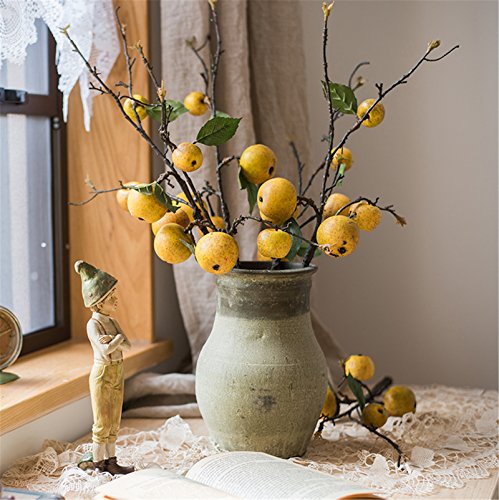
These Branches will never fade, and will bloom as vivid as the fresh ones
Are There Any Specific Varieties of Pears That Grow Well in Georgia?
Yes, there are several varieties of pears that grow well in Georgia. The most popular and versatile pears are the Bartlett, Bosc, and Anjou. These three varieties are widely available in supermarkets and farmers’ markets throughout the state. Bartlett pears have a sweet flavor and yellowish-green skin when ripe. Bosc pears are known for their crunchy texture and sweet flavor. Anjou pears are also sweet but slightly more tart than the other two varieties.
In addition to these three popular types of pears, some other varieties may also do well in Georgia’s climate. These include Kieffer, Comice, Concorde, Seckel, Forelle, Parkland, and Magness. All of these varieties have different flavor profiles and textures that make them unique from the more common types of pears found in grocery stores.
When selecting a variety of pear to grow in Georgia, it is important to consider the climate and soil conditions where the tree will be planted. Pears prefer well-draining soil with a pH level between 6.0-7.0. They also need plenty of sunlight to produce fruits with high sugar content and optimal flavor. Additionally, when planting a pear tree in Georgia it is important to choose a variety that is resistant to common pest infestations such as fire blight or coddling moth larvae since these can quickly reduce yields if left untreated.
Overall, there are many different kinds of pear trees that can thrive in Georgia’s climate conditions with proper care and maintenance; however, some may still be better suited for this region than others based on their adaptation to local weather patterns and soil composition. It is best to consult with an experienced horticulturist or agricultural specialist before selecting a specific type of pear tree for your garden or orchard in order to ensure successful fruit production year after year!
Recommended Products

Produces sweet, juicy pears that are perfect for eating fresh or cooking

Home Orchard in a Pot: Experience the joy of homegrown pears with the American Plant Exchange Bartlett Pear Trees. These live, semi-self-pollinating fruiting trees, standing 3-4 feet tall in a 5-gallon pot, bring the allure of a home orchard to your outdoor landscape.

Watering
Proper watering is essential for the health and growth of a pear tree in Georgia. Depending on the soil type, the pear tree may need to be watered two to three times per week. It is important to water deeply, saturating the soil around and beneath the tree’s root system. This encourages deep rooting and prevents drought stress. During hot and dry weather, supplemental irrigation may be necessary to ensure adequate moisture.
Fertilization
Pear trees should be fertilized in early spring before new growth begins. A slow-release fertilizer specific for fruit trees should be applied according to label directions. Reapply according to label directions once or twice during the growing season as needed. Avoid over-fertilizing as this can cause excessive vegetative growth, reducing fruit production.
Pruning
Pruning is an important part of pear tree maintenance in Georgia. Prune out dead or diseased branches anytime throughout the year as needed. However, most major pruning should be done during late winter or early spring before new growth begins. Prune out any branches that are crossing, rubbing against each other, or growing toward the center of the tree canopy. Additionally, thin out overly dense foliage to increase air circulation and light penetration.
Mulching
Mulching is beneficial for helping maintain moisture in soil and suppressing weeds around your pear tree in Georgia. Spread a 3-4 inch layer of organic mulch such as wood chips or shredded bark around the base of your tree but avoid piling it up against the trunk. This will help keep roots cool during hot summer months while keeping weeds away from delicate roots.
Disease and Pest Control
The best way to prevent disease and pest infestation on your pear tree is by providing proper care and maintaining a clean garden area free of debris that could harbor pests among other plants or structures close by your pear tree . Additionally, regular inspections of plants for signs of disease or pest infestation are recommended throughout the growing season along with timely application of fungicides if needed.

Recommended Products

Control diseases and insects in your garden with Captain Jack’s Fruit Tree Spray Concentrate! Use on a variety of listed fruits, nuts and citrus plants.
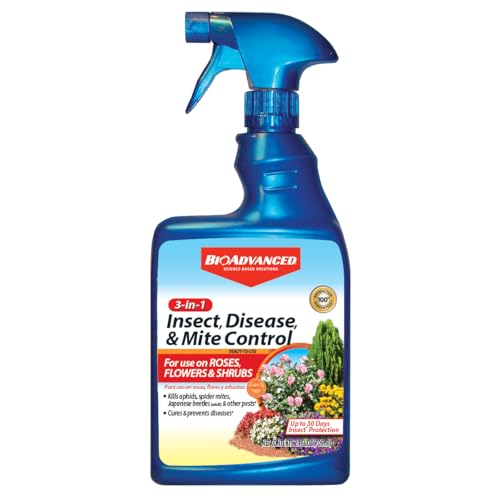
INSECT KILLER: Army worm killer. Also kills insects such as Aphids, Spider Mites, Japanese Beetles, Caterpillars, and other listed insects
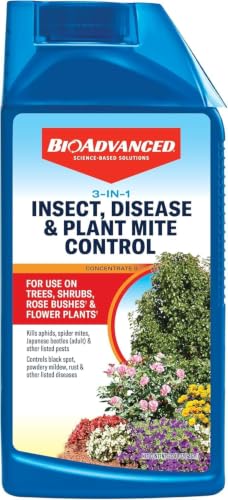
3-IN-1 PLANT CARE: 3-in-1 formula provides insect control, disease control, and mite control in one solution; Delivers protection for up to 14 days
Conclusion
Pear trees can grow in Georgia without much difficulty. The soil and climate conditions are conducive to their growth and development. Georgia is a great place to start your own pear orchard, as it is easy to find a spot that has the right conditions for success. Additionally, the state has a wide range of varieties of pears, so you can find the type that best suits your needs.
Pear trees need to be properly managed and maintained in order to produce fruit, so it is important to know what type of tree you are growing and the best practices for caring for it. This will ensure that your pear trees stay healthy and produce quality fruit each year.
Georgia is an excellent location for growing pear trees, as its soil and climate are perfect for this type of tree. With proper care and management, these trees can thrive in this state and provide you with delicious fruits for years to come.
In conclusion, pear trees can easily be grown in Georgia due its ideal climate and soil conditions. With the right care and maintenance, these trees can produce quality fruit year after year. If you are looking for a great place to start your own pear orchard then Georgia should be at the top of your list!
