

Fig trees can thrive in the District of Columbia with proper care and attention. Selecting the right variety and implementing urban gardening techniques are essential for successful growth in this climate.
Selecting Ideal Fig Tree Varieties for Urban Gardens
Selecting the appropriate fig tree variety is crucial for urban gardening success in the District of Columbia. Common varieties include ‘Brown Turkey’, ‘Celeste’, and ‘Chicago Hardy’. Each variety offers unique benefits, such as cold hardiness or fruit flavor. Consider your specific growing conditions, including sunlight and soil type, when making a selection.
| Variety | Cold Hardiness | Fruit Flavor | Growth Habit |
|---|---|---|---|
| Brown Turkey | Zone 6 | Sweet | Spreading |
| Celeste | Zone 6 | Rich, Sweet | Compact |
| Chicago Hardy | Zone 5 | Sweet, Mild | Upright |
Recommended Products

🦃 live Brown Turkey Fig tree 3 gallon is self-pollinating, comes with easy to use Fig food, and produces fresh Fig fruit every Year


What You Will Receive: You will receive 1 Live Olympian Fig Starter Plant, currently standing 5-9 inches tall. This vigorous, well-rooted sapling is shipped in its soil plug or grow pot (not bare root) to ensure maximum hydration and is ready to be potted up immediately upon arrival.
Urban Garden Preparation for Fig Trees
Creating an optimal garden space is vital for fig tree growth in an urban environment. Ensure the area receives at least six hours of sunlight daily. Improve soil drainage by mixing in compost or well-rotted manure. Consider using raised beds if soil quality is poor.
Optimal Soil Conditions for Fig Trees
Fig trees thrive in well-drained, nutrient-rich soil, making the right soil conditions crucial for successful growth in the District of Columbia. Understanding the specific soil requirements can help urban gardeners cultivate healthy fig trees, ensuring they flourish despite the challenges of city living. This section explores the optimal soil conditions necessary for these trees to thrive in an urban environment.
Fig trees prefer well-drained, loamy soil with a pH between 6.0 and 6.8. Conduct a soil test to determine nutrient levels and amend as necessary. Adding organic matter can enhance soil structure and fertility.
Container Fig Tree Care in Urban Spaces
Growing fig trees in urban environments like the District of Columbia presents unique challenges and opportunities. Container gardening offers a practical solution for city dwellers, allowing them to cultivate these fruitful trees in limited spaces. Understanding the specific care requirements for container fig trees can help ensure a thriving harvest amidst the urban landscape.
Container gardening is a practical solution for urban dwellers with limited space. Choose a large, sturdy pot with drainage holes.
Use a high-quality potting mix and ensure consistent watering. Container-grown fig trees may require more frequent feeding.
Fig Tree Watering and Fertilizing Strategies
Fig trees thrive in the District of Columbia’s unique climate, but proper care is essential for optimal growth. Understanding effective watering and fertilizing strategies can significantly enhance the health and yield of these trees. This section explores practical techniques tailored for urban gardeners looking to cultivate thriving fig trees in the city.
Proper watering and fertilizing are essential for fig tree health. Water deeply but infrequently to encourage deep root growth. During the growing season, apply a balanced fertilizer every four to six weeks.
Overwatering Symptoms in Fig Trees
Understanding the signs of overwatering is crucial for maintaining healthy fig trees, especially in the unique climate of the District of Columbia. Excess moisture can lead to a variety of issues that may hinder growth and fruit production. This section outlines the symptoms to watch for, ensuring your fig trees thrive in an urban environment.
Monitor your fig tree for signs of overwatering, such as yellowing leaves or root rot. Adjust your watering schedule accordingly to prevent these issues.
Fertilizer Choices for Fig Trees
When cultivating fig trees in the District of Columbia, selecting the right fertilizer is crucial for their growth and fruit production. The unique climate and soil conditions of the area require specific nutrients to ensure healthy development. This section explores the best fertilizer options tailored for fig trees thriving in urban environments.
Consider using slow-release fertilizers or organic options like fish emulsion. These provide essential nutrients without the risk of burning the roots.
Fig Tree Pruning Techniques for Urban Gardens
Pruning fig trees is essential for maintaining their health and productivity, especially in urban gardens like those found in the District of Columbia. Proper techniques can enhance fruit yield, shape the tree for limited spaces, and promote better air circulation. Understanding these methods will help urban gardeners cultivate thriving fig trees in their unique environments.
Regular pruning is necessary to maintain fig tree health and productivity. Focus on removing dead or overcrowded branches to improve air circulation. Prune in late winter or early spring before new growth begins.
Recommended Products

★ 1. What you get: Professional convenient grafting tool set including a dual-use grafting pruner tool contain 2 extra replaceable blades, a wrench and a screwdriver, along with 36pcs wide rubber bands, 150 thick rubber bands and 1 grafting tape, packed in a black wallet to meet all your needs

[Cut & Hold Pole Pruner for Tree Trimming] This long reach cut and hold pruner makes it easy to grip and remove branches, flowers, or fruit without dropping them. Perfect as a pole fruit picker for harvesting lemons, oranges, apples, or persimmons, and for trimming shrubs and bushes without climbing a ladder.
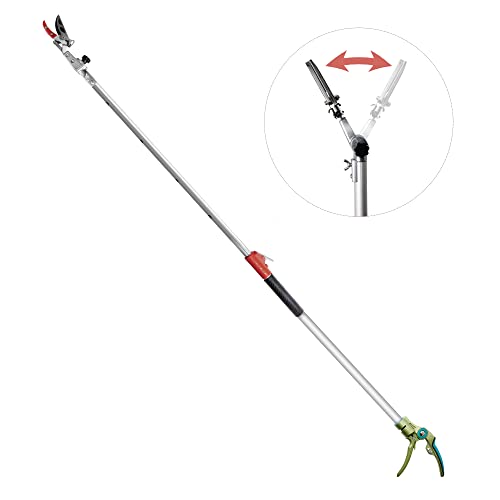
[Helpful Garden Tool] GARTOL brings to you a lightweight and extendable pruning tool to reach out to the least approachable arenas of your garden. You can conveniently get across other plants to remove the fastgrowing brambles and sting nettles without getting scratched or hurt. For gardening lovers, the telescopic pruner cutter head can can be rotated which resolves mobility issues and gives you the pleasure of trimming your garden without bending down or using a ladder to climb and cut them.
Pest Control Strategies for Fig Trees
Maintaining healthy fig trees in the District of Columbia requires effective pest control strategies tailored to urban environments. Given the unique challenges posed by city living, understanding common pests and their management can significantly enhance the growth and productivity of these trees. This section explores practical approaches to protect fig trees from pests while ensuring a thriving urban garden.
Keep an eye out for common pests such as aphids and spider mites. Use organic insecticidal soap for treatment. Fungal diseases can be managed by ensuring proper spacing and air circulation.
Winter Care Techniques for Fig Trees
In the District of Columbia, winter protection is crucial for fig trees. Wrap the trunk with burlap or use mulch to insulate the roots. If growing in a container, consider moving the tree indoors or to a sheltered location during extreme cold.
Fig Harvesting Techniques for Urban Gardens
Harvesting figs in urban gardens requires specific techniques to ensure a bountiful yield. In the District of Columbia, where space and climate can vary, understanding the best practices for picking and handling figs is essential. This section explores effective methods tailored to urban settings, helping gardeners maximize their fig production.
Figs are typically ready for harvest in late summer to early fall. Look for signs of ripeness, such as a slight softness and a change in color. Gently twist the fruit to detach it from the stem.
| Harvest Time | Ripeness Indicators | Best Uses |
|---|---|---|
| Late Summer | Softness, Color Change | Fresh Eating, Baking |
Fresh Fig Storage Techniques for Urban Gardens
Fresh figs are a delightful addition to urban gardens, but proper storage is essential to maintain their flavor and texture. Understanding effective storage techniques can help gardeners in the District of Columbia enjoy their harvest longer. This section explores practical methods to keep fresh figs at their best, ensuring a delicious experience from garden to table.
Store fresh figs in the refrigerator for up to a week. For longer storage, consider drying or freezing them. Dried figs make a nutritious snack and can be used in various recipes.
Fig Tree Growth Challenges in Urban Areas
Growing fig trees in urban areas like the District of Columbia presents unique challenges that can affect their health and productivity. Factors such as soil quality, limited space, and environmental stresses can hinder successful cultivation. Understanding these obstacles is essential for urban gardeners aiming to nurture thriving fig trees in a bustling city landscape.
Urban environments present unique challenges for growing fig trees. Limited space, soil quality, and pollution can impact growth. Implementing best practices can mitigate these issues.
Monitor your fig tree regularly for signs of stress or disease. Taking proactive measures will ensure a fruitful harvest.
