

Curious about planting raspberries next to blackberries in your garden? Picture this: you’re envisioning a fruitful harvest of juicy berries but wondering if these two popular fruits can thrive side by side. Imagine the convenience of having both sweet treats within arm’s reach, but are they compatible planting companions? In this article, we’ll explore whether you can plant raspberries next to blackberries and unlock the secrets to successful berry cultivation in your backyard.
You might be eager to maximize your garden space or simply love the idea of cultivating a diverse range of berries. By understanding the compatibility of raspberries and blackberries, you’ll gain insights into optimizing your garden layout for a bountiful yield. Stay tuned as we uncover the dos and don’ts of planting these delicious berries together, ensuring a harmonious coexistence that benefits both plants.
Key Takeaways
- Raspberries and blackberries, both members of the Rubus genus, can be planted next to each other in your garden for a bountiful yield.
- Understanding the similarities and differences between raspberries and blackberries is crucial for successful cultivation.
- Factors like soil quality, drainage, pH levels, and growth habits should be considered before planting these berries together.
- Benefits of planting raspberries next to blackberries include enhanced pollination efficiency and optimized space utilization in your garden.
- Potential drawbacks such as disease transmission risk and resource competition should be managed by maintaining proper spacing and monitoring plant health regularly.
- Gathering insights from case studies and expert opinions can provide valuable guidance on effectively cultivating raspberries alongside blackberries in your garden.
Understanding Berry Plants
When it comes to growing berries like raspberries and blackberries, understanding their basic characteristics is essential for successful cultivation. Here’s a breakdown of the fundamental aspects of these berry plants:
Raspberry and Blackberry Basics
Raspberries and blackberries are both members of the Rubus genus, commonly known as brambles. These perennial plants belong to the Rosaceae family and are prized for their delicious fruits.
- Raspberry Overview: Raspberries typically have a hollow core once picked, making them ideal for fillings or eating fresh. They come in various colors such as red, black, purple, or golden.
- Blackberry Overview: Blackberries are known for their solid core when harvested and can be enjoyed fresh or used in a wide range of culinary applications. They usually have a deep purple-black hue when ripe.
Similarities and Differences
While raspberries and blackberries share some similarities due to belonging to the same plant genus, they also exhibit distinct characteristics that set them apart:
- Similarities:
- Both raspberries and blackberries are rich in antioxidants, vitamins, and fiber.
- They thrive in similar growing conditions with well-drained soil and ample sunlight.
- Differences:
- Raspberries typically grow on canes that are biennial (live for two years), while blackberries grow on arching canes that often last longer.
- The fruit structure varies between the two; raspberries have a hollow core while blackberries have a solid core.
Understanding these nuances will help you create an optimal environment for your raspberry and blackberry plants to flourish side by side in your garden.
Factors to Consider Before Planting
When planting raspberries next to blackberries, there are essential factors you should consider to ensure the optimal growth of both berry plants.
Recommended Products

4pack Fiberglass Material Raspberry Cross Stake System with Adjustable Cross-bars, Height Adjustable
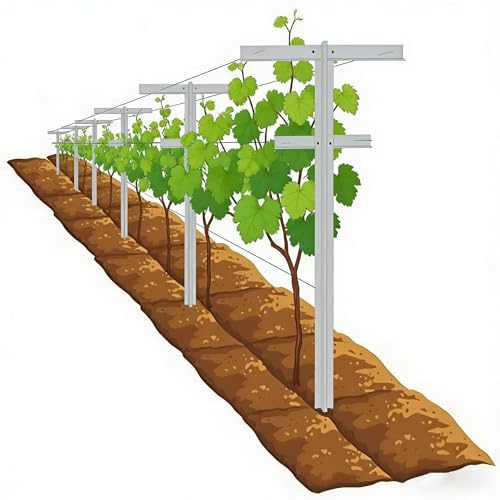
Fiberglass Material Raspberry Cross Stake System with Adjustable Arms
Fiberglass Material Raspberry Cross Stake System with 2 Cross-bars, Height Adjustable
Soil Requirements
For successful growth, raspberries and blackberries thrive in well-draining soil with a pH level between 5.5 and 6.5. It’s crucial to test your soil before planting to make necessary adjustments for the best results. Adding organic matter like compost can improve soil structure and fertility, providing a healthy environment for these berries to develop strong root systems.
Space and Growth Habits
Raspberries and blackberries have varying space requirements due to their growth habits. Raspberries are upright plants that benefit from support structures like trellises, while blackberries are sprawling bushes that may need more lateral space. When planning your garden layout, ensure an adequate distance between raspberry rows and blackberry bushes to prevent overcrowding and allow proper airflow for disease prevention. Proper spacing promotes sunlight exposure, essential for fruit production and overall plant health.
By considering these factors such as soil quality, drainage, pH levels, and growth habits when planting raspberries alongside blackberries, you’ll create an ideal environment for both plants to flourish harmoniously in your garden setting.
Benefits of Planting Raspberries Next to Blackberries
When considering the advantages of planting raspberries alongside blackberries in your garden, you’ll find that they offer mutual benefits that enhance each other’s growth and productivity. Let’s delve into how this companion planting strategy can benefit your berry patch.
Recommended Products
Fiberglass Material Raspberry Cross Stake System with 2 Adjustable Cross-bars

Fiberglass Material Raspberry Cross Stake System with Adjustable Arms
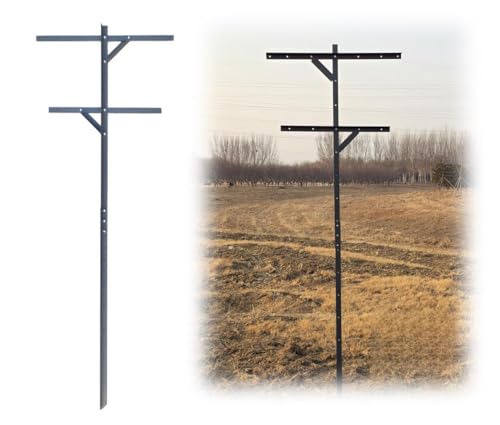
SEGMENTED INTERLOCKING DESIGN FOR UNSHAKABLE STABILITY:Engineered with a patentedsegmented and interlocking column system, this trellis locks into a rigid, unified structure after assembly. This innovative design eliminates wobbling and prevents tilting, providing unwavering support for heavy fruiting vines like dragon fruit and grapes, even in windy conditions.
Pollination Enhancement
By planting raspberries next to blackberries, you create a conducive environment for pollinators like bees to visit both types of plants efficiently. The close proximity allows for cross-pollination between raspberry and blackberry flowers, leading to increased fruit set and higher yields for both varieties. This natural pollination process helps improve the overall health and productivity of your berry plants.
Space Optimization
Optimizing space in your garden is crucial, especially when growing multiple types of berries. Planting raspberries next to blackberries maximizes the use of available space while ensuring efficient utilization of resources such as sunlight, water, and nutrients. By carefully planning the layout and spacing between these plants, you can create a harmonious arrangement that promotes healthy growth and easy maintenance.
By strategically placing raspberries near blackberries in your garden, you not only enhance pollination but also make efficient use of space, ultimately leading to thriving berry bushes with bountiful harvests.
Potential Drawbacks
When planting raspberries next to blackberries, there are some potential drawbacks to consider. Here are key factors you should be aware of:
Recommended Products


Disease Transmission
Planting raspberries and blackberries in close proximity can increase the risk of disease transmission between the two types of plants. Diseases such as fungal infections or bacterial pathogens that affect one berry variety can easily spread to the other when they are planted nearby. To mitigate this risk, ensure proper spacing between raspberry and blackberry bushes, and monitor them regularly for any signs of disease.
Competition for Resources
Raspberries and blackberries both require adequate sunlight, water, nutrients, and space to thrive. When planted too closely together, these berries may compete for essential resources, leading to stunted growth or reduced fruit production. To prevent resource competition, maintain sufficient distance between raspberry and blackberry plants based on their specific spacing requirements. Additionally, provide balanced fertilization and watering schedules to support healthy growth without compromising either plant’s development.
By being mindful of disease transmission risks and managing resource competition effectively, you can successfully cultivate raspberries next to blackberries while maximizing their benefits in your garden.
Case Studies and Expert Opinions
When considering planting raspberries next to blackberries, it’s essential to gather insights from case studies and expert opinions. These real-world experiences and professional views can provide valuable guidance on the successful cultivation of these berries together in a garden. Let’s delve into some key points highlighted by experts:
Cross-Pollination Benefits
Experts often emphasize the benefits of cross-pollination when planting raspberries and blackberries in close proximity. The exchange of pollen between these plants can enhance fruit production, leading to higher yields for both raspberry and blackberry bushes.
Disease Management Strategies
Experienced gardeners recommend implementing robust disease management strategies when growing raspberries alongside blackberries. This includes regular monitoring for common diseases that affect both types of berries and promptly addressing any signs of infection to prevent the spread of diseases within the garden.
Optimal Spacing Guidelines
Experts stress the importance of adhering to optimal spacing guidelines when planting raspberries next to blackberries. Proper spacing not only ensures adequate airflow between plants but also minimizes competition for sunlight, nutrients, and water, promoting healthy growth for both berry varieties.
Nutrient Requirements
Case studies highlight the significance of understanding the specific nutrient requirements of raspberries and blackberries when grown together. Experts advise on maintaining a balanced fertilization schedule tailored to meet the distinct needs of each berry type, ensuring optimal growth and fruit development.
By incorporating insights from case studies and expert opinions into your gardening practices, you can make informed decisions about planting raspberries next to blackberries while maximizing their potential benefits in your garden.
Conclusion
You now have a comprehensive understanding of the benefits and considerations when planting raspberries next to blackberries in your garden. Remember to prioritize proper spacing, disease management, and resource allocation for successful cultivation. By integrating insights from experts and real-world experiences, you can optimize cross-pollination benefits and ensure healthy growth for both berry varieties. Make informed decisions based on optimal spacing guidelines and nutrient requirements to enhance the potential advantages of growing these berries together. Happy gardening!
Frequently Asked Questions
Can raspberries and blackberries be planted together in a garden?
Yes, planting raspberries and blackberries together is beneficial as they share similar growing conditions and can benefit from cross-pollination.
What are the advantages of planting raspberries and blackberries together?
Planting these berries together can increase yield through cross-pollination, optimize space utilization, and create a visually appealing garden with varying fruit colors.
What are some considerations for planting raspberries and blackberries together?
Ensure proper soil drainage, provide adequate sunlight exposure, maintain optimal spacing between plants (3-4 feet), and install trellises or support structures for vertical growth.
Are there any potential drawbacks to planting raspberries and blackberries together?
Yes, risks include disease transmission between plants due to proximity, competition for resources like water and nutrients, and increased maintenance requirements for disease prevention.
How can I mitigate issues when planting raspberries and blackberries together?
Maintain proper plant spacing to improve air circulation, monitor plants regularly for signs of diseases like powdery mildew or cane blight, provide sufficient water during dry periods, and avoid over-fertilization.
Where can I find more information on successful cultivation practices for combined raspberry-blackberry gardens?
Consult case studies from experienced gardeners or seek advice from horticulture experts to gain insights on disease management strategies, optimal spacing guidelines, nutrient requirements, pruning techniques, and overall best practices.
