

Do you find your tangerine tree struggling to stand tall? Picture this: a gust of wind sways its branches, laden with ripe fruit, in a precarious dance. How can you ensure your tree stays upright and thriving?
In this article, you’ll discover simple yet effective techniques to properly tie up your tangerine tree. By learning the art of tree support, you’ll not only safeguard your tree from potential damage but also encourage healthier growth and bountiful harvests. Ready to give your tangerine tree the stability it needs to flourish? Let’s dive into the practical steps together.
Key Takeaways
- Select soft tree ties, scissors, stakes, a hammer, and optional soft padding for tying up a tangerine tree effectively.
- Prepare the tree by checking its health, selecting the right tying supplies, identifying the proper tying technique, creating adequate support, and securing the tree with care.
- Utilize techniques like loop and twist, figure-eight, spiral wrap, cross-lashing, and fan training for securing a tangerine tree based on its size and needs.
- Maintain tied tangerine trees by inspecting regularly, adjusting ties as needed, pruning carefully, monitoring weather conditions, and providing adequate nutrients.
Selecting the Right Supplies
To properly tie up your tangerine tree and provide the necessary support, you’ll need to gather the right supplies. Here’s a list of essential items you’ll need:
Recommended Products

Faster Installation Design: If you have a suitable Hex Socket Bit head to match it. Use any cordless drill or impact driver for high-torque driving, easily sinking stakes deep into every soil type. Deep anchoring prevents shifting or pull-out, slashing setup time and minimizing physical strain for landscaping and gardening work.

Complete 48 Pcs Stump Kit: the tree stake kits include 16 pieces of 11.8 inches metal stake, 16 pieces of 15.8 inches support straps, and 16 pieces of 13.12 ft strong rope, complete accessories of large quantity contain everything you need for tree supporting or straightening, so you don't have to buy any extra accessories

【Heavy-Duty Auger Steel Stakes – Superior Grip】Made from high-quality steel, these stakes are sturdy and durable—resistant to bending or breaking. The 9.8-inch length combined with an auger design allows for easy penetration into various soil types (lawns, gardens, sandy soil, even hard ground), providing exceptional anchoring force to keep trees stable against strong winds, heavy snow, and harsh weather.
1. Soft Tree Ties
Opt for soft tree ties that are gentle on the tree but strong enough to hold it securely in place. These ties should be flexible to accommodate the tree’s growth without causing damage.
2. Scissors or Pruners
Have a pair of scissors or pruners handy to cut the ties to the required length. This ensures a precise fit and prevents any excess material from interfering with the tree’s growth.
3. Stakes or Posts
Choose sturdy stakes or posts to provide additional support to your tangerine tree. These should be long enough to reach deep into the ground for stability.
4. Hammer or Mallet
A hammer or mallet will be necessary to drive the stakes or posts into the ground securely. This ensures that they remain in place and effectively support the tree.
5. Soft Padding (Optional)
Consider using soft padding between the tree ties and the tree trunk to prevent any friction damage. This extra layer of protection can be beneficial, especially for young or delicate trees.
By ensuring you have these supplies on hand, you’ll be well-equipped to tie up your tangerine tree effectively and provide it with the support it needs to grow strong and healthy.
Preparing the Tangerine Tree for Tying
To properly support your tangerine tree and ensure its health and growth, it’s essential to prepare it for tying. Here’s how you can do it effectively:
Checking the Tree’s Health
Begin by examining your tangerine tree for any signs of damage, disease, or weak branches. Trim off any dead or diseased branches using clean pruners to promote optimal growth.
Selecting the Right Tying Supplies
Make sure you have all the necessary supplies ready, such as soft tree ties, stakes or posts, a hammer or mallet, and optional soft padding for added protection. Ensure that the tree ties are gentle on the tree’s bark to prevent damage.
Identifying the Proper Tying Technique
Decide on the tying technique based on the tree’s size and structure. For younger trees, a figure-eight tie around the trunk and stake can provide ample support. Larger trees may require multiple ties to secure the branches to the stake firmly.
Creating Adequate Support
Drive the stake or post into the ground at a distance from the tree that allows for proper support without causing damage to the root system. Make sure the stake is tall enough to support the tree without leaning.
Securing the Tree with Care
Gently attach the tree ties to the trunk or branches, avoiding overtightening to prevent constriction as the tree grows. Monitor the ties regularly and adjust them as needed to maintain the tree’s stability.
By following these steps, you can adequately prepare your tangerine tree for tying, providing the necessary support for its healthy growth and development.
Techniques for Tying Up a Tangerine Tree
When it comes to tying up your tangerine tree, there are several techniques you can use to ensure its stability and growth. Here are some practical methods for securing your tangerine tree effectively:
Recommended Products

Perfect for Bad Weather: If you are searching for a tree stakes kit that can provide strong support to your young trees, you can never go wrong with our tree straps for staking, With a little care and attention, the tree straps will help you to grow beautiful, healthy trees
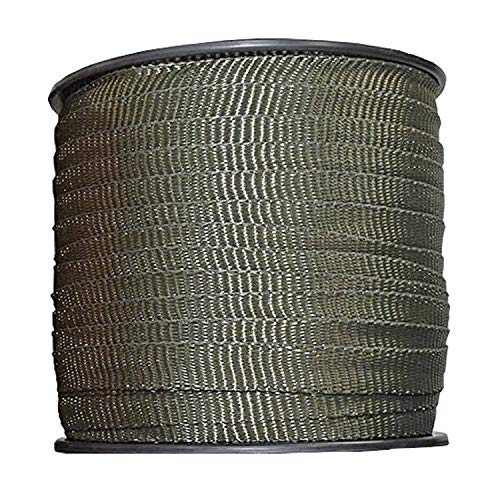
Plant & Tree Support. 5/8" Wide x 250 Ft Long. Ultra strong yet soft woven webbing ideal for plant, limb, branch and tree support. Strong enough to anchor large trees, yet flexible enough to use on young saplings and shrubs. This tree strap is excellent to prevent or repair tree damage caused by heavy snow or winds. Used for numerous horticultural, garden and landscape applications, simply cut to needed length. Natural olive color of the tree support strap blends into the environment.

Perfect for Bad Weather: If you're looking for a tree stakes kit that provides strong support to your young trees, our tree straps for staking are a great choice. With a little care, they help your trees grow strong and healthy
1. Loop and Twist Method
Begin by tying a soft material, like cloth or nylon, around the trunk of the tangerine tree. Make a loop with the material and twist it gently around a stake or post driven into the ground next to the tree. This method provides support without putting excessive pressure on the tree.
2. Figure-Eight Technique
For young tangerine trees or branches that need light support, consider using the figure-eight technique. Start by looping a flexible tie around the tree in a figure-eight pattern, crossing over itself to create a secure hold. Be cautious not to tie the tree too tightly, allowing room for natural growth.
3. The Spiral Wrap Method
Using a gentle touch, spiral wrapping involves encircling the tree with a flexible material, such as tree straps or soft wire. As you wrap the material around the tree and supporting stake, create a spiral pattern to distribute the pressure evenly. This technique is ideal for maintaining stability in windy conditions.
4. Cross-Lashing Approach
For more substantial support, the cross-lashing method is beneficial. Position two stakes in a crisscross pattern near the tree and then secure the tree to each stake with a durable tie. This technique provides robust reinforcement, ensuring the tangerine tree stays upright and secure.
5. Fan Training System
If you prefer a structured approach to tying up your tangerine tree, consider utilizing the fan training system. By spreading the branches in a fan shape and securing them to supporting stakes, you can encourage proper growth and fruit production. This method also aids in light distribution and air circulation for healthier foliage.
By incorporating these tying techniques into your tangerine tree care routine, you can promote healthy growth, prevent damage from harsh weather conditions, and set the stage for a bountiful harvest of delicious tangerines. Remember to regularly inspect the ties to adjust them as the tree grows and monitor the overall health of your tangerine tree for optimal results.
Maintaining Tied Tangerine Trees
To ensure your tangerine tree continues to thrive after being properly tied up, it’s important to follow some maintenance tips. Regular upkeep will support the tree’s growth and overall health, ultimately leading to a bountiful harvest of delicious tangerines.
Recommended Products

MADE FROM 65% RECYCLED PLASTIC - Reusable so you can reduce waste; supports the move toward a sustainable future whether using as indoor plant support, or replacing garden wire in the yard

MADE FROM 65% RECYCLED PLASTIC: Reusable so you can reduce waste; supports the move toward a sustainable future
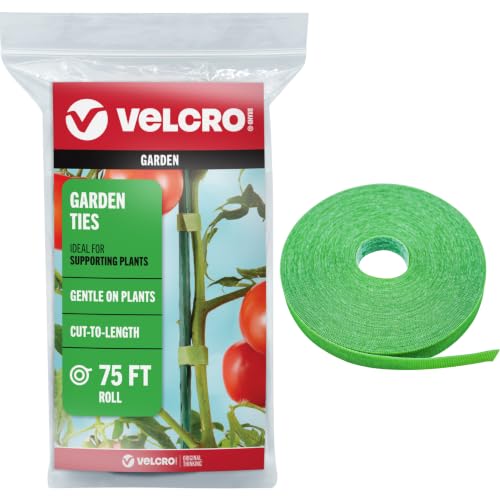
SECURE AND DURABLE: Strong Velcro Brand One-Wrap Garden Ties With Non-Slip Grip Keeps Flowers And Plants Staked, Supported, And Securely Bundled Together
Inspect Regularly
Check your tied tangerine tree frequently to ensure the ties are secure and not causing any damage to the tree. Look out for any signs of constriction or rubbing on the branches, as this can impede growth and lead to issues in the long run.
Adjust as Needed
As your tangerine tree grows, the ties may become too tight or loose. It’s essential to adjust the ties accordingly to accommodate the tree’s development. Loosen ties that are constricting the branches and tighten any that have become too loose to provide adequate support.
Prune Carefully
Pruning is an essential part of tangerine tree maintenance. Trim any damaged or dead branches to promote new growth and maintain the tree’s shape. Be cautious not to disturb the ties while pruning to avoid compromising the tree’s stability.
Monitor Weather Conditions
Keep an eye on the weather forecast, especially during windy or stormy periods. Strong winds can dislodge ties or even damage the tree. Consider reinforcing the ties or providing additional support to prevent any potential damage during inclement weather.
Provide Nutrients
Regularly fertilize your tangerine tree to ensure it receives essential nutrients for growth and fruit production. Nutrient deficiencies can weaken the tree, making it more susceptible to damage. Follow the recommended fertilization schedule for optimal results.
By following these maintenance tips, you’ll be able to support the growth of your tied tangerine tree effectively and enjoy a healthy and productive tree that yields delicious tangerines season after season.
Conclusion
Ensuring your tangerine tree is properly tied up is essential for its overall well-being and productivity. By regularly checking the ties, adjusting them as needed, and providing the necessary care, you can help your tree thrive and bear delicious tangerines. Remember, a well-supported tree is better equipped to withstand challenging weather conditions and continue to grow strong. Keep up with maintenance tasks to enjoy a bountiful harvest each season. Your efforts in tying up your tangerine tree will pay off in the form of healthy, vibrant fruit that you can savor and share with others. Happy gardening!
Frequently Asked Questions
Can you explain why supporting a tangerine tree is essential?
Supporting a tangerine tree is crucial to promote stability, growth, and protection from harsh weather, ensuring its health and productivity.
What are the key techniques for supporting a tangerine tree?
Proper tying techniques, regular inspection for secure ties, adjusting ties as the tree grows, cautious pruning, monitoring weather conditions, and providing necessary nutrients through fertilization.
How can I ensure the maintenance of a tangerine tree properly?
Regularly inspect ties, adjust them with the tree’s growth, prune carefully, monitor weather for storm support needs, and fertilize adequately for optimal growth and fruit production.
What are the benefits of maintaining a tangerine tree correctly?
Maintaining ties ensures stability, growth, protection, and nutrient supply, resulting in a healthy, productive tangerine tree that yields delicious fruits season after season.
