

Are your fruit trees not thriving like you’d hoped? You might be overlooking an important nutrient: potassium. Sulphate of potash is a fantastic way to boost your trees’ health and fruit production, but timing is everything.
Key Takeaways
- Sulphate of potash is essential for fruit tree health, enhancing fruit quality, drought resistance, and root development.
- Optimal application times include early spring, pre-flowering stages, and post-harvest to maximize nutrient absorption.
- Soil type and weather conditions significantly influence the effectiveness of sulphate of potash application; soil tests can guide application rates.
- Granular and liquid application methods each have specific best practices to ensure effective distribution of nutrients around fruit trees.
- Regular applications during the growing season are crucial for maintaining potassium levels and ensuring vigorous tree growth.
Understanding Sulphate of Potash
Sulphate of potash is a key nutrient source for fruit trees. This compound plays an essential role in enhancing tree health and fruit production.
What Is Sulphate of Potash?
Sulphate of potash, chemically known as potassium sulfate, consists of potassium and sulfur. It occurs naturally in mineral deposits and is often used as a fertilizer. This nutrient, which releases potassium and sulfate ions into the soil, supports various tree functions, including photosynthesis and water regulation.
- Enhances Fruit Quality: Sulphate of potash improves the taste, color, and size of fruit, contributing to higher market value.
- Strengthens Tree Health: It helps trees develop strong cell walls, increasing resistance to diseases and pests.
- Improves Drought Resistance: Enhanced potassium levels promote better water retention in the soil, allowing trees to withstand dry periods more effectively.
- Boosts Flower and Fruit Set: Adequate potassium intake promotes a more abundant flower and fruit set, leading to higher yields.
- Promotes Root Development: It supports robust root growth, which is crucial for nutrient uptake and overall tree stability.
Best Times to Apply Sulphate of Potash
Applying sulphate of potash at the right times maximizes its benefits for your fruit trees. Key periods include early spring, the pre-flowering stage, and post-harvest.
Early Spring Application
Apply sulphate of potash in early spring, just before new growth begins. This timing bolsters nutrient availability as trees awaken from dormancy. Use approximately 1 to 2 pounds per 100 square feet for best results. Incorporate it into the soil around the tree’s drip line to encourage root uptake.
Pre-Flowering Stage
Another ideal application occurs during the pre-flowering stage. About 2 to 4 weeks before blossoms appear, apply sulphate of potash to enhance flower and fruit development. A rate of 1 to 2 pounds per 100 square feet works well. This application supports nutrient absorption, ensuring healthy blooms and potential fruit set.
Post-Harvest Timing
Consider a post-harvest application after fruit has been harvested. This timing helps trees recover and builds resilience for the next growing season. Apply 1 pound per 100 square feet, focusing again around the drip line. This practice replenishes nutrients and supports root growth, setting the stage for a successful future crop.
Factors Influencing Application Timing
Timing affects the effectiveness of sulphate of potash application. Understanding specific factors can help you determine the best moments for application.
Soil Type Considerations
Soil type influences nutrient availability and retention. Sandy soils drain quickly but may require more frequent applications of sulphate of potash due to rapid leaching. In contrast, clay soils retain nutrients longer but can become compacted, which may hinder root absorption. Take soil tests to assess pH and nutrient levels, and adjust application rates accordingly. Generally, apply 1 to 2 pounds of sulphate of potash per 100 square feet for optimal nutrient uptake.
Weather Conditions
Weather plays a significant role in when to apply sulphate of potash. Apply it during dry spells, avoiding heavy rainfall, which can wash away nutrients before trees can absorb them. Monitor temperatures; applying in cooler weather encourages better nutrient uptake. Consider using mulch to regulate soil temperature and moisture levels, promoting more effective nutrient absorption. For best results, apply sulphate of potash during mild, dry conditions, especially during early spring and before flowering.
Application Methods
Applying sulphate of potash effectively ensures your fruit trees receive the necessary nutrients for optimal health and productivity. Two primary methods exist: granular application and liquid application.
Recommended Products

Supports Flowering, Fruiting & Plant Strength – Helps encourage bloom development, fruit quality, and overall plant resilience.
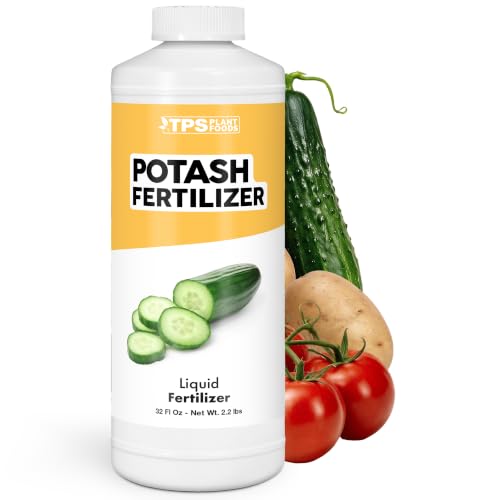
Supports Flowering, Fruiting & Plant Strength – Helps encourage bloom development, fruit quality, and overall plant resilience.
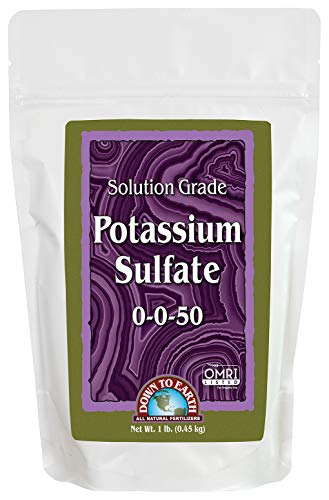
High Potassium Content (0-0-50): Delivers 50% soluble potash (K₂O) for improved flowering, fruiting, and overall plant health.
Granular Application
Granular application involves spreading dry sulphate of potash around the base of your fruit trees. For best results, follow these steps:
- Determine the Amount: Use 1 to 2 pounds of sulphate of potash per 100 square feet, depending on your soil conditions and tree age.
- Timing Matters: Apply during early spring or at the pre-flowering stage for maximum nutrient uptake.
- Spread Evenly: Distribute the granules evenly around the tree’s drip line, avoiding direct contact with the trunk.
- Water Well: After application, water the area thoroughly. This helps dissolve the granules, allowing the nutrients to permeate the soil.
Regular granular applications every growing season will maintain potassium levels, ensuring your trees thrive.
Liquid Application
Liquid application delivers a fast-acting boost of sulphate of potash directly to the tree. To execute this method effectively, follow these steps:
- Mix the Solution: Combine 1 to 2 tablespoons of sulphate of potash with one gallon of water. Stir until it dissolves completely.
- Choose the Right Time: Apply this solution 2 to 4 weeks before flowering for the best results.
- Use a Sprayer: Pour the mixture into a spray bottle or a watering can for easy application.
- Soak the Roots: Directly apply the liquid around the base of the tree while avoiding foliage to prevent leaf burn.
Consider repeating the liquid application mid-growing season, especially during dry spells, to support ongoing growth and fruit development.
Conclusion
Applying sulphate of potash at the right times can make a big difference in the health and productivity of your fruit trees. By targeting early spring pre-flowering and post-harvest periods you’ll help your trees thrive and produce delicious fruit.
Remember to consider your soil type and current weather conditions to maximize nutrient uptake. Regular applications can keep potassium levels balanced ensuring your trees stay strong and resilient. With a little attention to timing and method you’ll set your fruit trees up for a bountiful harvest season after season. Happy gardening!
Frequently Asked Questions
What is the importance of potassium for fruit trees?
Potassium is crucial for the health and fruit production of fruit trees. It supports vital functions such as photosynthesis, water regulation, and nutrient uptake. Adequate potassium enhances fruit quality, strengthens tree health, improves drought resistance, and promotes robust root development.
What is sulphate of potash?
Sulphate of potash, or potassium sulfate, is a natural nutrient source for plants, often used as a fertilizer. It provides a highly effective form of potassium that enhances tree vitality, fruit development, and overall health, ensuring trees can thrive.
When should I apply sulphate of potash to fruit trees?
The best times to apply sulphate of potash are early spring, pre-flowering (2 to 4 weeks before blossoms), and post-harvest. These timings maximize nutrient availability, support healthy blooms, and help trees recover for the next growing season.
How much sulphate of potash should I use?
Generally, apply 1 to 2 pounds of sulphate of potash per 100 square feet around the tree’s drip line during early spring and pre-flowering stages. After harvest, a post-harvest application of 1 pound per 100 square feet is recommended for optimal benefits.
What factors influence the timing of application?
Soil type and weather conditions significantly affect when to apply sulphate of potash. Sandy soils require more frequent applications due to leaching, while compacted clay soils may hinder absorption. Weather conditions, such as dry spells, can enhance nutrient uptake.
What are the application methods for sulphate of potash?
Sulphate of potash can be applied either granularly or in liquid form. For granular application, spread 1 to 2 pounds per 100 square feet around the base. For liquid, mix 1 to 2 tablespoons with a gallon of water and apply it 2 to 4 weeks before flowering.
Can I apply sulphate of potash during dry weather?
Yes, applying sulphate of potash during dry spells is ideal as it promotes better nutrient uptake. However, avoid application during heavy rainfall to prevent nutrient loss. Mulching can help regulate soil temperature and moisture for effective absorption.
