

Growing peach trees in Massachusetts is achievable with the right varieties and care strategies. Selecting cold-hardy cultivars and implementing proper pruning techniques will enhance fruit production and tree health.
Cold-Tolerant Peach Varieties for Massachusetts
When cultivating peach trees in Massachusetts, selecting the right cold-tolerant varieties is crucial for success. These specific types can withstand the region’s harsh winters while still producing delicious fruit. Understanding which varieties thrive in New England’s climate will help ensure a fruitful harvest for home gardeners and commercial growers alike.
Choosing the right peach variety is critical for success in Massachusetts. The state’s climate can be challenging, especially with late frosts and cold winters.
Opt for varieties known for their cold tolerance and shorter growing seasons. Recommended options include:
Reliance: A freestone peach that ripens in late summer.
Contender: Known for its disease resistance and cold hardiness.
Redhaven: A popular choice for its flavor and reliability.
These varieties are more likely to thrive and produce fruit in New England conditions.
Recommended Products

Container Size and Current Height: Ships in 1 gallon nursery pot with current tree height of 1-2 feet

Package Contents: Includes 2 trees in 1 gallon nursery pots, each measuring 1-2 feet in height at time of shipment

🍑 Grow Your Own Peach Tree: Lovell Peach Tree seeds offer gardeners the opportunity to grow a classic peach variety known for producing large, golden peaches with sweet, juicy flesh. These vigorous deciduous trees develop strong branches and a broad canopy as they mature. Gardeners enjoy the rewarding experience of growing a fruit tree from seed that eventually produces flavorful summer peaches.
Soil Preparation Techniques for Peach Trees
Preparing the right soil is crucial for successfully growing peach trees in Massachusetts. The unique climate and soil conditions of New England require specific techniques to ensure optimal growth and fruit production. Understanding how to amend and enrich the soil can significantly enhance the health and yield of your peach trees.
Proper soil preparation is essential for healthy peach trees. The soil should be well-draining and rich in organic matter. Follow these steps for optimal soil conditions:
Test Soil pH: Aim for a pH of 6.0 to 7.0.
Amend Soil: Add compost or well-rotted manure to improve fertility.
Ensure Drainage: If drainage is poor, consider planting in raised beds.
Soil Preparation for Peach Cultivation
Preparing the soil is a crucial step for successfully growing peach trees in Massachusetts. The right soil conditions can significantly influence tree health and fruit production, making it essential to understand local soil types and necessary amendments. This section will guide you through the best practices for soil preparation tailored to New England’s unique climate and conditions.
| Soil Component | Recommended Action | Purpose |
|---|---|---|
| pH Testing | Use a soil test kit | Determine acidity |
| Compost | Mix into soil | Add nutrients |
| Raised Beds | Construct if needed | Improve drainage |
Effective Pruning Methods for Peach Trees
Pruning is a crucial aspect of cultivating healthy peach trees, especially in Massachusetts’ unique climate. By employing effective pruning techniques, growers can enhance fruit production, improve air circulation, and maintain the overall health of their trees. Understanding the best practices for pruning will help ensure a successful peach harvest in New England.
Regular pruning is vital for maintaining tree shape and maximizing fruit yield. Focus on these key practices:
Timing: Prune in late winter or early spring before buds break.
Remove Dead Wood: Cut away any dead or diseased branches.
Thin Out Crowded Branches: Allow sunlight to penetrate the canopy.
This approach promotes better air circulation and reduces disease risk.
Pruning Techniques for Peach Trees
Pruning is a crucial aspect of maintaining healthy peach trees, especially in Massachusetts’ unique climate. Proper techniques not only enhance fruit production but also improve tree structure and resilience against diseases. Understanding the best practices for pruning can significantly impact the success of your peach-growing efforts in New England.
Use sharp, clean tools to prevent infection.
Aim for an open center to allow light penetration.
Remove suckers and water sprouts promptly.
Pest Control Strategies for Peach Trees
Effective pest control is essential for cultivating healthy peach trees in Massachusetts, where various pests can threaten fruit quality and tree vitality. Understanding the specific challenges faced in New England will help growers implement targeted strategies to protect their crops. This section explores proven methods and practices to manage pests effectively while promoting sustainable growth.
Peach trees are susceptible to various pests and diseases. Implementing a proactive management plan is crucial. Key strategies include:
Regular Inspections: Check for signs of pests like aphids or peach tree borers.
Fungicide Application: Use fungicides to combat diseases like peach leaf curl.
Encourage Beneficial Insects: Attract ladybugs and lacewings to control aphids naturally.
Recommended Products

3-IN-1 PLANT CARE: 3-In-1 Insect, Disease & Mite Control is insect control, disease control, and plant mite control all in on; Delivers protection for up to 14 days
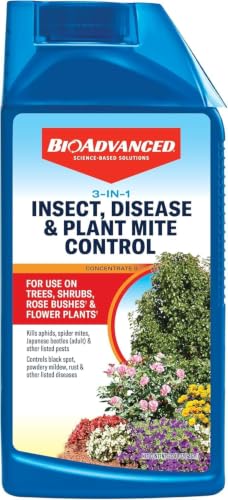
3-IN-1 PLANT CARE: 3-in-1 formula provides insect control, disease control, and mite control in one solution; Delivers protection for up to 14 days

TRIPLE PROTECTION FORMULA: 3-in-1 solution kills listed insects, controls listed diseases, and controls listed mites with one easy application
Peach Tree Pests and Disease Management
Managing pests and diseases is crucial for successful peach tree cultivation in Massachusetts. Understanding the common threats that can affect your trees will help you implement effective strategies to protect your crop. This section delves into the specific pests and diseases that peach trees may encounter, along with practical management techniques to ensure healthy growth.
| Pest/Disease | Symptoms | Control Methods |
|---|---|---|
| Aphids | Curling leaves | Insecticidal soap |
| Peach Tree Borer | Sawdust near trunk | Pheromone traps |
| Leaf Curl | Distorted leaves | Fungicides in early spring |
Optimal Peach Harvesting Techniques
Harvesting peaches at the right time and using the best techniques is crucial for maximizing yield and quality in Massachusetts. This section explores effective methods tailored to the region’s climate and conditions, ensuring that growers can enjoy a bountiful and delicious harvest. Understanding these practices will help both novice and experienced peach enthusiasts achieve success.
Harvesting peaches at the right time ensures optimal flavor and quality. Follow these guidelines for harvesting:
Check Ripeness: Peaches should be slightly soft and fragrant.
Use Care: Gently twist and lift to avoid bruising.
Store Properly: Keep at room temperature for a few days, then refrigerate.
Peach Storage Techniques for Massachusetts
Proper storage techniques are essential for maximizing the shelf life and flavor of peaches harvested in Massachusetts. Given the region’s unique climate and growing conditions, understanding how to store these fruits effectively can make a significant difference in quality and enjoyment. This section explores various methods tailored specifically for peach storage in New England.
Avoid stacking peaches to prevent bruising.
Use breathable containers for storage.
Consume within a week for best flavor.
Peach Tree Care Strategies for Massachusetts
Successfully growing peach trees in Massachusetts requires tailored care strategies that account for the region’s unique climate and soil conditions. From selecting the right varieties to implementing effective pruning and pest management techniques, understanding these essential practices will help ensure healthy growth and fruitful harvests in New England’s challenging environment.
Growing peaches in Massachusetts requires careful planning and management. Select the right varieties, prepare the soil, and maintain proper care through pruning and pest management. Regular monitoring will enhance your chances of a successful harvest.
Recommended Products

DUAL CUTTING POWER: VERSATILE PRUNING COMBO --- With both Pruning Shears and Pruning Snip, this combo delivers unmatched versatility. Whether you're delicately trimming flowers and shrubs, tackling thicker tree branches, or tending to your vegetable and fruit garden, our combo pack excels in all areas. They're also perfect for landscaping projects and maintaining the health and appearance of indoor plants. With this pack, you have a versatile tool that simplifies your gardening tasks.

· ULTRA-SHARP SK5 STAINLESS STEEL - Engineered with premium SK5 stainless steel, these heavy duty pruning shears deliver razor-sharp precision and maximum hardness. The rust-resistant blades are designed to stay sharp longer, effortlessly resisting corrosion and sap buildup for smooth, friction-free garden shears performance year after year.

ULTRA SHARP - Much less effort to cut branches with our pruning shears. Crafted from premium SK5 steel with titanium coating, our garden scissors and garden clippers boast exceptional durability and sharpness. A perfect pruning shears for gardening and a must-have garden tool, hedge clippers pruners for gardening
