

Imagine stepping into your backyard on a sunny morning, surrounded by flourishing fruit trees that thrive effortlessly in your region. Have you ever wondered which fruit trees are best suited for Zone 8 climates? Picture indulging in juicy peaches, crisp apples, or succulent pears grown right in your own garden.
In this article, you’ll discover the top fruit tree varieties perfectly tailored for Zone 8, ensuring a bountiful harvest year after year. Say goodbye to the uncertainty of choosing the right fruit trees for your specific climate and embrace a fruitful journey ahead. Get ready to transform your outdoor space into a fruitful oasis with these carefully selected recommendations.
Key Takeaways
- Zone 8 climates have hot summers and cool winters, making it ideal for fruit trees like peaches, apples, pears, plums, and cherries.
- Popular fruit tree varieties for Zone 8 include “Elberta” and “Redhaven” for peaches, “Gala,” “Fuji,” and “Granny Smith” for apples, “Bartlett” and “Anjou” for pears, “Santa Rosa” and “Burbank” for plums, and “Bing” and “Stella” for cherries.
- Benefits of growing fruit trees in Zone 8 include adaptability to the climate, diverse fruit options, increased garden variety, health benefits, cost-effectiveness, positive environmental impact, and promotion of sustainable practices.
- Maintenance tips for fruit trees in Zone 8 include regular pruning, adequate watering, following a fertilization schedule, pest and disease management, mulching, winter protection, and proper harvesting practices.
Understanding Zone 8 Climate
In Zone 8, you have a mild climate with hot summers and cool winters. This climate is ideal for a variety of fruit trees that can thrive in these conditions.
Recommended Products

Thrives in well-drained soil, ensuring optimal growth conditions and longevity.
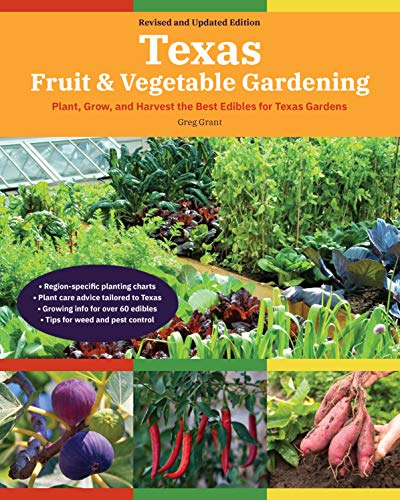

USDA Hardiness Zones: Typically Zones 5-9
Characteristics of Zone 8 Climate
Zone 8 typically experiences hot summers with temperatures ranging from 80°F to 100°F. Winters are relatively mild, with temperatures staying above 10°F. This climate provides a perfect balance for fruit trees that require a certain amount of chilling hours in winter to produce fruit while avoiding extreme cold that can damage delicate plants.
- Peach Trees
- Peach trees thrive in Zone 8 climates, requiring full sun and well-drained soil. Varieties like “Elberta” and “Redhaven” are popular choices known for their juicy, flavorful fruits.
- Apple Trees
- Apple trees are well-suited for Zone 8, preferring slightly acidic soil. Varieties such as “Gala,” “Fuji,” and “Granny Smith” do well in this climate, providing you with a range of flavors and uses.
- Pear Trees
- Pear trees are another excellent choice for Zone 8 gardens. They prefer fertile, well-drained soil and full sun. Varieties like “Bartlett” and “Anjou” are well-loved for their sweet, succulent fruits.
- Plum Trees
- Plum trees also thrive in Zone 8, needing good air circulation and consistent moisture. Varieties such as “Santa Rosa” and “Burbank” offer delicious plums for fresh eating or preserves.
- Cherry Trees
- Cherry trees can also be grown in Zone 8, with varieties like “Bing” and “Stella” being popular choices. They need well-drained soil and regular watering to produce an abundance of juicy cherries.
By selecting the right fruit trees for your Zone 8 climate and providing them with proper care, you can look forward to a bountiful harvest of tasty fruits from your own backyard orchard.
Benefits of Growing Fruit Trees in Zone 8
When cultivating fruit trees in Zone 8, the following perks make it a rewarding endeavor:
1. Adaptability
Fruit trees like peaches, apples, pears, plums, and cherries thrive in the Zone 8 climate, known for its hot summers and mild winters. This zone offers favorable conditions for the growth of a wide variety of fruit trees.
2. Extended Growing Season
In Zone 8, the longer growing season compared to cooler zones allows fruit trees to flourish and produce abundant yields of delicious fruits. This extended timeframe provides ample opportunity for your trees to mature and bear fruit.
3. Diverse Fruit Options
Zone 8 enables you to grow a diverse range of fruits, including peaches, apples, pears, plums, and cherries. With careful selection and proper care, you can enjoy a bountiful harvest of different fruits from your orchard.
4. Increased Garden Variety
By incorporating a variety of fruit trees, you can enhance the biodiversity of your garden in Zone 8. Different trees bring unique aesthetics, growth patterns, and fruiting seasons, creating a visually appealing and engaging landscape.
5. Health Benefits
Growing fruit trees in Zone 8 not only offers the satisfaction of harvesting your fruits but also provides access to fresh, organic produce rich in nutrients. Enjoy the health benefits of consuming fruits straight from your garden.
6. Cost-Effective
Establishing fruit trees in your Zone 8 garden can be a cost-effective way to enjoy a fresh supply of fruits. Over time, the initial investment in trees and maintenance can result in significant savings compared to purchasing fruits regularly.
7. Environmental Impact
Having fruit trees in your garden contributes positively to the environment. They help with oxygen production, carbon dioxide absorption, and provide habitats for beneficial insects, supporting overall biodiversity.
8. Sustainable Practices
Embracing fruit tree cultivation promotes sustainable gardening practices in Zone 8. By growing your fruits, you reduce reliance on store-bought produce that may involve long transportation routes and excess packaging.
Top Recommendations for Fruit Trees in Zone 8
When choosing fruit trees for Zone 8, it’s essential to consider those that thrive in the specific climate conditions of hot summers and mild winters. Here are your top recommendations for fruit trees that are well-suited to Zone 8:
1. Peach Trees
Peach trees are excellent choices for Zone 8 due to their love for the sun and warmth. Varieties such as Redhaven and Elberta are popular for their delicious, juicy fruits that ripen in the summer, providing a sweet treat for your taste buds.
2. Apple Trees
Apple trees are versatile and can flourish in Zone 8 with proper care. Consider planting varieties like Gala, Fuji, or Granny Smith for a range of flavors and culinary uses. Apples are known for their crisp texture and can be harvested in late summer to early fall.
3. Pear Trees
Pear trees are another great option for Zone 8, offering a unique sweetness and a variety of shapes and colors. Bartlett and Anjou pears are well-suited to this zone and can be harvested in late summer to early fall, adding a touch of elegance to your garden.
4. Plum Trees
Plum trees thrive in Zone 8, producing abundant fruit with minimal maintenance. Look for varieties like Santa Rosa or Methley for their flavorful fruits that ripen in the mid to late summer, perfect for fresh eating or making preserves.
5. Cherry Trees
Cherry trees are a lovely addition to any Zone 8 garden, providing beautiful blossoms in the spring and delicious fruits in the summer. Consider planting varieties such as Bing or Rainier for their sweet and tart flavors that are ideal for fresh eating or baking.
Maintenance Tips for Fruit Trees in Zone 8
Caring for your fruit trees in Zone 8 ensures healthy growth and bountiful harvests. Follow these maintenance tips to nurture your peach, apple, pear, plum, and cherry trees throughout the seasons.
Regular Pruning
Trim your fruit trees annually to maintain shape, improve sunlight exposure, and encourage fruit production. Prune during the dormant season to remove dead wood, open up the canopy, and stimulate new growth.
Adequate Watering
Give your fruit trees a deep watering at least once a week, especially during dry spells. Ensure the soil drains well to prevent waterlogging, which can harm the roots. A drip irrigation system is an efficient way to deliver water directly to the roots.
Fertilization Schedule
Feed your fruit trees with a balanced fertilizer in early spring before new growth begins. Follow the manufacturer’s instructions for application rates based on tree size. Consider soil testing to determine specific nutrient needs for optimal growth.
Pest and Disease Management
Monitor your fruit trees regularly for signs of pests and diseases. Early detection is key to preventing infestations. Use organic or chemical treatments as necessary, following guidelines to protect your trees and the surrounding environment.
Mulching
Mulch around the base of your fruit trees to conserve moisture, regulate soil temperature, and suppress weed growth. Apply a layer of organic mulch, such as wood chips or straw, to a depth of 2-4 inches, keeping it away from the tree trunk to prevent rot.
Winter Protection
Prepare your fruit trees for winter by wrapping the trunks with tree guards to prevent damage from frost and pests. Consider using horticultural fleece or burlap to shield young trees from harsh weather conditions.
Harvesting Practices
Pick fruits gently to avoid damaging the tree limbs and store them properly to prolong freshness. Refer to specific harvesting guidelines for each fruit variety to ensure peak flavor and quality.
Conclusion
You now have a solid understanding of the best fruit trees for Zone 8. By choosing varieties like peaches, apples, pears, plums, and cherries, you can enjoy a diverse orchard that thrives in this climate. Remember to follow the maintenance tips mentioned to ensure your fruit trees stay healthy and productive. With proper care, you’ll be rewarded with delicious fruits year after year. Happy gardening in Zone 8!
Frequently Asked Questions
Which fruit trees are recommended for growing in Zone 8?
Popular fruit trees like peaches, apples, pears, plums, and cherries are well-suited for Zone 8 due to their adaptability to the climate.
What are some maintenance tips for fruit trees in Zone 8?
Regular pruning, adequate watering, following fertilization schedules, managing pests and diseases, mulching, providing winter protection, and practicing proper harvesting techniques are essential for healthy growth in Zone 8.
How can growing fruit trees benefit Zone 8 gardens?
Growing fruit trees in Zone 8 promotes biodiversity, cost savings, and ensures a bountiful harvest of fresh fruits tailored to the local climate, enhancing the overall garden ecosystem.
