
Close Menu
    Fruit Tree Hub
    • Home
    • Apple Trees
    • Lemon Trees
    • Mango Trees
    • Orange Trees
    • More Trees
      • Best Fruit Trees
      • Apricot Trees
      • Cherry Trees
      • Fig Trees
      • Lime Trees
      • Mulberry Trees
      • Peach Trees
      • Pear Trees
      • Plum Trees
      • Pomegranate Trees
    • Tips and Advice
      • Tools
    • About Us
      • Contact
      • Privacy Policy
    Fruit Tree Hub
    Home»Climbing Fruit»Raspberry»Are Raspberries Easy to Grow? Discover Tips for a Bountiful Harvest
    Raspberry

    Are Raspberries Easy to Grow? Discover Tips for a Bountiful Harvest

    Lucy SmithBy Lucy SmithSeptember 3, 20247 Mins Read
    Share Facebook Twitter Pinterest WhatsApp Email
    Share
    Facebook Twitter LinkedIn Pinterest Telegram Email

    Have you ever wondered if growing your own raspberries is as easy as it seems? Picture this: You step into your backyard on a sunny morning, pluck fresh raspberries off the vine, and savor their juicy sweetness. Sounds delightful, doesn’t it? In this article, we’ll explore just how simple it can be to cultivate these delicious berries right at home.

    Contents show
    1 Key Takeaways
    2 Understanding Raspberry Plant Characteristics
    2.1 Climate Needs
    2.2 Soil Preferences
    3 Key Factors in Growing Raspberries
    3.1 Sunlight and Watering Requirements
    3.2 Pruning and Maintenance
    4 Common Challenges in Raspberry Cultivation
    4.1 Pest and Disease Management
    4.2 Weather Impacts
    5 Tips for Successful Raspberry Growth
    5.1 Best Varieties for Beginners
    5.2 Organic Growing Techniques
    6 Conclusion
    7 Frequently Asked Questions
    7.1 Can I grow raspberries at home?
    7.2 What are some beginner-friendly raspberry varieties?
    7.3 How can I promote sustainability while growing raspberries?
    7.4 What are common challenges when growing raspberries?
    7.5 How can I ensure a bountiful raspberry harvest?

    Imagine saying goodbye to store-bought raspberries with unknown origins and pesticides. By learning the basics of raspberry cultivation, you can enjoy a bountiful harvest of these delectable fruits in your own garden. Whether you’re a novice gardener or have some experience with growing plants, discovering the ease of cultivating raspberries might surprise you.

    Get ready to uncover the secrets to successfully growing raspberries in your backyard. With a few essential tips and tricks up your sleeve, you’ll soon be on your way to enjoying an abundance of fresh, homegrown raspberries that you can proudly share with family and friends.

    Key Takeaways

    • Climate and Soil: Raspberries thrive in temperate climates with full sun exposure and well-draining, fertile soil.
    • Sunlight and Watering: Plant raspberries where they get 6-8 hours of sunlight daily, and maintain consistent moisture levels to support growth.
    • Pruning and Maintenance: Proper pruning encourages new growth; regular maintenance tasks like mulching and providing support are essential.
    • Pest and Disease Management: Be prepared to deal with common pests like aphids and diseases such as powdery mildew by using natural predators or organic remedies.
    • Varieties for Beginners: Consider beginner-friendly varieties like Heritage, Autumn Bliss, or Caroline for a successful raspberry harvest.
    • Organic Growing Techniques: Encourage natural pest control methods, enrich the soil with compost, mulch for moisture retention, and avoid chemical fertilizers for sustainable raspberry cultivation.
    MUST READ
    How to Plant Everbearing Raspberries for Maximum Yield and Year-Round Enjoyment

    Understanding Raspberry Plant Characteristics

    Raspberry plants have specific characteristics that contribute to their growth and fruit production. Understanding these features will help you create an ideal environment for your raspberries to thrive.

    Climate Needs

    Raspberries prefer temperate climates with cool winters and moderate summers. They thrive in regions with full sun exposure, although they can tolerate partial shade. Ensure your raspberry plants receive at least 6 hours of sunlight daily for optimal growth and fruit development.

    Soil Preferences

    When it comes to soil, raspberries do best in well-draining, fertile soil with a pH level between 5.5 and 6.5. Sandy loam or loamy soils are ideal for raspberry cultivation as they provide good drainage while retaining sufficient moisture for the plants’ roots. Adding organic matter like compost or aged manure can improve soil structure and fertility, promoting healthy raspberry growth.

    By understanding the climate needs and soil preferences of raspberry plants, you can create a suitable environment for them to flourish in your home garden.

    Key Factors in Growing Raspberries

    When cultivating raspberries, several key factors play a crucial role in ensuring a successful harvest. Here’s what you need to know about the essential elements for growing healthy raspberry plants:

    Recommended Products

    MRGARDEN 7-Feet Adjustable Garden Trellis Set for Raspberry and Climbing Plants, Outdoor Stake Vineyard Trellis, Pack of 4
    MRGARDEN 7-Feet Adjustable Garden Trellis Set for Raspberry and Climbing Plants, Outdoor Stake Vineyard Trellis, Pack of 4

    4pack Fiberglass Material Raspberry Cross Stake System with Adjustable Cross-bars, Height Adjustable

    VIEW LATEST PRICE

    As an affiliate, we earn on qualifying purchases.

    4 Pack Metal Detachable Raspberry & Grape Vine Trellis for Climbing Plants, Heavy-Duty 7 Ft Tall Large Vineyard Trellis Support, Sturdy Garden Stakes for Outdoor Raised Beds Vegetables Fruits Flowers
    4 Pack Metal Detachable Raspberry & Grape Vine Trellis for Climbing Plants, Heavy-Duty 7 Ft Tall Large Vineyard Trellis Support, Sturdy Garden Stakes for Outdoor Raised Beds Vegetables Fruits Flowers

    Plant-Friendly Coating & Weather-Ready Durability: Our metal raspberry trellis for climbing plants outdoor features a protective plastic coating. The robust metal core is UV-resistant, rust-proof, and weatherproof, ensuring these tall trellises for raspberries withstand seasons of outdoor use without corrosion

    MUST READ
    How to Support Raspberry Bushes: Essential Guide for Proper Trellising and Maintenance
    VIEW LATEST PRICE

    As an affiliate, we earn on qualifying purchases.

    MRGARDEN 5-Feet Grape Vine Trellis 2packs for Raspberry, Grape Vines, Outdoor Climbing Plants, Heavy Duty Fiberglass Stake Vineyard Trellis, Rust-Proof, Easy to Install Garden Trellis
    MRGARDEN 5-Feet Grape Vine Trellis 2packs for Raspberry, Grape Vines, Outdoor Climbing Plants, Heavy Duty Fiberglass Stake Vineyard Trellis, Rust-Proof, Easy to Install Garden Trellis

    Fiberglass Material Raspberry Cross Stake System with 2 Adjustable Cross-bars

    VIEW LATEST PRICE

    As an affiliate, we earn on qualifying purchases.

    Sunlight and Watering Requirements

    Raspberries thrive in full sunlight, so it’s vital to plant them in an area that receives at least 6-8 hours of direct sunlight daily. Adequate sunlight promotes fruit development and overall plant health. When it comes to watering, raspberries prefer consistent moisture levels, especially during the growing season and fruit formation. Aim to keep the soil evenly moist but not waterlogged to prevent root rot.

    Pruning and Maintenance

    Proper pruning is essential for raspberry plants to encourage new growth and maximize fruit production. In late winter or early spring, prune out old canes that have already fruited, leaving behind healthy young canes for the next season’s harvest. Regular maintenance tasks include removing weeds around the plants, mulching to retain moisture and suppress weed growth, and providing support for taller varieties with trellises or stakes.

    By paying attention to these key factors in growing raspberries—sunlight exposure, watering regimen, pruning practices, and routine maintenance—you can create an optimal environment for your raspberry bushes to flourish and yield delicious berries for your enjoyment throughout the growing season.

    Common Challenges in Raspberry Cultivation

    Growing raspberries can be rewarding, but it also comes with its own set of challenges. Here are some common issues you may encounter when cultivating raspberries:

    Recommended Products
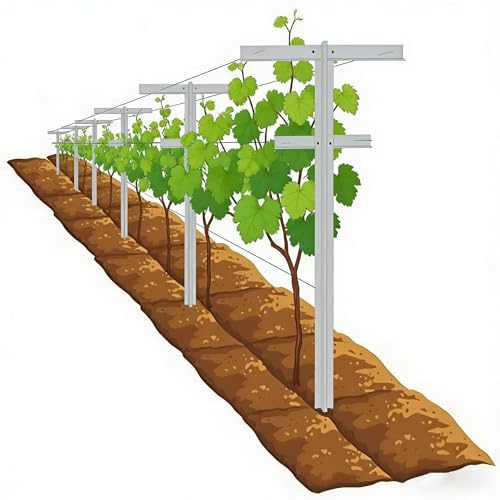
    Innconee 2 Set 7ft Adjustable Garden Trellis for Climbing Plants, Post Mounted Heavy Duty Outdoor Grape Trellis with Gloves for Tomatoes, Dragon Fruit, Cucumbers, Raspberries & Beans
    Innconee 2 Set 7ft Adjustable Garden Trellis for Climbing Plants, Post Mounted Heavy Duty Outdoor Grape Trellis with Gloves for Tomatoes, Dragon Fruit, Cucumbers, Raspberries & Beans

    Complete Garden Support Set: this garden trellis package includes two sturdy trellis frames and a pair of protective gloves; The frames are designed to support the vertical growth of various climbing plants, while the gloves offer comfortable hand protection during the setup process in your outdoor space; This combination provides a considered solution for cultivating your raspberry trellis or tomato trellis, helping to establish an organized and productive garden area

    MUST READ
    When to Prune Everbearing Raspberries: A Guide for Optimal Harvest Yields
    VIEW LATEST PRICE

    As an affiliate, we earn on qualifying purchases.

    2 Pack Metal Detachable Raspberry & Grape Vine Trellis for Climbing Plants, Heavy-Duty 7 Ft Tall Large Vineyard Trellis Support, Sturdy Garden Stakes for Outdoor Raised Beds Vegetables Fruits Flowers
    2 Pack Metal Detachable Raspberry & Grape Vine Trellis for Climbing Plants, Heavy-Duty 7 Ft Tall Large Vineyard Trellis Support, Sturdy Garden Stakes for Outdoor Raised Beds Vegetables Fruits Flowers

    Plant-Friendly Coating & Weather-Ready Durability: Our metal raspberry trellis for climbing plants outdoor features a protective plastic coating. The robust metal core is UV-resistant, rust-proof, and weatherproof, ensuring these tall trellises for raspberries withstand seasons of outdoor use without corrosion

    VIEW LATEST PRICE

    As an affiliate, we earn on qualifying purchases.

    Awesome Plant Trellis System (20 PCS) Plant Support Stakes Kit, 7.87 Inches Plant Stakes for Indoor Hydroponic Growing System, Compatible with Aerogarden Harvest XL Bounty and iDOO Indoor Garden
    Awesome Plant Trellis System (20 PCS) Plant Support Stakes Kit, 7.87 Inches Plant Stakes for Indoor Hydroponic Growing System, Compatible with Aerogarden Harvest XL Bounty and iDOO Indoor Garden

    Support for Tall Plant: This trellis kit provides 7.87” support for your tomatoes, peppers and more

    VIEW LATEST PRICE

    As an affiliate, we earn on qualifying purchases.

    Pest and Disease Management

    Dealing with pests and diseases is a crucial aspect of raspberry cultivation. Common pests that can affect raspberry plants include aphids, spider mites, and Japanese beetles. These pests feed on the plant sap, causing damage to the leaves and fruits. To manage pest infestations, consider using natural predators like ladybugs or introducing beneficial insects such as lacewings to control pest populations organically.

    In terms of diseases, raspberries are susceptible to fungal infections like powdery mildew and botrytis fruit rot. Proper sanitation practices, including removing any infected plant material promptly, can help prevent the spread of diseases. Additionally, applying fungicides at the first sign of disease symptoms can aid in controlling fungal outbreaks effectively.

    Weather Impacts

    Weather conditions play a significant role in raspberry cultivation success. Extreme temperatures, frost events, heavy rainfall, or droughts can all impact raspberry plants’ growth and fruit production. During periods of adverse weather conditions, providing adequate protection for your raspberry bushes is essential.

    MUST READ
    Optimal Spacing for Planting Raspberries: Tips for Healthy Growth and Abundant Harvests

    For example, covering plants with row covers during frost warnings or ensuring proper drainage to prevent waterlogging in excessively rainy periods can help mitigate weather-related risks. Monitoring local weather forecasts regularly and taking proactive measures can safeguard your raspberry crop from potential weather damages.

    By being aware of these common challenges in raspberry cultivation and implementing appropriate management strategies, you can enhance the health and productivity of your raspberry plants for a successful growing season.

    Tips for Successful Raspberry Growth

    Growing raspberries can be a rewarding experience, but to ensure successful growth, here are some practical tips to help you along the way.

    Recommended Products

    1000+ Mixed Berry Seeds for Planting - Grape, Blueberry, Raspberry & Strawberry - Non-GMO & Organic Seeds, Ideal for Home Garden
    1000+ Mixed Berry Seeds for Planting - Grape, Blueberry, Raspberry & Strawberry - Non-GMO & Organic Seeds, Ideal for Home Garden

    [Seed Quantity Details] Contains 1000+ mixed berry seeds, specifically 700 strawberry seeds, 200 raspberry seeds, 80 grape seeds and 80 blueberry seeds, which can fully meet the planting needs of home gardens.

    VIEW LATEST PRICE

    As an affiliate, we earn on qualifying purchases.

    The Organic Artist for Kids: A DIY Guide to Making Your Own Eco-Friendly Art Supplies from Nature
    The Organic Artist for Kids: A DIY Guide to Making Your Own Eco-Friendly Art Supplies from Nature
    VIEW LATEST PRICE

    As an affiliate, we earn on qualifying purchases.

    Raspberry 100 Pcs Seeds Raspberries Garden Fresh Fruit Healthy (Raspberry1)
    Raspberry 100 Pcs Seeds Raspberries Garden Fresh Fruit Healthy (Raspberry1)

    PACKAGING - Our high-quality seeds are packaged in professional seed packets. Also included on every package are growing instructions.

    VIEW LATEST PRICE

    As an affiliate, we earn on qualifying purchases.

    Best Varieties for Beginners

    When starting your raspberry garden, consider choosing varieties known for their ease of cultivation. Popular choices among beginners include:

    • Heritage: A classic red raspberry variety that is hardy and produces flavorful fruit.
    • Autumn Bliss: Known for its late-season harvest and excellent disease resistance.
    • Caroline: A thornless variety with large, firm berries that are perfect for fresh eating or preserves.

    By selecting these beginner-friendly varieties, you increase your chances of a successful raspberry harvest without compromising on taste or quality.

    Organic Growing Techniques

    For those interested in organic raspberry cultivation, here are some tips to help you grow healthy berries naturally:

    • Natural Pest Control: Encourage beneficial insects like ladybugs and lacewings to control harmful pests such as aphids. Planting companion plants like marigolds can also deter pests.
    • Compost & Mulch: Use organic compost to enrich the soil and provide essential nutrients for your raspberry plants. Mulching helps retain moisture and suppresses weeds.
    • Avoid Chemicals: Opt for natural fertilizers and pesticides to maintain an organic growing environment. Regularly inspect your plants for signs of pests or diseases and take prompt action using organic remedies.
    MUST READ
    Growing Raspberries from Fruit: A Complete Guide to Home Cultivation

    By following these organic growing techniques, you can cultivate delicious raspberries while promoting sustainability and environmental health in your garden.

    Conclusion

    Growing raspberries at home can be a rewarding experience that allows you to enjoy fresh, pesticide-free berries right from your garden. By following the tips and techniques shared in this article, you can cultivate healthy raspberry plants and overcome common challenges for a successful harvest. Remember to choose beginner-friendly varieties, practice organic growing methods, and stay attentive to your plants’ needs. With a little dedication and know-how, you’ll soon be savoring the sweet taste of homegrown raspberries while reaping the benefits of a thriving garden. Happy growing!

    Frequently Asked Questions

    Can I grow raspberries at home?

    Yes, you can easily grow raspberries at home. It’s a rewarding experience to pick fresh berries from your own garden.

    What are some beginner-friendly raspberry varieties?

    Choose varieties like Heritage, Autumn Bliss, and Caroline for easy raspberry cultivation.

    How can I promote sustainability while growing raspberries?

    Practice organic growing techniques such as natural pest control, composting, mulching, and avoiding chemicals for a sustainable garden environment.

    What are common challenges when growing raspberries?

    Pests and diseases are common challenges. Understanding plant characteristics and implementing preventive measures can help maintain plant health.

    How can I ensure a bountiful raspberry harvest?

    By following practical tips like selecting the right variety, practicing organic methods, and addressing challenges promptly, you can enhance the productivity of your raspberry plants.

    Share. Facebook Twitter Pinterest LinkedIn Tumblr Email
    lucy smith
    Lucy Smith
    • Website

    Lucy Smith is a highly experienced horticulturist with a passion for fruit tree cultivation. She holds a degree in Horticulture from the University of California, Davis, and has worked in various roles in the industry. With over 10 years of experience, Lucy is dedicated to using eco-friendly methods for sustainable gardening practices.

    Related Posts

    Discovering Raspberry Growth Maps: Unveiling Ideal Cultivation Regions Worldwide

    September 7, 2024

    Companion Planting Blackberries and Raspberries: Tips for Successful Growth

    September 7, 2024

    When to Transplant Black Raspberries for Healthy Growth and Fruit Production

    September 7, 2024

    How to Grow Raspberries in Ohio: A Complete Guide for Successful Harvests

    September 7, 2024

    What Type of Soil Do Raspberries Need? Tips for Healthy Growth and Bountiful Harvests

    September 7, 2024

    Companion Planting Strawberries, Blueberries, and Raspberries: Tips for a Thriving Berry Garden

    September 7, 2024
    Leave A Reply Cancel Reply

    Affiliate Disclosure

    As an Amazon Associate I earn from qualifying purchases.

    Recommended Reading

    Do All Plum Trees Produce Fruit: Factors Influencing Your Tree’s Yield Success

    Top Fruit Trees for Patio: Cultivating Citrus, Fig, Apple & More

    What Month Do Fig Trees Produce Fruit and How to Maximize Your Harvest

    Optimizing Grape Water Needs: Essential Tips for Growth and Quality

    Jujube Trees in Indiana (Hoosier State Success Manual)

    How Tall Do Raspberries Grow? Tips to Maximize Growth Potential

    How to Securely Fix Your Pruner Handle: Step-by-Step Guide

    When to Prune Fruit Trees Seattle: Best Timing for Healthy Growth and Bountiful Harvests

    Can Star Fruit Trees Grow in Cold Climates

    How Much Do Fruit Trees Increase Property Value: Key Insights for Homeowners and Buyers

    Fruit Tree Hub

    Fruit Tree Hub is a website dedicated to providing you everything you need to grow fruit trees successfully at in your own yard.

    Contact us at: [email protected]

    - AFFILIATE DISCLOSURE: As an Amazon Associate I earn from qualifying purchases.

    Latest Posts

    Can Olive Trees Grow in New Jersey? Garden State Growth Tips

    Can Star Fruit Trees Grow in Missouri? Expert Variety Guide

    How to Grow Jujube Trees in Las Vegas, NV: Desert Growth

    Mango Trees in Illinois: Indoor and Greenhouse Growth Secrets

    Growing Papaya Trees in Oklahoma: High Heat Resilience

    Tamarind Trees in a Pot in Ohio (Complete Maintenance Manual)

    Can Fig Trees Grow in Long Beach, CA? Coastal Salt Tips

    Plum Trees in District of Columbia (Urban Microclimate Tips)

    Categories
    • Almond Trees
    • Apple Trees
    • Apricot Trees
    • Best Fruit Trees
    • Blackberry
    • Cantaloupe
    • Cherry Trees
    • Crochet Ideas
    • Crochet Ideas for Beginners
    • Cucamelon
    • Easy Crochet Ideas
    • Easy Knitting Projects
    • Fig Trees
    • Grapefruit Trees
    • Grapes
    • Guava Trees
    • Honeydew
    • Jujube Trees
    • Kiwi
    • Knitting For Beginners
    • Knitting Ideas
    • Knitting Inspiration
    • Lemon Trees
    • Lime Trees
    • Loquat Trees
    • Mango Trees
    • Mulberry Trees
    • Nectarine Trees
    • Olive Trees
    • Orange Trees
    • Papaya Trees
    • Peach Trees
    • Pear Trees
    • Persimmon Trees
    • Planting
    • Plum Trees
    • Pomegranate Trees
    • Quince Trees
    • Raspberry
    • Reviews
    • Small Crochet Ideas
    • Star Fruit Trees
    • Summer Crochet Ideas
    • Tamarind Trees
    • Tangerine Trees
    • Tips and Advice
    • Tools
    • Uncategorized
    • Walnut Trees
    © 2026 Fruit Tree Hub
    • Home
    • About Us
    • Contact
    • Privacy Policy
    • Terms and Conditions
    • Disclaimer
    • Editorial Policy
    • Affiliate Disclosure

    Type above and press Enter to search. Press Esc to cancel.