

Have you ever woken up to a surprise frost, worried about your fruit trees? It’s a common concern for many gardeners. One chilly night can damage blossoms and young fruit, leaving you wondering if your efforts have gone to waste.
In this article, you’ll discover whether protecting your fruit trees from frost is necessary and how to do it effectively. You’ll learn simple strategies to safeguard your trees and ensure a bountiful harvest. With the right knowledge, you can enjoy peace of mind and protect your investment in your garden.
Key Takeaways
- Understanding frost is crucial for protecting fruit trees; it occurs when temperatures fall below 32°F (0°C), leading to various types of frost that can damage buds and fruit.
- Recognizing signs of frost damage, such as brown buds and leaf discoloration, helps gardeners take timely protective actions to minimize impacts.
- Effective protection methods include using frost cloths, row covers, mulching, and windbreaks to create a warmer environment for trees during cold nights.
- Chemical treatments, such as anti-desiccants and nitrogen-rich fertilizers, can enhance a tree’s resistance to frost and promote healthy growth.
- Proactive care post-frost, like pruning damaged branches and maintaining moisture levels, supports recovery and resilience against future frost threats.
- Monitoring local weather forecasts is essential for timely frost protection measures to ensure a successful harvest and the longevity of fruit trees.
Understanding Frost and Its Impact on Fruit Trees
Frost can significantly affect the health and productivity of fruit trees. Understanding its characteristics and impacts helps you protect your trees effectively.
What Is Frost?
Frost occurs when temperatures drop below freezing, causing water vapor in the air to crystallize on surfaces. This temperature typically falls to 32°F (0°C) or lower. Frost forms overnight when the air cools, especially in areas with low wind and clear skies. Understanding frost helps you anticipate potential damage to your fruit trees.
- Radiation Frost: This type happens on clear nights when heat escapes from the ground. It mainly impacts young buds and blossoms. Trees in low areas often experience more radiation frost. Protecting these trees with blankets or row covers can minimize damage.
- Advection Frost: This frost forms when warm air moves out and cold air moves in. It can occur suddenly, affecting a wide area. Trees with blooms may suffer irreversible damage. Utilizing windbreaks or planting in well-drained areas helps reduce exposure.
- Spring Frost: This frost can be particularly harmful in late spring when trees begin to bloom. A sudden drop in temperature might damage developing fruit. Monitoring local weather forecasts gives you time to implement protective measures, like covering trees on frost nights.
- Ice Frost: This occurs when water vapor freezes instantly onto plant surfaces. It’s less common but highly damaging. Ice can crush delicate buds and branches. Spraying trees with water before frost can create a protective layer of ice around the buds, insulating them.
By understanding the different types of frost and their effects, you can better prepare your fruit trees for the challenges frost presents.
Signs Your Fruit Trees Need Protection
Recognizing when your fruit trees need protection from frost can make a significant difference in their health and yield. Here are key signs to look for.
Recommended Products

The Large plant cover is perfect for Plant size 55''-70"high and 84''-94" round, Heavy-weight FRCs (1.77oz./sq. yard): usually used to extend the growing season in spring and fall, allow 40%-60% light transmittance, and recommend 3°-8°F of freeze protection

Revolutionary Anti-freeze Protection: Plant covers freeze protection is made of 100% Reliable non-woven thickened polypropylene fabric Because the frost cloth fabric Thickness is 3.2 oz/yd² thicker and warmer, tear resistant than less expensive 1.3 oz/yd² fabric. Provides up to 2° F(-17℃) frost protection. In winter, frost blankets for outdoor plants can form a insulation layer for plants to isolate cold air and retain the oxygen required for plant respiration

The Large plant cover is perfect for Plant size 55''-70"high and 84''-94" round, Heavy-weight FRCs (1.77oz./sq. yard): usually used to extend the growing season in spring and fall, allow 40%-60% light transmittance, and recommend 3°-8°F of freeze protection
Indicators of Frost Damage
- Bud Damage: Brown or blackened buds indicate potential frost damage. Healthy buds appear green and firm.
- Leaf Discoloration: Leaves turning brown or wilting can signal frost stress. Check for crisp edges or browning.
- Flower Drop: Early flower drop may suggest that a frost event has harmed the blossoms.
- Delayed Growth: Slowed or stunted growth during the spring can indicate a negative impact from frost conditions.
- Peach Trees: Peach trees are sensitive to frost, especially during blooming. They often suffer considerable damage from late frosts.
- Apple Trees: Apple trees can also be vulnerable, particularly if they bloom early in the season.
- Cherry Trees: Cherry trees experience significant issues with frost damage, leading to crop losses.
- Plum Trees: Plums face risks during flowering and fruit set due to their early blooming habits.
By recognizing these signs early, you can take timely precautions to protect your fruit trees from frost damage.
Methods to Protect Fruit Trees from Frost
Protecting fruit trees from frost involves several effective strategies. These methods can minimize frost damage and promote healthy growth.
Recommended Products

Comprehensive Winter Protection for Your Garden: Our outdoor plant covers provide complete freeze protection for strawberries, vegetables, tomatoes, fruit trees, citrus plants, shrubs, and potted plants throughout the winter. This frost cloth plant freeze protection shields delicate plants from sudden temperature drops, frost, and strong winds, ensuring they survive harsh winter conditions. Ideal for those looking for frost blankets for outdoor plants and reliable plant freeze protection covers.
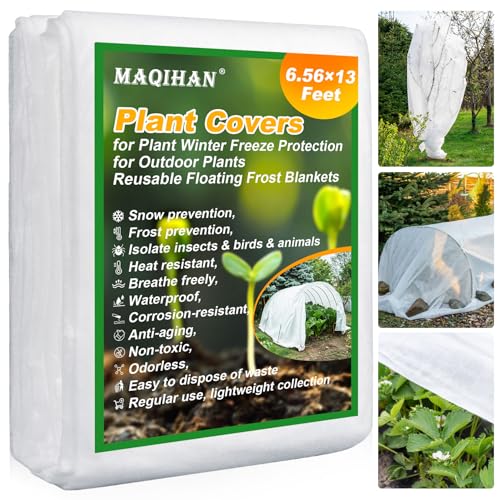
Product Features: Our plant covers are ideal for protecting all plant. Made from premium 1 oz/sq non-woven fabric, their durability and breathability ensuring both insulation against frost and facilitation of sunlight penetration for healthy plant growth

【Heavy-weight for Winter】 1.2 oz./sq. yard plant cover are usually used to extend the growing season in spring and fall, allow 30%-50% light transmission, and recommend of freeze protection and season extension
Physical Barriers
Physical barriers offer immediate protection against frost. Here are some common options:
- Frost Cloths: Use lightweight frost cloths or blankets to cover trees during cold nights. These materials trap heat and provide insulation.
- Row Covers: Apply row covers for an extended area of trees. They’re easy to place and can provide warmth on chilly nights.
- Mulching: Spread mulch around the base of the trees. Mulch retains soil warmth and creates a buffer against cold air.
- Windbreaks: Install windbreaks, such as fences or shrubs, to reduce cold wind exposure. Windbreaks can create a warmer microclimate around your trees.
Chemical Treatments
Chemical treatments can enhance a tree’s resistance to frost. Consider these methods:
- Anti-Desiccants: Spray trees with anti-desiccants. These coatings help reduce moisture loss during frost events, keeping trees hydrated.
- Fertilizers: Apply nitrogen-rich fertilizers before colder weather. Healthy trees can better endure cold temperatures.
- Hormonal Sprays: Utilize plant growth regulators that promote resilience. These sprays help trees adjust to environmental stresses.
Implementing these methods can significantly reduce the risk of frost damage. By being proactive, you can ensure a successful harvest and maintain the health of your fruit trees.
Best Practices for Frost Protection
Protecting fruit trees from frost is vital for a successful harvest. Implementing effective methods ensures the trees remain healthy during critical growth periods.
Recommended Products

Extra Thick Tree and Plant Covers for Winter: Scrubits Frost Blankets for outdoor plants and Trees will ensure that your Trees and large plants not only survive the winter but thrive and grow to blossom. With its extra thick fabric and long-lasting material, you can be confident about next year's harvest.

The small plant cover is perfect for Plant size 16''-23"high and 36''-46" round, Heavy-weight FRCs (1.77oz./sq. yard): usually used to extend the growing season in spring and fall, allow 40%-60% light transmittance, and recommend 3°-8°F of freeze protection

PACKAGE: The package includes 4Pcs plant covers,will meet your daily use or replacement. Measuring 31.5" x 47.3", the plant protector is waterproof, windproof.
Timing and Methods
Timing plays a crucial role in frost protection. Monitor local weather forecasts closely, especially during spring when frost is more likely. You can use the following methods to safeguard your trees:
- Covering with Frost Cloths: Apply frost cloths over your trees during frost warnings. Ensure the cloth touches the ground to trap heat.
- Using Row Covers: Install row covers around young trees to create a mini-greenhouse effect. This method provides insulation while allowing sunlight and moisture in.
- Mulching: Spread a thick layer of mulch around the base of the tree. Mulch retains soil warmth, reducing the root zone’s exposure to cold temperatures.
- Setting Up Windbreaks: Position windbreaks to shield trees from cold winds. This could include planting shrubs or using barriers that redirect airflow.
Implement these methods promptly before temperatures drop. Taking action sooner rather than later can significantly reduce frost damage.
Post-Frost Care for Fruit Trees
After a frost event, assess your trees and provide appropriate care to aid recovery. Consider these steps:
- Prune Damaged Branches: Remove any dead or damaged branches. Clear away these areas to promote new growth.
- Apply Fertilizer: Use nitrogen-rich fertilizers to encourage recovery. Fertilizers can help stimulate growth after stress from frost exposure.
- Check for Pests: Inspect your trees for any signs of pests that may take advantage of weakened trees. Treat infestations immediately to prevent further harm.
- Maintain Moisture Levels: Water your trees regularly, especially if the weather remains dry. Well-hydrated trees are better equipped to recover from stress.
By following these practices, you enhance the resilience of your fruit trees against future frost threats and support their healthy growth.
Conclusion
Protecting your fruit trees from frost isn’t just a good idea—it’s essential for a successful harvest. By staying informed about frost types and recognizing the signs of damage, you can take proactive steps to shield your trees.
Implementing protective measures like frost cloths and windbreaks can make a significant difference. Plus with timely post-frost care, you’ll help your trees bounce back stronger than ever.
Remember that a little effort now can lead to a bountiful fruit crop later. So keep an eye on the weather and don’t hesitate to act when the chill hits. Your fruit trees will thank you for it!
Frequently Asked Questions
What types of frost can affect fruit trees?
Different types of frost include radiation frost, advection frost, spring frost, and ice frost. Each type has unique impacts, particularly during critical growth stages of fruit trees. Understanding these types helps gardeners anticipate damage and take necessary precautions.
How do I know if my fruit trees need frost protection?
Key signs include bud damage, leaf discoloration, early flower drop, and delayed growth. Peach, apple, cherry, and plum trees are especially vulnerable during blooming and early growth. Recognizing these signs can prompt timely protective measures.
What are effective methods to protect fruit trees from frost?
Effective methods include using physical barriers like frost cloths and row covers, applying mulch for insulation, and setting up windbreaks to reduce cold wind exposure. Chemical treatments, like anti-desiccants and nitrogen-rich fertilizers, can also boost frost resistance.
When should I start protecting my fruit trees from frost?
Protection should begin in spring, closely monitored through local weather forecasts. Be proactive before expected frost events to ensure your trees stay warm and protected.
What post-frost care should I provide for my fruit trees?
Post-frost care includes pruning damaged branches, applying nitrogen-rich fertilizers to aid recovery, checking for pests, and maintaining proper moisture levels. This care helps trees bounce back and prepares them for future frost challenges.
