

Are you curious about growing your own kiwis but unsure if it’s a manageable task? Picture this: you’re dreaming of harvesting fresh, juicy kiwis from your backyard, but you’re not sure where to start. You might be wondering, “Are kiwis easy to grow?” Well, you’re in the right place.
Key Takeaways
- Growing kiwis offers benefits such as enjoying the freshest, most flavorful harvest, health benefits, cost-effectiveness, aesthetic appeal, and an eco-friendly option.
- Key factors to consider before planting kiwis include selecting the right variety, ensuring adequate sunlight, maintaining soil quality, meeting watering needs, providing support structures, addressing pollination requirements, and regular pruning and maintenance.
- Steps for successfully growing kiwis involve selecting the right variety, providing adequate sunlight, maintaining soil quality, meeting watering needs, providing support structures, addressing pollination requirements, and conducting regular pruning and maintenance.
- Common challenges in growing kiwis include climate suitability, disease and pest management, pollination challenges, pruning and training, and nutrient deficiency. Taking proactive measures to address these challenges can help ensure successful kiwi cultivation.
Benefits of Growing Kiwis
When considering whether to grow kiwis in your own backyard, you’ll be pleased to discover the numerous benefits that come with cultivating these exotic fruits. Here are the advantages of growing kiwis:
Freshest and Most Flavorful Harvest
Growing your own kiwis allows you to enjoy the freshest and most flavorful harvest possible. By picking ripe kiwis straight from the vine, you’ll experience a level of sweetness and juiciness that surpasses store-bought options.
Health Benefits
Kiwis are renowned for their exceptional nutritional value, packed with Vitamin C, fiber, and antioxidants. By growing your own kiwis, you ensure access to a fresh and organic source of these vital nutrients for you and your family.
Cost-Effectiveness
Once your kiwi vines are established, they can produce a plentiful harvest for many years to come. This longevity makes growing kiwis a cost-effective choice in the long run compared to frequently purchasing them from the store.
Aesthetic Appeal
Kiwis are not only delicious but also visually appealing fruits. The lush green foliage and hanging fruits add a tropical touch to your garden landscape, enhancing its overall aesthetic value.
Eco-Friendly Option
Growing kiwis in your backyard promotes sustainability and reduces the carbon footprint associated with transporting fruits over long distances. It’s a step towards more eco-friendly consumption practices.
Fun and Rewarding Experience
Witnessing the growth of your kiwi vines, from planting to harvest, can be a fun and rewarding experience. It provides a sense of accomplishment and connection to the food you eat.
Versatile Usage
Fresh kiwis harvested from your own garden offer versatility in how you can use them. Whether eaten raw, added to salads, used in smoothies, or incorporated into desserts, homegrown kiwis offer endless culinary possibilities.
By embracing the benefits of growing kiwis, you not only ensure a fresh and sustainable source of this delightful fruit but also enrich your gardening experience with a touch of exotic flair.
Factors to Consider Before Planting Kiwis
When planting kiwis in your garden, it’s essential to consider several factors to ensure successful growth. Here are some key points to keep in mind:
Recommended Products

Support for Tall Plant: This trellis kit provides 7.87” support for your tomatoes, peppers and more

🌑[Plant Growth Support]:Garden plant trellis are committed to helping your indoor for potted plants and adds to the natural beauty. As plants grow, the houseplant trellis takes the form of a ladder to help your plant climbing and growing.

【Versatile Support】This honeycomb plant trellis indoor is perfect for a variety of climbing plants, including vines, flowers, and vegetables. Its versatile design allows garden trellis to be used both indoors and outdoors, providing essential support for your plants to grow
Selecting the Right Variety
Choose a kiwi variety that is well-suited to your climate and growing conditions. Varieties like Hayward, Blake, and Jenny are popular choices for home gardeners in various regions. Ensure that the variety you select is compatible with your local climate to optimize growth and fruit production.
Sunlight Requirements
Kiwis thrive in full sunlight, so it’s crucial to select a planting location that receives at least 6-8 hours of direct sunlight daily. Adequate sunlight not only promotes healthy growth but also enhances fruit quality and sweetness.
Soil Quality
Ensure that the soil in your garden is well-draining and rich in nutrients. Kiwis prefer slightly acidic soil with good drainage to prevent waterlogging, which can lead to root rot. Conduct a soil test to assess the pH level and make any necessary amendments before planting.
Watering Needs
Kiwis require regular watering, especially during the growing season and fruit development. It’s essential to maintain consistent soil moisture, avoiding both waterlogging and drought conditions. Consider installing a drip irrigation system to provide the necessary hydration without overwatering.
Support Structures
Kiwis are vigorous climbers and need sturdy support structures to grow effectively. Install trellises or pergolas to support the vines as they grow, ensuring proper airflow and sunlight exposure for healthy fruit development. Prune the vines regularly to maintain manageable growth and facilitate harvesting.
Pollination Requirements
Kiwis are dioecious plants, meaning they have separate male and female vines. To ensure fruit set, you’ll need both male and female plants for pollination. Plan your garden layout accordingly, ensuring the presence of male vines to pollinate the female flowers and yield a bountiful harvest.
Pruning and Maintenance
Regular pruning is essential to manage kiwi vines, promote fruit production, and maintain plant health. Prune annually during the dormant season to remove old growth, improve airflow, and stimulate new growth. Conduct routine maintenance tasks, such as fertilizing and pest control, to ensure optimal plant growth.
By considering these factors before planting kiwis in your garden, you can set the stage for a successful growing experience and enjoy a plentiful harvest of these delicious and nutritious fruits.
Steps to Successfully Grow Kiwis
Planting and cultivating kiwis can be a rewarding experience, offering fresh and nutritious fruits right from your garden. To ensure a successful kiwi-growing venture, follow these essential steps:
Selecting the Right Variety
Choose a kiwi variety that thrives in your climate. Common types include Hayward, Bruno, and Issai. Consider factors such as the average temperature and frost levels in your region to select a suitable variety.
Providing Adequate Sunlight
Kiwis require plenty of sunlight for optimal growth. Ensure they receive at least 6-8 hours of direct sunlight daily. Planting them in a south-facing location can help maximize sun exposure.
Maintaining Soil Quality
Kiwi plants prefer well-draining, fertile soil. Test the soil pH and amend it if necessary to ensure it falls within the ideal range of 5.5 to 7.0. Adding organic matter like compost can improve soil structure and nutrient content.
Meeting Watering Needs
Kiwi plants need consistent moisture, especially during the growing season. Ensure they receive adequate water, especially during hot and dry periods. Consider installing drip irrigation to provide a steady water supply.
Providing Support Structures
As kiwi vines are vigorous climbers, they require sturdy support structures. Set up trellises or pergolas to allow the vines to climb and support the weight of the fruit. Regularly prune the vines to manage growth and encourage fruit production.
Addressing Pollination Requirements
Kiwis are dioecious plants, meaning you need both male and female vines for pollination and fruit set. Make sure to plant at least one male vine for every 8-12 female vines to ensure successful pollination.
Conducting Regular Pruning and Maintenance
Pruning is essential to manage the size of the vines, promote air circulation, and increase fruit production. Prune kiwi plants in late winter or early spring before new growth begins. Remove dead or damaged branches to encourage healthy growth.
By following these steps and providing proper care to your kiwi plants, you can set the foundation for a thriving crop of delicious and nutrient-rich kiwis in your own backyard.
Common Challenges in Growing Kiwis
When cultivating kiwis, you may encounter several challenges that can impact the successful growth of these flavorful fruits. Here are some common hurdles you may face and strategies to overcome them:
Recommended Products

Sweet kiwi variety, cold-hardy, woody deciduous vines, great for home gardens and trellises
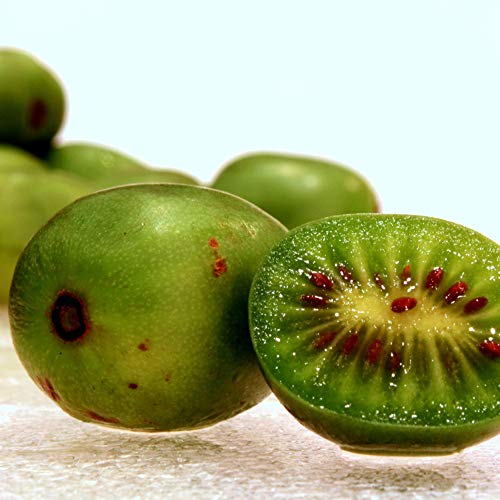
Premium quality fruiting vine seeds package containing 10 Hardy Kiwi seeds, yielding smooth-skinned kiwi berries with sweet-tart flavor on vigorous, cold-hardy climbing vines for trellises, arbors, and edible landscapes.

Sweet kiwi variety, cold-hardy, woody deciduous vines, great for home gardens and trellises
1. Climate Suitability
In regions with extreme temperatures or unsuitable climate conditions, growing kiwis can be challenging. Kiwis thrive in temperate climates, and frost can damage or even kill young kiwi plants. If you’re in a colder region, consider planting cold-hardy kiwi varieties that are better adapted to withstand frost.
2. Disease and Pest Management
Diseases like powdery mildew, bacterial canker, and pests such as aphids and mites can affect kiwi plants. To combat these issues, regularly inspect your plants for any signs of diseases or pest infestations. Implement proper sanitation practices, consider organic pest control methods, and consult local gardening experts for specific guidance.
3. Pollination Challenges
Kiwis are dioecious, meaning male and female flowers are borne on separate plants. To ensure proper pollination and fruit set, you need both male and female kiwi plants in close proximity. If you have only one plant or the ratio of male to female plants is unbalanced, hand pollination may be necessary to increase fruit yield.
4. Pruning and Training
Improper pruning can hinder fruit production and plant health. Overgrown kiwi vines can become tangled and reduce sunlight exposure to fruiting wood. Learn the correct pruning techniques for kiwi plants, including removing dead or overcrowded branches, and training vines to support structures for optimal growth.
5. Nutrient Deficiency
Inadequate soil nutrition can lead to stunted growth and poor fruit quality. Kiwi plants require sufficient nutrients like nitrogen, phosphorus, and potassium to thrive. Conduct soil tests regularly to assess nutrient levels and consider fertilizing with balanced formulations suitable for kiwi cultivation to address any deficiencies.
Navigating these common challenges in growing kiwis can help you maintain healthy plants and increase your chances of a bountiful harvest. By understanding and proactively addressing these obstacles, you’ll be better equipped to enjoy the rewards of growing your own delicious kiwis at home.
Conclusion
Growing kiwis at home can be a rewarding experience. From the joy of harvesting your own fresh, flavorful fruits to the satisfaction of overcoming challenges like climate suitability and pest management, cultivating kiwis offers a sense of accomplishment. By following the essential tips provided in this article, you can successfully nurture your kiwi plants and enjoy a bountiful harvest. Remember, with the right care and attention, you can transform your garden into a thriving kiwi orchard. Happy gardening!
Frequently Asked Questions
Q: What are the benefits of growing kiwis at home?
A: Growing kiwis at home offers fresh and flavorful fruits, provides health benefits like high vitamin C content, saves money compared to store-bought kiwis, and allows for various culinary uses.
Q: How do I select the right kiwi variety for my home garden?
A: Choose kiwi varieties based on factors like climate, space availability, desired fruit size, and flavor preferences to ensure successful growth in your home garden.
Q: What are the essential factors for successful kiwi cultivation?
A: To grow healthy kiwis, ensure proper sunlight exposure, maintain well-draining soil quality, meet watering needs, provide sturdy support structures, consider pollination requirements, and employ regular pruning techniques.
Q: What are the common challenges faced when growing kiwis at home?
A: Challenges include climate adaptability, disease and pest control, pollination issues, pruning methods, training techniques, and addressing nutrient deficiencies for optimal kiwi plant growth.
Q: How can I overcome challenges in growing kiwis?
A: Overcome challenges by selecting suitable varieties, employing proper care practices, using organic pest control methods, ensuring adequate pollination, implementing correct pruning strategies, and addressing nutrient deficiencies promptly for successful kiwi cultivation.
