

Have you ever wondered how long it takes to grow your own kiwi fruits at home? Picture this: you’re in your garden, dreaming of harvesting fresh, juicy kiwis right from your backyard. But how long do you have to wait before you can enjoy the fruits of your labor?
In this article, we’ll explore the timeline of growing kiwi plants, from planting the seeds to the first harvest. You’ll discover the patience and care required to nurture these exotic fruits until they are ready for picking.
Key Takeaways
- The growth cycle of kiwi plants consists of stages like germination, seedling, vegetative growth, flowering, fruit development, and harvest.
- Factors affecting kiwi growth include the plant variety, climate conditions, soil quality, pruning techniques, and pollination.
- Understanding the average time frames for each growth stage helps in tracking progress and anticipating milestones.
- Best practices for accelerating kiwi plant growth include choosing the right variety, providing optimal growing conditions, proper pruning and training, fertilization, adequate watering, and pest control.
The Growth Cycle of Kiwi Plants
Understanding the growth cycle of kiwi plants is essential to successfully cultivate these exotic fruits in your own backyard. Here’s a breakdown of the stages involved in the development of kiwi plants:
Germination:
When planting kiwi seeds, you’ll first experience the germination stage. During this period, the seeds begin sprouting roots and shoots. It typically takes around 2 to 3 weeks for kiwi seeds to germinate and show visible signs of growth.
Seedling Stage:
Once the seeds have sprouted, they enter the seedling stage. At this point, the young plants focus on developing strong root systems and establishing themselves in the soil. This stage can last anywhere from 1 to 3 months as the seedlings grow in size.
Vegetative Growth:
As the kiwi plants mature, they transition into the vegetative growth phase. This is a crucial period where the plants focus on leaf and stem development to support future fruit production. During this stage, ensure the plants receive sufficient sunlight, water, and nutrients for optimal growth.
Flowering:
After the vegetative growth stage, kiwi plants enter the flowering phase. Small white flowers start to bloom on the vines, marking the beginning of the fruit-bearing process. Proper care during this stage is important to ensure successful pollination and fruit set.
Fruit Development:
Following successful pollination, the flowers transform into small green kiwi fruits. Over the next few months, these fruits grow in size and undergo changes in color and texture. The time it takes for kiwi fruits to reach maturity varies but typically ranges from 4 to 7 months.
Harvest:
Once the kiwi fruits have reached maturity, it’s time for the long-awaited harvest. Depending on the kiwi variety and growing conditions, the fruits can be picked from late summer to early fall. Harvesting at the right time ensures optimal flavor and sweetness in the fruits.
Understanding the growth cycle of kiwi plants from germination to harvest equips you with the knowledge needed to nurture these plants successfully and enjoy a bountiful kiwi harvest in your own home garden. Remember to provide consistent care and attention at each stage to help your kiwi plants thrive.
Factors Affecting the Time it Takes for Kiwi to Grow
Understanding the factors that influence the growth cycle of kiwi plants can help you anticipate and optimize the time it takes for them to mature and bear fruit. Here’s a breakdown of key elements that play crucial roles in determining how long it will take for your kiwi plants to grow:
Recommended Products

Garden Scissors Hand Pruner: Reduce Hand Strain, Ultra Sharp Blades, Secure and Easy to Lock, Make Precise Cuts with Straight Stainless Steel Blades; 6.5 Inch plant shears, perfect as flower scissors trimming trees, shaping roses, annuals, vegetable, bonsai gardens. Plant scissors pruning pruners gardening garden clippers.
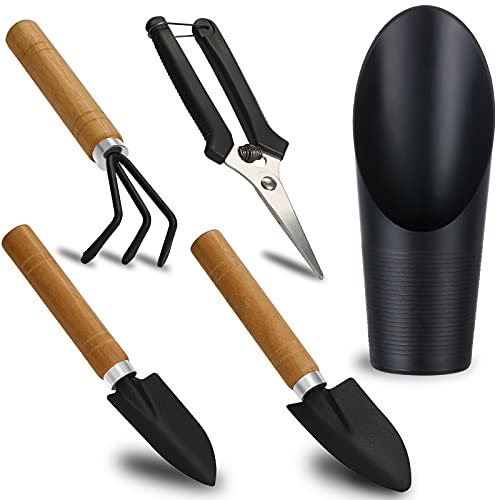
[SUCCULENT GARDEN TOOLS SET] The mini gardening hand tools kit include 3Pcs garden planting tools:1 shovel,1 spade,1 rake;and1 pruning scissors; 1 plastic bucket shovel,pieces of 5.

BUILT TO LAST, SHARP FOR LONG-TERM USE: Made from high-quality materials, these scissors are praised for their solid construction and exceptional sharpness. Designed to withstand frequent use without breaking or losing effectiveness. The blades feature a wear-resistant coating to stay sharp for longer, and they can easily be sharpened to maintain optimal performance over time.
1. Kiwi Variety:
Different kiwi varieties have varying growth rates and maturation periods. For instance, hardy kiwi varieties generally have a shorter time to fruiting compared to traditional kiwi varieties. When selecting kiwi plants for your garden, consider the specific variety’s growth characteristics to have a clearer expectation of the timeline for fruit production.
2. Climate Conditions:
The climate in which kiwi plants are cultivated significantly impacts their growth rate. Kiwis thrive in temperate climates with long growing seasons. Ideal temperatures for kiwi growth range between 50-86°F (10-30°C). Factors such as sunlight exposure, humidity levels, and rainfall patterns also influence the plant’s development timeline.
3. Soil Quality:
The quality of the soil in which kiwi plants are grown plays a vital role in their growth and maturation. Kiwis prefer well-draining, fertile soil with a slightly acidic to neutral pH level. Soil rich in organic matter provides essential nutrients for healthy plant growth. Conduct soil tests and amend the soil as needed to create an optimal growing environment for your kiwi plants.
4. Pruning and Training:
Proper pruning and training techniques can help accelerate the growth and fruiting of kiwi plants. Pruning encourages the development of fruit-bearing wood and enhances air circulation within the plant, reducing the time needed for fruit to ripen. Training the vines onto a trellis or support system helps promote efficient growth and facilitates easier access for maintenance tasks.
5. Pollination:
Kiwi plants require cross-pollination between male and female vines for fruit production. Ensuring the presence of compatible pollinators and maintaining a balanced ratio of male to female plants can enhance the pollination process. Adequate pollination results in more significant fruit set and promotes faster fruit development.
By considering these essential factors and implementing appropriate cultivation practices, you can actively influence the time it takes for kiwi plants to grow and yield a plentiful harvest. Paying attention to these aspects will help you foster healthy kiwi plants and enjoy the satisfaction of homegrown kiwis in due time.
Average Time Frame for Kiwi Plant Growth Stages
Understanding the average time frame for each kiwi plant growth stage is crucial for successful cultivation. Here’s a breakdown to help you track progress and anticipate milestones:
Recommended Products

Set of 4 Hardy Kiwi plants, live rooted starter vines 4-6" tall, ready for planting, random types
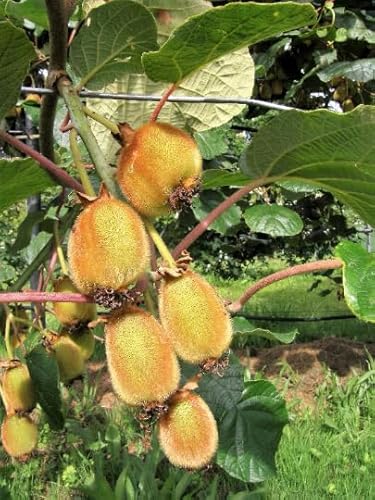
Finally, a long-awaited, self-pollinating, fuzzy kiwi has arrived! ‘Jenny’ blooms in spring with fragrant yellow flowers, and the fuzzy, 2-4” brown fruit mature in late summer or early fall.

Can only ship plants bare-root (no soil or pot) to CA. Cannot ship culinary seeds to CA.
Germination Stage:
In this initial stage, kiwi seeds start to sprout, signaling the beginning of the plant’s life. Typically, germination takes about 2 to 3 weeks after planting the seeds.
Seedling Stage:
Once germination is complete, the seedlings emerge, and their growth accelerates. During this stage, which spans around 4 to 6 weeks, the young plants develop their first set of true leaves.
Vegetative Growth Stage:
The vegetative growth stage is characterized by rapid foliage development as the plant focuses on building a robust structure. This phase lasts approximately 3 to 4 months, depending on growing conditions.
Flowering Stage:
As the plant matures, it transitions to the flowering stage where blossom buds form. Flowering usually occurs after 2 to 3 years from planting, although this can vary based on factors like climate and kiwi variety.
Fruit Development Stage:
Following successful pollination, the flowers give way to small kiwi fruits. It takes about 5 to 7 months for the fruits to grow to maturity, size, and sweetness before they are ready for harvest.
Harvest Stage:
Finally, the long-awaited harvest phase arrives. Depending on the kiwi variety and growing conditions, the harvesting time can range from late summer to early autumn. It’s essential to monitor the fruit’s readiness for picking to ensure optimal taste and quality.
By being aware of the average time frame for each kiwi plant growth stage, you can better plan and care for your plants throughout their life cycle, increasing the likelihood of a bountiful harvest.
Best Practices for Accelerating Kiwi Plant Growth
To speed up the growth of your kiwi plants and enjoy a bountiful harvest sooner, there are several best practices you can implement. By following these tips, you can optimize the growth conditions for your kiwi plants and potentially reduce the time it takes for them to reach maturity.
Recommended Products
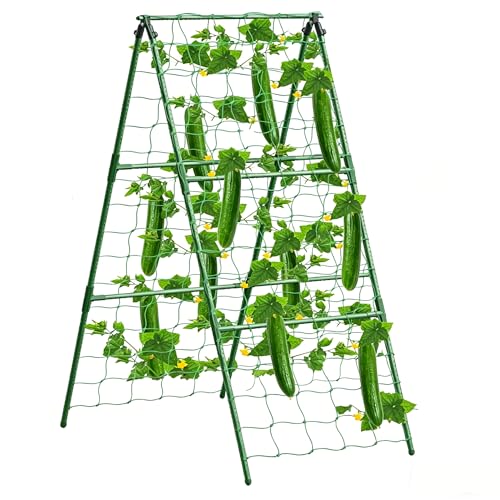
【Package included】:This Trellis for Climbing Plants Outdoor comes complete with everything you need to get started: 17pcs metal stakes, 8pcs T shape connect pipe, 2 A-shaped connectors, and a 0.9x1.8meter plant net.

Coloch set of 20 pack bamboo U trellis support measures: Length: 15.8 inches, Width:6 inches. The sufficient quantity can meet your demand and the size is suitable for a wide range of plants.

SUPPORTING PLANT GROWTH:1 pack garden trellis, helps plants grow upright, improving ventilation and lighting, and increasing yield and quality.
Choosing the Right Variety
Selecting the appropriate kiwi variety for your climate and soil conditions is crucial in accelerating the growth of your plants. Certain kiwi varieties are better suited to specific climates, so ensure you choose a variety that thrives in your local environment. For example, hardy kiwi varieties are more adaptable to colder climates, while fuzzy kiwis prefer warmer regions.
Providing Optimal Growing Conditions
Creating the ideal environment for your kiwi plants is essential for promoting rapid growth. Ensure your plants receive adequate sunlight, typically requiring at least 6-8 hours of sunlight per day. Additionally, kiwi plants prefer well-draining soil with good fertility. Regularly test your soil and adjust the pH levels as necessary to optimize growth conditions.
Proper Pruning and Training Techniques
Pruning and training your kiwi plants correctly can significantly impact their growth rate. Pruning helps stimulate new growth and fruit production while maintaining the plant’s overall health. Train your kiwi vines to grow on a trellis or pergola to maximize sunlight exposure and airflow, promoting healthier and faster growth.
Fertilization and Nutrient Management
Providing your kiwi plants with the right balance of nutrients is crucial for accelerating growth. Fertilize your plants regularly during the growing season, following the recommended guidelines for kiwi plants. Consider using organic fertilizers to promote soil health and microbial activity, enhancing nutrient uptake and supporting robust growth.
Adequate Watering and Irrigation
Proper hydration is vital for the healthy development of kiwi plants. Ensure your plants receive sufficient water, especially during hot and dry periods. Implement a consistent watering schedule, watering deeply but infrequently to encourage deep root growth. Consider using drip irrigation systems for efficient water delivery directly to the plant roots.
Monitoring and Pest Control
Regularly monitor your kiwi plants for signs of pests and diseases that can impede growth. Implement integrated pest management strategies to prevent infestations and ensure your plants remain healthy. By addressing pest issues promptly, you can maintain optimal growth conditions for your kiwi plants.
Conclusion
You now have a clear understanding of the growth journey of kiwi plants, from germination to harvest. By considering factors like kiwi variety, climate, soil quality, and proper care techniques, you can optimize growth and enhance your harvest. Remember, selecting the right variety, providing ideal growing conditions, and monitoring for pests and diseases are key to accelerating growth. With these insights, you’re well-equipped to nurture your kiwi plants effectively and enjoy a fruitful harvest in due time. Happy growing!
Frequently Asked Questions
What are the key stages in the growth cycle of kiwi plants?
The key stages in the growth cycle of kiwi plants are germination, seedling stage, vegetative growth, flowering, fruit development, and harvest.
What factors influence the growth cycle of kiwi plants?
Factors influencing the growth cycle of kiwi plants include kiwi variety, climate conditions, soil quality, pruning and training techniques, and pollination.
How can growers accelerate the growth of kiwi plants?
Growers can accelerate the growth of kiwi plants by selecting the right variety, providing optimal growing conditions, using proper pruning and training techniques, managing fertilization and nutrients, ensuring adequate watering and irrigation, and monitoring for pests and diseases.
