

Walnut trees thrive in Oregon’s Pacific Northwest climate, benefiting from the region’s rich soil and moderate temperatures. Proper care and understanding of local conditions can enhance growth and yield, making these trees a valuable addition to any landscape.
Oregon Climate Impact on Walnut Growth
Oregon’s climate is characterized by mild, wet winters and warm, dry summers, creating an ideal environment for walnut trees. The Pacific Northwest typically experiences a Mediterranean climate, which supports the growth of various tree species, including walnuts. The key factors affecting walnut cultivation include temperature, rainfall, and soil type.
Walnut trees prefer well-drained soil rich in organic matter. They thrive in areas with full sun exposure, which helps in fruit production. The following table summarizes the optimal climate conditions for walnut trees in Oregon.
| Climate Factor | Optimal Range |
|---|---|
| Temperature | 75-85°F during growing season |
| Rainfall | 30-40 inches annually |
| Soil pH | 6.0-7.5 |
Oregon Walnut Tree Variety Selection
Selecting the right walnut tree variety is crucial for successful cultivation in Oregon’s unique climate and soil conditions. This section explores the most suitable walnut varieties for the region, considering factors such as growth habits, disease resistance, and nut quality. Understanding these options will help growers make informed decisions to optimize their orchards.
Choosing the right walnut tree variety is essential for successful cultivation. Different varieties exhibit unique growth habits, disease resistance, and nut quality. Common varieties suited for Oregon include:
English Walnut: Known for its high-quality nuts, this variety is popular among growers.
Black Walnut: Offers strong timber and is more resistant to pests.
Carpathian Walnut: A hybrid known for its cold hardiness.
Understanding the characteristics of each variety can help in making an informed decision based on local conditions.
Soil Testing and Amendments for Walnuts
Understanding the soil conditions is crucial for successful walnut cultivation in Oregon. This section delves into the importance of soil testing, highlighting how to assess nutrient levels and pH balance. It also covers effective amendments that can enhance soil quality, ensuring optimal growth and yield for walnut trees in the Pacific Northwest climate.
Soil preparation is crucial for the successful establishment of walnut trees. Start by conducting a soil test to determine nutrient levels and pH. This information will guide necessary amendments.
Follow these steps for effective soil preparation:
Clear the Area: Remove weeds, rocks, and debris from the planting site.
Test Soil: Use a soil testing kit to assess nutrient levels and pH.
Amend Soil: Add compost or organic matter to improve soil structure and fertility.
Tillage: Turn the soil to a depth of at least 12 inches to aerate and mix amendments.
Recommended Products

Quick, at home results for Soil pH, Nitrogen, Phosphorous and Potash Innovative and inexpensive soil test kit features an easy-to-use capsule system and patented color comparators

KNOW BEFORE YOU GROW | Grow the healthiest, sustainable lawn and garden with the most accurate and easy to use professional soil test kit on the market

Kindly NOTE: This soil tester can not be applied to test pH value of any other liquid. If the soil is too dry the indicator will not move, and water it before testing.
Irrigation Strategies for Young Walnut Trees
Establishing young walnut trees in Oregon requires careful attention to irrigation strategies to ensure healthy growth and development. Given the unique climate and soil conditions of the Pacific Northwest, understanding the specific water needs of these trees is essential for their long-term success. This section explores effective irrigation techniques tailored for young walnut trees in this region.
Proper watering is vital for walnut tree health, especially during the first few years after planting. Young trees require consistent moisture to establish roots.
Consider these irrigation methods:
Drip Irrigation: Provides targeted watering directly to the root zone, reducing water waste.
Soaker Hoses: Deliver moisture slowly and evenly, ideal for young trees.
Sprinkler Systems: Suitable for larger areas, but ensure water reaches the roots effectively.
Monitor soil moisture regularly to avoid overwatering or drought stress.
Recommended Products
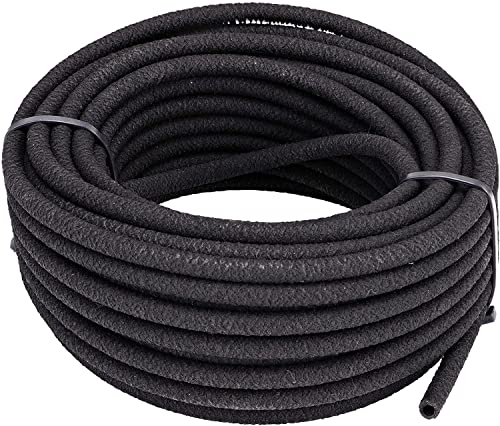
Slowly waters the soil around your plants for complete root zone hydration; Ideal for short runs on flat surfaces, such as vegetable gardens, borders, and around small plants
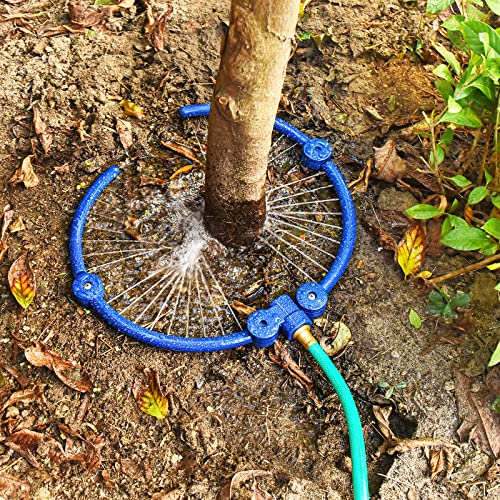
【Specially Designed for Trees and Shrubs】 The Watering Ring is a multi-purpose irrigation ring that attaches to a garden hose to efficiently water young trees shrubs vegetables or flower beds using drip or trickle irrigation.It directs water to the root perimeter of the plant to give them a good start during the first two growing seasons or through periods of drought.

【Even & Consistent Root Watering】Features micro-pore seepage technology that distributes water evenly along the entire hose, transforming spot watering into uniform line watering directly to plant roots. Unlike traditional drip irrigation systems with clog-prone emitters, this soaker hose creates a continuous moisture band for healthier, deeper-rooted plants
Walnut Tree Pest Control Techniques
Effective pest control is essential for maintaining healthy walnut trees in Oregon’s unique climate. This section explores various techniques tailored to combat common pests, ensuring optimal growth and yield. By understanding these methods, growers can better protect their walnut trees from potential threats.
Walnut trees are susceptible to various pests and diseases that can affect their growth and nut quality. Regular monitoring and proactive management can mitigate these risks.
Common pests include:
Walnut Husk Fly: Affects nut quality; use insect traps to monitor and control.
Crown Gall: A bacterial disease that causes galls on roots; ensure proper planting techniques to prevent infection.
Implementing an integrated pest management strategy can help maintain tree health.
Recommended Products
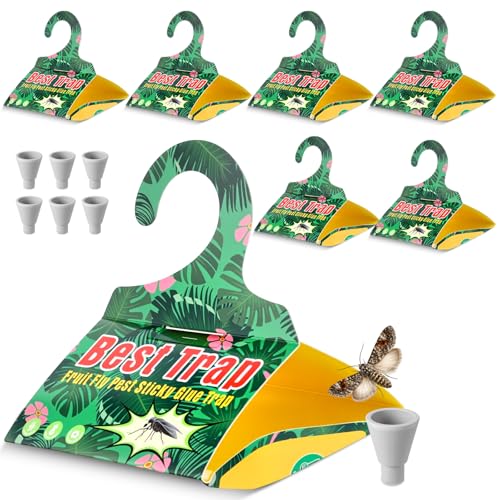
Targeted Trapping for codling moth: designed to attract codling moth species using species-specific pheromone lures; Helps monitor and reduce adult moth activity around apple trees, orchards, and home gardens

Attracts greater & lesser Peach Tree Borers (Synanthedon exitiosa) as well as many other clearwing moth species

IMPRESSIVE TREE COVERAGE: Catchmaster's Tree Shield Insect Barrier is a heavy-duty crawling and flying insect trap. The tree shield measures 30 feet long, allowing you to protect more of your trees in less time. The 30-foot rolls can be easily cut to adapt to different tree and plant sizes throughout your property
Optimal Walnut Harvesting Techniques
Harvesting walnuts in Oregon requires a keen understanding of the region’s unique climate and soil conditions. Employing the right techniques not only maximizes yield but also ensures the quality of the nuts. This section delves into the most effective methods for harvesting walnuts, tailored specifically for the Pacific Northwest environment.
Harvesting walnuts at the right time is crucial for quality. Nuts should be harvested when the outer husk begins to split.
Follow these steps for effective harvesting:
Monitor Ripeness: Check nuts regularly as the harvest season approaches.
Harvest Carefully: Use a nut gatherer or hand-pick to avoid damaging the tree.
Dry Nuts: Spread harvested nuts in a single layer to dry for several weeks.
Store Properly: Store dried nuts in a cool, dry place to maintain freshness.
Walnut Cultivation Logistics in Oregon
Walnut cultivation in Oregon presents unique logistical challenges and opportunities shaped by the region’s climate and soil conditions. Understanding the specific requirements for planting, maintaining, and harvesting walnuts is essential for successful production. This section delves into the practical aspects of walnut farming, including site selection, irrigation, and pest management tailored to Oregon’s environment.
Understanding the logistics of walnut cultivation can streamline the process and enhance productivity. Consider the following factors:
Spacing: Plant trees 30-40 feet apart to allow for growth.
Timing: Plant in early spring or fall for optimal establishment.
Local Resources: Utilize local agricultural extensions for guidance on best practices.
Incorporating these logistics into your planting plan can lead to a successful walnut harvest.
