

Are your fruit trees looking a bit overgrown? You’re not alone. Many gardeners struggle with knowing when to cut back their trees for the best results. Timing can make all the difference between a bountiful harvest and a lackluster one.
Key Takeaways
- Optimal Pruning Season: The best time to prune fruit trees is during their dormant season—late winter or early spring—to promote healthy growth.
- Types of Pruning Cuts: Thinning cuts enhance light and air circulation, heading cuts stimulate new growth, and renewal cuts rejuvenate older trees for better yields.
- Signs of Pruning Necessity: Look for overcrowded branches, poor fruit production, and dead or diseased wood as indicators that your tree requires pruning.
- Climate and Species Considerations: Different tree species and local climate conditions impact the ideal timing for pruning, so adjust your schedule accordingly.
- Maintaining Tools: Use clean, sharp tools such as bypass pruners, loppers, and saws to ensure effective pruning and prevent disease transmission.
- Pruning Techniques: Aim to only remove 20-30% of the tree’s branches to avoid stressing the tree and ensure proper photosynthesis for optimal growth.
Understanding Fruit Tree Pruning
Fruit tree pruning involves removing specific branches to improve tree growth and fruit production. Timing plays a crucial role in this process. Pruning affects how well trees develop and how much fruit they produce.
Timing of Pruning
Pruning typically occurs during the tree’s dormant season, which is late winter or early spring. At this time, trees are not actively growing, making it easier to see the structure of branches. Dormant pruning encourages healthy growth when the tree begins its new cycle.
Types of Pruning Cuts
- Thinning Cuts: Thinning involves removing entire branches that overcrowd the tree. This enhances sunlight penetration and air circulation, promoting overall tree health.
- Heading Cuts: Heading cuts shorten branches back to a bud or lateral branch. This encourages new growth and is particularly useful for shaping the tree or stimulating fruit production.
- Renewal Cuts: Renewal cuts are more drastic and entail cutting back older branches to stimulate new growth from the base. This method rejuvenates the tree and encourages larger fruit yields.
Tools Needed for Pruning
- Bypass Pruners: Ideal for small branches (up to ¾ inch in diameter).
- Loppers: Suitable for medium branches (¾ inch to 1½ inches).
- Pruning Saw: Best for larger branches (1½ inches and above).
- Gloves: Protect hands during the process.
Signs Your Tree Needs Pruning
- Overcrowded branches restrict sunlight.
- Dead or diseased branches affect tree health.
- Poor fruit production indicates potential structural issues.
- Maintain a clean, sharp tool to ensure smooth cuts.
- Make cuts at a 45-degree angle to promote water drainage.
- Avoid cutting too much; removing 20-30% of the tree’s total branches is ideal.
By understanding these fundamental aspects of fruit tree pruning, you can significantly enhance your tree’s health and maximize your harvest.
Factors Influencing Pruning Timing
Pruning timing depends on various factors, ensuring fruitful growth and harvest.
Tree Species
Different fruit tree species require specific pruning timings. For example, stone fruits like cherries and plums benefit from pruning in late winter. Apple and pear trees thrive when pruned in early spring. Knowing your tree species helps optimize growth and stimulates fruit production.
Climate Considerations
Climate significantly impacts when to prune fruit trees. In warmer climates, trees may enter dormancy sooner, allowing for earlier pruning. Conversely, in colder regions, winter may prolong dormancy. Monitor your local weather and adjust pruning schedules accordingly to promote healthy tree growth and enhance fruit yields.
Recommended Pruning Seasons
Pruning fruit trees at the right times enhances their health and productivity. The ideal seasons for pruning vary based on the type of tree and local climate.
Winter Pruning
Winter pruning typically occurs during the tree’s dormant phase, from late winter to early spring. This timing offers several advantages. You’ll easily identify the tree structure without foliage obstructing your view. You can make more precise cuts, encouraging healthy growth for the upcoming season.
For stone fruits, such as cherries and plums, late winter is optimal. These trees benefit from pruning before they break dormancy, promoting vigorous growth. Use clean, sharp tools for effective cuts. Aim for thinning cuts to reduce crowding and improve air circulation, which helps prevent disease.
Summer Pruning
Summer pruning occurs after fruit trees have finished producing fruit, usually between late June and early August. This method focuses on controlling tree size and shaping. When pruning in summer, it’s essential to avoid excessive removal of foliage. Keep about 20-30% of the tree’s leaf area intact to ensure proper photosynthesis.
You can apply heading cuts to encourage a bushier tree and promote new fruiting wood. This technique works particularly well for apple and pear trees. Always monitor the tree’s response and adjust your approach accordingly. Hotter climates may necessitate earlier summer pruning, so be mindful of your region’s weather conditions.
By understanding the right seasons for pruning, you enhance your fruit trees’ growth and yield.
Signs That Your Fruit Trees Need Pruning
Recognizing when your fruit trees need pruning ensures optimal growth and fruit production. Here are key signs to look for:
Recommended Products

CLEAN CUTS FOR LIVE GROWTH: Bypass blade design is ideal for pruning delicate flower stems and green growth, helping reduce crushing and plant damage while cutting stems and small branches up to 5/8” in diameter
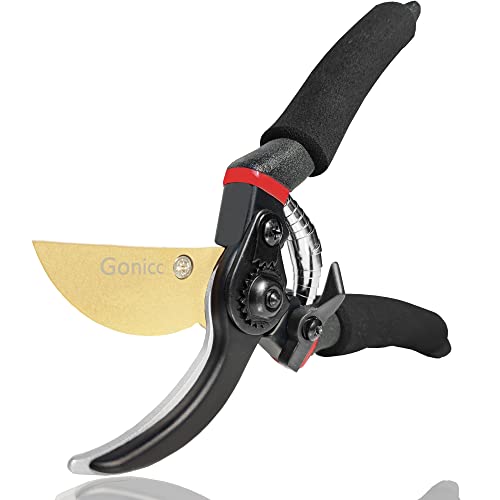
Drop-forged construction delivers exceptional durability and sturdiness for long-term heavy garden use.

IDEAL BRANCH TRIMMER: 28" Steel blade garden bypass lopper that glides through up to 1.5" thick branches for easy cuts; Works well for trimming tree branches to maintain your yard and garden, and to encourage overall plant health and appearance
Overcrowded Branches
Overcrowded branches block sunlight and restrict airflow. If branches crisscross or grow too closely, they compete for resources, leading to weaker growth and lower fruit quality. Aim to create space between branches for better light penetration.
Poor Fruit Production
Declining fruit production can signal the need for pruning. If you notice fewer fruits than previous years, it might be time to remove older, less productive branches. This helps redirect energy towards healthier growth and fruiting.
Dead or Diseased Wood
Look for dead, damaged, or diseased wood on your trees. Removing these branches prevents the spread of disease and allows for healthier regrowth. Regular checks after storms or harsh weather can help you catch these issues early.
Unruly Growth
If your fruit tree appears unruly, it likely needs pruning. Trees that grow too tall or wide can hinder accessibility for harvest and maintenance. Pruning helps maintain a manageable shape and size.
New Growth Patterns
Watch for unusual growth patterns. If your tree develops excessive vertical growth or produces water sprouts—thin, vigorous shoots—you may need to prune. These shoots divert energy from fruit production and can lead to an unbalanced tree structure.
Poor Air Circulation
Check for poor air circulation within the tree. If leaves remain damp for extended periods, mold or diseases might develop. Proper pruning opens up the canopy, allowing air and sunlight to reach all areas of the tree.
Seasonal Timing
Notice your tree’s growth phase. Pruning during dormancy—late winter or early spring—can enhance health and production. Timing plays a crucial role in the effectiveness of your pruning efforts.
Regularly assessing these signs ensures your fruit trees thrive. Keeping an eye out for these indicators allows you to take timely action and enjoy a bountiful harvest.
Conclusion
Knowing when to cut back your fruit trees is key to enjoying a fruitful harvest. By pruning during the right season and recognizing the signs that indicate your trees need attention, you can promote healthier growth and maximize fruit production.
Remember to use the right tools and techniques to ensure your trees thrive. Whether you’re working with stone fruits or apples and pears, timing your cuts can make all the difference.
Stay attentive to your trees and enjoy the rewards of your hard work each growing season. Happy pruning!
Frequently Asked Questions
When is the best time to prune fruit trees?
Pruning should typically occur during the tree’s dormant season, which is late winter to early spring. This timing allows better visibility of branch structure and encourages healthy growth.
What are the benefits of pruning fruit trees?
Pruning improves air circulation, enhances fruit production, and encourages overall tree health by removing overcrowded or diseased branches, allowing for better light penetration.
What tools do I need for pruning fruit trees?
Essential tools include bypass pruners, loppers, and pruning saws. Keeping these tools clean and sharp ensures effective and proper cuts.
How can I tell if my fruit tree needs pruning?
Signs include overcrowded branches blocking sunlight, poor fruit production, dead or diseased wood, and unusual growth patterns. Regular assessments help determine the right time for pruning.
What types of pruning cuts should I use?
Use thinning cuts to reduce overcrowding, heading cuts to stimulate new growth, and renewal cuts to rejuvenate older branches. Each cut serves a specific purpose for tree health.
Does pruning timing vary by fruit tree type?
Yes, different species require specific timing. For example, stone fruits like cherries and plums are best pruned in late winter, while apples and pears thrive when pruned in early spring.
What is summer pruning?
Summer pruning occurs after fruit production, typically from late June to early August. Its aim is to control tree size, shape, and promote new fruiting wood while preserving 20-30% of leaf area for photosynthesis.
How can climate affect pruning schedules?
Warmer regions may allow for earlier pruning due to shorter dormancy periods, while colder areas might need adjustments based on prolonged dormancy. Always consider your local climate when planning pruning.
