
Close Menu
    Fruit Tree Hub
    • Home
    • Apple Trees
    • Lemon Trees
    • Mango Trees
    • Orange Trees
    • More Trees
      • Best Fruit Trees
      • Apricot Trees
      • Cherry Trees
      • Fig Trees
      • Lime Trees
      • Mulberry Trees
      • Peach Trees
      • Pear Trees
      • Plum Trees
      • Pomegranate Trees
    • Tips and Advice
      • Tools
    • About Us
      • Contact
      • Privacy Policy
    Fruit Tree Hub
    Home»Fruit Trees»Papaya Trees»Can Papaya Trees Be Grown Indoors
    Papaya Trees

    Can Papaya Trees Be Grown Indoors

    Lucy SmithBy Lucy SmithFebruary 13, 20245 Mins Read
    Share Facebook Twitter Pinterest WhatsApp Email
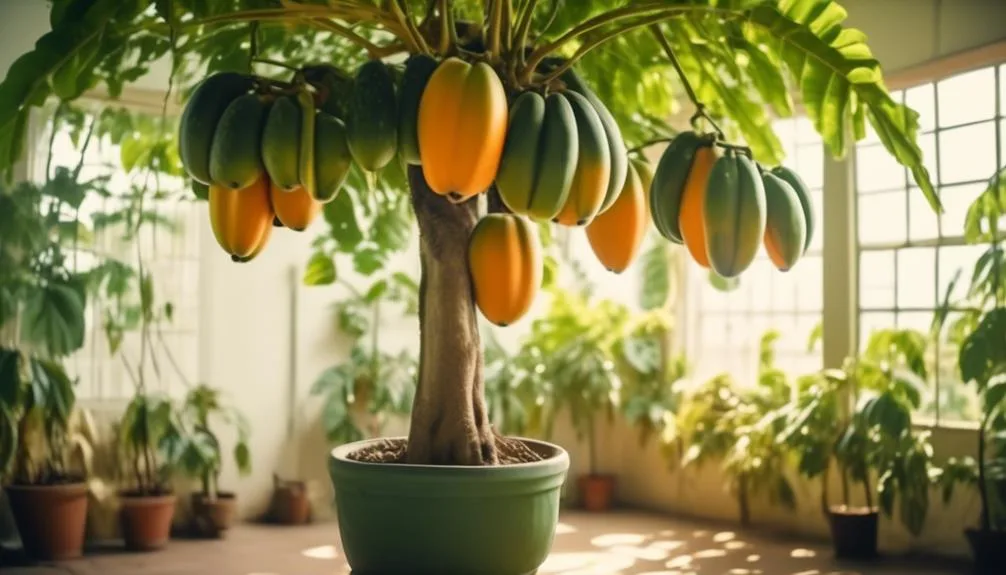
    growing papaya trees indoors
    Share
    Facebook Twitter LinkedIn Pinterest Telegram Email

    Growing papaya trees indoors is totally doable. But it's not as simple as just sticking a seed in a pot and hoping for the best.

    Contents show
    1 Key Takeaways
    2 Suitable Indoor Conditions for Papaya Trees
    3 Choosing the Right Papaya Variety for Indoor Growth
    4 Potting and Soil Requirements for Indoor Papaya Trees
    5 Watering and Feeding Indoor Papaya Trees
    6 Managing Pests and Diseases for Indoor Papaya Trees
    7 Conclusion

    There are specific things you need to know and do in order to make it work. It's definitely a bit of work, but the payoff of having your own homegrown papayas is pretty awesome.

    Key Takeaways

    • Papaya trees require ample sunlight, at least 6 hours of direct sunlight daily, and should be placed near a south-facing window for maximum sunlight exposure. Supplement with grow lights if natural light is insufficient.
    • It is important to choose papaya varieties that adapt well to lower light levels and can withstand temperature fluctuations. Varieties like 'T.R. Hovey' and 'Waimanalo' are suitable for indoor growth, and 'Red Lady' and 'Solo' are suitable for indoor cultivation.
    • Use a container that is at least 20 inches in diameter with drainage holes, and opt for a well-draining mix of potting soil and perlite. Feed the trees with a balanced fertilizer every 2-3 months, and ensure the soil is consistently moist but not waterlogged to prevent root rot.
    • Keep the soil consistently moist but avoid waterlogging, and feed the trees with a balanced fertilizer every 4-6 weeks during the growing season. Provide at least 6 hours of sunlight daily, supplementing with artificial grow lights if needed. Prune dead or damaged branches to promote healthy growth and fruit production. Regularly inspect leaves and fruits for signs of infestation or illness, and introduce natural pest control methods like ladybugs or neem oil. Practice good sanitation by removing fallen leaves or fruits, and consider disease-resistant papaya tree varieties.
    MUST READ
    How to Identify Different Papaya Tree Varieties

    Suitable Indoor Conditions for Papaya Trees

    To successfully grow papaya trees indoors, you'll need to ensure they receive ample sunlight, maintain a consistent temperature, and provide well-draining soil.

    Indoor lighting is crucial for papaya trees as they require at least 6 hours of direct sunlight daily. Consider placing them near a south-facing window to maximize sunlight exposure. If natural light is insufficient, supplement with grow lights to ensure the trees thrive.

    Temperature control is equally important. Papaya trees prefer temperatures between 70-90°F during the day and slightly cooler at night. Avoid exposing them to temperatures below 50°F as it can stunt their growth. Additionally, ensure the indoor environment is consistently warm and draft-free.

    Choosing the Right Papaya Variety for Indoor Growth

    Considering the suitable indoor conditions for papaya trees, it's crucial to select the right papaya variety that's well-suited for indoor growth. When choosing a papaya variety for indoor cultivation, consider the lighting requirements and temperature control.

    Some papaya varieties, such as the 'T.R. Hovey' and 'Waimanalo' are known to adapt well to indoor environments with lower light levels. These varieties are ideal for indoor growth as they can thrive under artificial lighting, making them suitable for cultivation in homes or greenhouses.

    Additionally, selecting a papaya variety that can withstand fluctuations in temperature, such as the 'Red Lady' or 'Solo', is essential for successful indoor papaya cultivation.

    Recommended Products
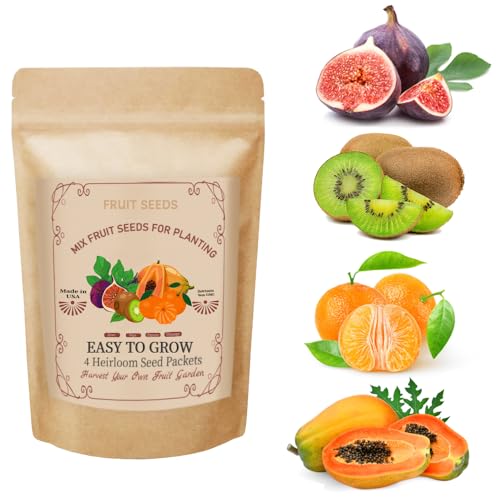
    300+ Mix Heirloom Fruit Seeds Kiwi Fig Papaya Orange Seeds 4 Varieties Individually Packaged for Home Garden
    300+ Mix Heirloom Fruit Seeds Kiwi Fig Papaya Orange Seeds 4 Varieties Individually Packaged for Home Garden

    4 most popular fruits Kiwi Seeds (Actinidia Lindl.) Fig Seeds (Ficus carica) Papaya Seeds (Carica papaya) Orange Seeds (Citrus × sinensis) each variety is individually packaged and labeled with a product label for your easy identification

    MUST READ
    The Best Soil Types for Papaya Trees
    VIEW LATEST PRICE

    As an affiliate, we earn on qualifying purchases.

    Bonsai Fruit Tree Seeds Bundle, 4 Pack – 10 Papaya, 10 Peach, 10 Cherry, 10 Banana – Grow Miniature Fruit Trees – Exotic Indoor & Outdoor Bonsai Plant Kit – Garden Starter Seed Pack
    Bonsai Fruit Tree Seeds Bundle, 4 Pack – 10 Papaya, 10 Peach, 10 Cherry, 10 Banana – Grow Miniature Fruit Trees – Exotic Indoor & Outdoor Bonsai Plant Kit – Garden Starter Seed Pack

    🌱 4 Unique Fruit Bonsai Varieties: Includes 40 total seeds: 10 Papaya, 10 Peach, 10 Cherry, and 10 Banana seeds. A fun and unique collection for growing miniature fruit trees and experimenting with bonsai growing techniques.

    VIEW LATEST PRICE

    As an affiliate, we earn on qualifying purchases.

    100% Natural Sun Dried Papaya Seeds | High Papaya Enzyme (Papain) Content | No Additives | Vegan | Laboratory Tested | Gluten & Lactose Free | Ethycally sourced (approx 1000 kernels ~ 15g)
    100% Natural Sun Dried Papaya Seeds | High Papaya Enzyme (Papain) Content | No Additives | Vegan | Laboratory Tested | Gluten & Lactose Free | Ethycally sourced (approx 1000 kernels ~ 15g)

    ✔️ Natural, sun died papaya seeds: Our papaya seeds are naturally collected and dried under the sun. Gently processed, 100% vegan, gluten free, lactose free and without additives.

    VIEW LATEST PRICE

    As an affiliate, we earn on qualifying purchases.

    Potting and Soil Requirements for Indoor Papaya Trees

    For successful indoor papaya cultivation, it is essential to understand the potting and soil requirements that will support the growth of your papaya tree. When it comes to potting, choose a container that is at least 20 inches in diameter and has drainage holes to prevent waterlogging. As for soil, a well-draining mix of potting soil and perlite is ideal. Here's a helpful breakdown:

    AspectRequirement
    Container OptionsChoose a large container with drainage holes.
    Soil TypeUse a well-draining mix of potting soil and perlite.
    Fertilizer NeedsFeed with a balanced fertilizer every 2-3 months.
    MUST READ
    Can Papaya Trees Grow in Cold Climates

    Watering and Feeding Indoor Papaya Trees

    Ensuring proper watering and feeding is crucial for the healthy growth of your indoor papaya trees. When it comes to watering, it's essential to keep the soil consistently moist but not waterlogged. Papaya trees prefer well-draining soil, so be mindful of not overwatering, as it can lead to root rot.

    During the growing season, feed your indoor papaya trees with a balanced fertilizer every 4-6 weeks to provide them with the necessary nutrients for healthy growth. Additionally, consider supplementing with micronutrients like iron, zinc, and magnesium to support overall health and fruit development.

    When it comes to lighting, ensure your indoor papaya tree receives at least 6 hours of sunlight daily, and consider using artificial grow lights if natural light is limited.

    As for pruning, remove any dead or damaged branches to promote healthy growth and fruit production.

    Recommended Products

    Pendelton Turf Supply Jackpot Micronutrient Liquid Fertilizer Mix | Indoor & Outdoor | for Plants, Flowers, Vegetable Gardens, Trees, Shrubs & Lawns (32oz)
    Pendelton Turf Supply Jackpot Micronutrient Liquid Fertilizer Mix | Indoor & Outdoor | for Plants, Flowers, Vegetable Gardens, Trees, Shrubs & Lawns (32oz)

    DESCRIPTION: Jackpot Micronutrient Mix contains additional micronutrients, beyond the basic three essential nutrients: Nitrogen, Phosphorus, and Potassium (NPK), to supplement plant growth and keep soil healthy.

    VIEW LATEST PRICE

    As an affiliate, we earn on qualifying purchases.

    Farmer's Secret Palm Tree Booster Fertilizer - Super Concentrated 4-15-12 Formula - Formulated for All Types of Palm Trees at All Life Stages - Outdoor and Indoor/Container Trees (8oz)
    Farmer's Secret Palm Tree Booster Fertilizer - Super Concentrated 4-15-12 Formula - Formulated for All Types of Palm Trees at All Life Stages - Outdoor and Indoor/Container Trees (8oz)

    Everything your palm tree needs to grow healthy and big - The ideal blend of macronutrients plus trace amounts of iron and zinc (our secret ingredients for palms)

    MUST READ
    Why Do Papaya Trees Have Large Leaves
    VIEW LATEST PRICE

    As an affiliate, we earn on qualifying purchases.

    0-0-4 Fertilizer with Micronutrients and Iron - Blackout Lawn Fertilizer - Nutrigreen (50 lbs)
    0-0-4 Fertilizer with Micronutrients and Iron - Blackout Lawn Fertilizer - Nutrigreen (50 lbs)

    Full of Micro Nutrients for adding in Micros

    VIEW LATEST PRICE

    As an affiliate, we earn on qualifying purchases.

    Managing Pests and Diseases for Indoor Papaya Trees

    To effectively manage pests and diseases for your indoor papaya trees, regularly inspect the leaves and fruits for any signs of infestation or illness.

    Here are some strategies to help keep your papaya trees healthy and thriving:

    • Introduce natural pest control methods such as ladybugs or neem oil to combat common pests like aphids and mites.
    • Practice good sanitation by removing any fallen leaves or fruits to prevent the spread of diseases.
    • Consider using disease-resistant papaya tree varieties to minimize the risk of infections.
    • Implement proper air circulation to reduce the likelihood of fungal diseases.
    • Use organic fungicides or bactericides as part of your disease prevention strategies, ensuring they're safe for indoor use.

    Conclusion

    In summary, growing papaya trees indoors requires attention to light, warmth, and space, along with the selection of a suitable variety and proper care.

    By providing the right conditions and addressing potential issues, you can successfully cultivate your own homegrown papayas.

    Consider the joy of enjoying tropical fruits within your indoor space, and embrace the rewarding experience of nurturing a papaya tree to maturity.

    Share. Facebook Twitter Pinterest LinkedIn Tumblr Email
    lucy smith
    Lucy Smith
    • Website

    Lucy Smith is a highly experienced horticulturist with a passion for fruit tree cultivation. She holds a degree in Horticulture from the University of California, Davis, and has worked in various roles in the industry. With over 10 years of experience, Lucy is dedicated to using eco-friendly methods for sustainable gardening practices.

    Related Posts

    Why Do Papaya Trees Produce Fruit Continuously

    February 19, 2024

    Can Papaya Trees Adapt to Climate Change

    February 19, 2024

    Creating a Wildlife Habitat With Papaya Trees

    February 19, 2024

    Where Are Papaya Trees Considered Invasive

    February 19, 2024

    Is Papaya Tree Pollen Allergenic

    February 19, 2024

    Can Papaya Trees Be Used in Traditional Medicine

    February 19, 2024
    Leave A Reply Cancel Reply

    Affiliate Disclosure

    As an Amazon Associate I earn from qualifying purchases.

    Recommended Reading

    Banana Trees in Idaho: Cold-Climate Growing Solutions

    How to Make Lemon Tree Bear Fruit Faster: Proven Tips for a Bountiful Harvest

    What Fruit Trees Grow Best in Missouri: Top Varieties for a Thriving Garden

    Avocado Trees in Florida: Subtropical Varieties for Success

    How to Help Avocado Tree Fruit: Tips for Thriving Growth and Bountiful Harvests

    Mastering Grapevine Growth: Essential Tips for Growing Grapes Successfully

    How to Grow a Healthy Honey Tangerine Tree: Tips for Cultivation and Harvesting

    What Do I Spray My Fruit Trees With for Healthier Growth and Better Harvests

    What Fruit Trees Do You Need Two Of for Optimal Pollination and Healthy Harvests

    Which Fruit Trees Need the Most Sun for Optimal Growth and Delicious Harvests

    Fruit Tree Hub

    Fruit Tree Hub is a website dedicated to providing you everything you need to grow fruit trees successfully at in your own yard.

    Contact us at: [email protected]

    - AFFILIATE DISCLOSURE: As an Amazon Associate I earn from qualifying purchases.

    Latest Posts

    18 Halloween Crochet Blanket Ideas Featuring Pumpkins, Ghosts, and Seasonal Motifs

    20 Festive Fall Crochet Blanket Ideas in Rust, Mustard, and Earthy Tones

    25 Chunky Crochet Blanket Ideas Using Bulky Yarn for Thick Texture

    24 Filet Crochet Blanket Ideas Featuring Openwork Motifs

    19 Simple One-Color Crochet Blanket Ideas for Minimalist Designs

    22 Dreamy Crochet Temperature Blanket Ideas for Year-Long Color Tracking

    18 Lightweight Crochet Picnic Blanket Ideas for Outdoor Use

    20 Practical Crochet Pet Blanket Ideas for Dogs and Cats

    Categories
    • Almond Trees
    • Apple Trees
    • Apricot Trees
    • Best Fruit Trees
    • Blackberry
    • Cantaloupe
    • Cherry Trees
    • Christmas Crochet Ideas
    • Crochet Bag Ideas
    • Crochet Blanket Ideas
    • Crochet Ideas
    • Crochet Ideas for Beginners
    • Cucamelon
    • Easy Crochet Ideas
    • Easy Knitting Projects
    • Fall Crochet Ideas
    • Fig Trees
    • Grapefruit Trees
    • Grapes
    • Guava Trees
    • Halloween Crochet Ideas
    • Honeydew
    • Jujube Trees
    • Kiwi
    • Knitting For Beginners
    • Knitting Ideas
    • Knitting Inspiration
    • Lemon Trees
    • Lime Trees
    • Loquat Trees
    • Mango Trees
    • Mulberry Trees
    • Nectarine Trees
    • Olive Trees
    • Orange Trees
    • Papaya Trees
    • Peach Trees
    • Pear Trees
    • Persimmon Trees
    • Planting
    • Plum Trees
    • Pomegranate Trees
    • Quince Trees
    • Raspberry
    • Reviews
    • Small Crochet Ideas
    • Star Fruit Trees
    • Summer Crochet Ideas
    • Tamarind Trees
    • Tangerine Trees
    • Tips and Advice
    • Tools
    • Uncategorized
    • Walnut Trees
    • Winter Crochet Ideas
    © 2026 Fruit Tree Hub
    • Home
    • About Us
    • Contact
    • Privacy Policy
    • Terms and Conditions
    • Disclaimer
    • Editorial Policy
    • Affiliate Disclosure

    Type above and press Enter to search. Press Esc to cancel.