

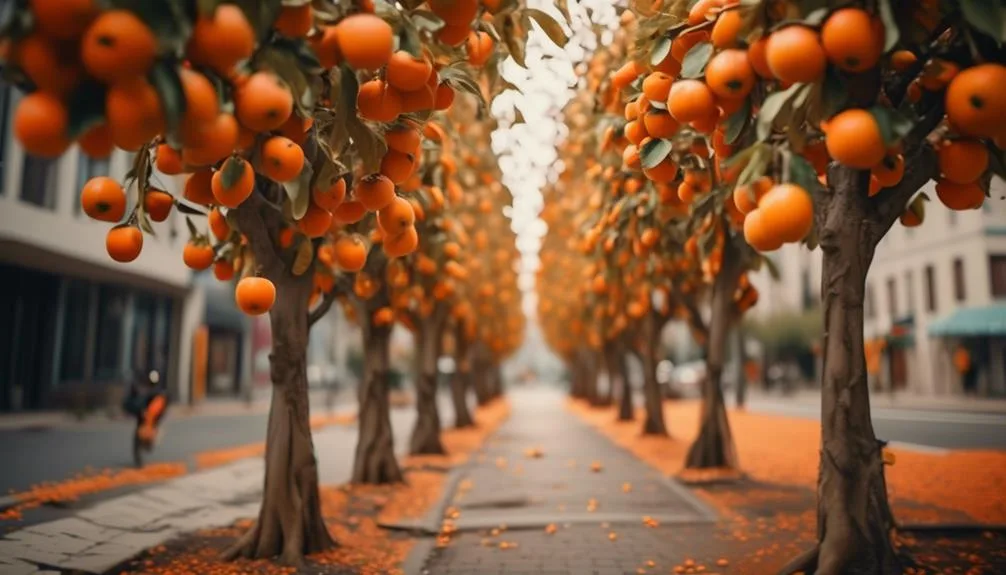
Considering planting persimmon trees on city streets? Many people are interested in this idea. Persimmon trees offer beauty and practical benefits in urban areas.
Before making a decision, it's important to understand the growing conditions, advantages, challenges, maintenance, and different varieties available. There's a lot to learn about this potential endeavor.
Key Takeaways
- Persimmon trees are suitable for street planting as they enhance urban aesthetics and promote environmental sustainability.
- They improve air quality by absorbing pollutants and releasing oxygen, acting as natural cooling systems to reduce the urban heat island effect.
- However, there are potential challenges such as root compaction, poor soil quality, and tree size that need to be addressed through proper soil management, tree selection, and placement.
- Maintenance and care, including regular pruning and adequate watering, are crucial for the health and growth of persimmon trees in urban environments.
Growing Conditions for Persimmon Trees
To ensure healthy persimmon tree growth, provide optimal growing conditions such as well-drained soil and full sun exposure. Persimmon trees thrive in loamy, well-drained soil with a pH of 6.5-7.5. Make sure the soil is moist but not waterlogged, as persimmon trees are susceptible to root rot in waterlogged conditions.
Additionally, persimmon trees require full sun exposure for at least six hours a day during the growing season. The growing season for persimmon trees is from spring through fall. It's essential to ensure that the soil retains moisture without becoming waterlogged, especially during the growing season.
Benefits of Planting Persimmon Trees on Streets
Enhance urban aesthetics and promote environmental sustainability by planting persimmon trees along streets, providing beauty and ecological benefits to the community.
Persimmon trees offer numerous environmental benefits when planted on streets. They help improve air quality by absorbing pollutants and releasing oxygen. The trees also act as natural cooling systems, reducing the urban heat island effect and providing shade during hot days.
Additionally, persimmon trees contribute to the overall aesthetics of the community, enhancing the visual appeal of the streets and creating a more pleasant environment for residents and visitors. Their vibrant foliage and colorful fruits add to the charm of the surroundings.
Potential Challenges of Street Planting With Persimmon Trees
Challenges may arise when considering street planting with persimmon trees, despite the numerous environmental benefits and visual appeal they offer to urban communities.
One significant concern is root compaction. Urban environments often have compacted soil due to construction and foot traffic, which can restrict the tree's ability to access water and nutrients.
Another challenge is poor soil quality in urban areas. This can impact the overall health and growth of persimmon trees, as they may not receive the necessary nutrients and support from the soil.
Pedestrian safety is also a consideration. Large persimmon trees can obstruct walkways and create hazards. It is crucial to consider tree size and placement to ensure that they do not pose a risk to pedestrians.
Furthermore, the potential size of persimmon trees should be taken into account. Some varieties can grow quite large, which could cause issues with overhead power lines and nearby structures.
Addressing these challenges is essential to ensure successful street planting with persimmon trees. Proper soil management, careful tree selection, and thoughtful placement can help overcome these obstacles and allow the benefits of persimmon trees to be enjoyed in urban communities.
Maintenance and Care for Persimmon Trees in Urban Environments
In urban environments, caring for persimmon trees requires regular maintenance to ensure their health and vitality. Proper pruning techniques are essential for shaping the tree, removing dead or diseased branches, and promoting fruit production. It's important to prune persimmon trees during the dormant season to encourage strong new growth in the spring.
When it comes to watering requirements, persimmon trees need consistent moisture, especially during the establishment period. Adequate watering is crucial for young trees, while mature trees benefit from deep, infrequent soakings. Keep in mind that overwatering can lead to root rot, so it's important to find the right balance.
Considerations for Choosing Persimmon Tree Varieties for Street Planting
When selecting persimmon tree varieties for street planting, consider the local climate and soil conditions to ensure the trees will thrive in the urban environment. Look for disease-resistant varieties to prevent common issues and ensure the longevity of the trees.
Additionally, consider the size of the tree at maturity to avoid interference with power lines or nearby buildings. Pruning techniques are crucial for street trees to maintain their shape and prevent obstruction of walkways.
Seek out varieties that are known for their ability to withstand urban pollution and compacted soil. Lastly, consult with local arborists or horticulturists for recommendations on suitable persimmon tree varieties for street planting.
Recommended Products
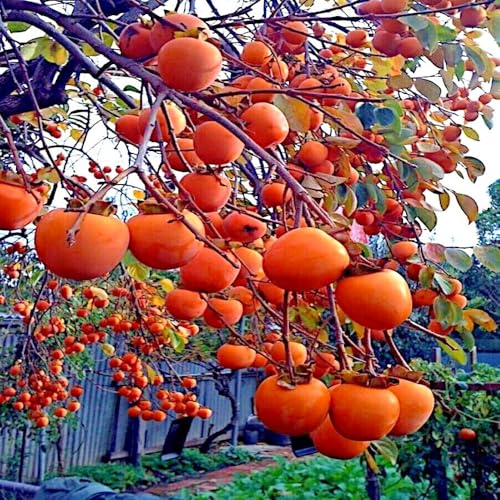
Cold Hardiness: Cold hardy Diospyros seeds survive temperatures down to 10°F once established; Suitable for growing in USDA zones 7-10; More tolerant of temperature fluctuations than many other fruit trees
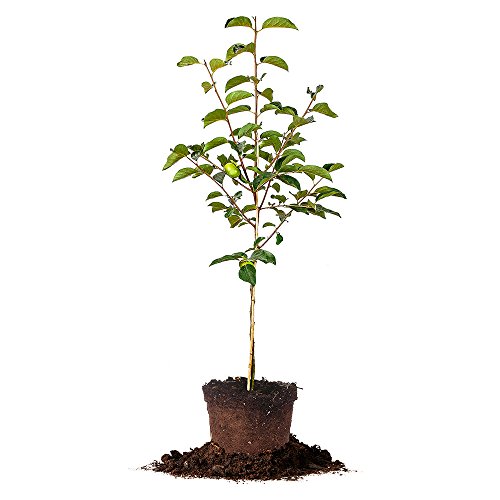
The Fuyu Persimmon is a non-astringent, sweet, delicious treat

Multi-Variety Seeds: Contains lemon, apple, blueberry, orange, and cherry seeds, totaling over 150 seeds.
Conclusion
In urban environments, persimmon trees offer shade, beauty, and delicious fruit, making them a valuable addition to city streets.
With proper care, these trees can thrive in city settings, though it's important to consider the specific variety and potential challenges.
Overall, persimmon trees have the potential to enhance urban streetscapes, providing both aesthetic and practical benefits for communities to enjoy.
