

Have you ever wondered how often cherry trees bear fruit? If you’re dreaming of a bountiful harvest or simply curious about these beautiful trees, you’re not alone. Many people love the idea of growing cherry trees in their backyards but aren’t sure what to expect when it comes to fruit production.
Key Takeaways
- Cherry Tree Types: Understanding the difference between sweet (Prunus avium) and sour (Prunus cerasus) cherry trees is essential for selecting the right variety for your garden.
- Fruit Production Timeline: Cherry trees typically start bearing fruit 3 to 5 years after planting, with sweet cherries producing earlier than sour cherries.
- Pollination Requirements: Cross-pollination is crucial for most cherry trees to maximize fruit yield; planting compatible varieties close together can enhance production.
- Optimal Growing Conditions: Cherry trees thrive in well-drained soil with full sun exposure and require a winter chill of approximately 1,000 hours below 45°F for effective fruiting.
- Maintenance and Monitoring: Regular pruning, pest control, and soil quality checks are vital for maintaining tree health and ensuring abundant fruit harvests.
- Harvest Timing: Cherry fruits typically ripen in late spring to early summer; peak flavor is achieved when harvested at their brightest color and firmness.
Overview of Cherry Trees
Cherry trees, belonging to the genus Prunus, come in various species, each with unique characteristics. Most commonly, sweet cherries (Prunus avium) and sour cherries (Prunus cerasus) are grown for their fruit. Understanding these species helps in choosing the right tree for your garden.
Growth Habits
Cherry trees grow best in well-drained soil with full sun exposure. They typically reach a height of 20 to 30 feet, depending on the variety. Regular pruning helps maintain their shape and promotes better fruit production.
Climate Requirements
Cherry trees thrive in temperate climates, requiring distinct seasons for optimal growth. They need a winter chill of about 1,000 hours below 45°F to produce fruit effectively. Protecting trees from late spring frosts also increases chances of a successful harvest.
Fruit Production Timeline
Cherry trees usually start producing fruit 3 to 5 years after planting. However, the exact timeline varies by species and care. Sweet cherry trees tend to yield fruit earlier than sour varieties. Once they mature, trees can bear fruit annually, peaking every 2 to 3 years.
Pollination Needs
Most cherry trees require cross-pollination for better fruit set. Planting two or more compatible varieties close together enhances pollination and can significantly boost fruit yield. Factors like wind and insect activity can also influence pollination rates.
Common Problems
Pests and diseases can affect cherry trees. Aphids, leaf spot, and brown rot are common issues. Regular inspections and appropriate treatments can help manage these problems. Maintaining tree health leads to more fruitful harvests.
Harvesting
Cherry fruit ripens in late spring to early summer, varying by region and species. Look for bright color and firmness when harvesting. Picking cherries at their peak ripeness ensures the best flavor and quality.
By understanding cherry tree characteristics, climate needs, and care requirements, you can create a fruitful cherry tree experience right in your garden.
Cherry Tree Varieties
Understanding cherry tree varieties helps you select the right type for your garden. Sweet and sour cherries each offer unique flavors and growing characteristics.
Recommended Products
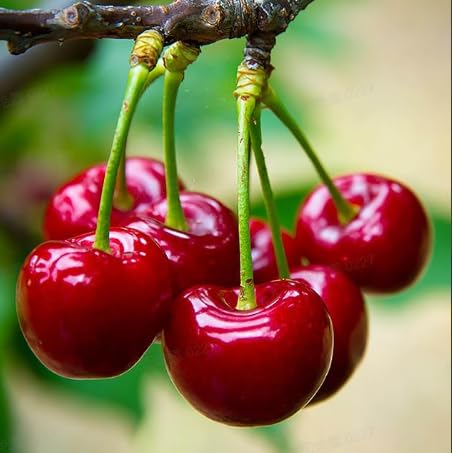
Basic Seed Attributes & Planting Scenarios: 20 Pcs Cherry Tree Seeds, non-GMO heirloom variety, with sweet and tender juicy fruits, suitable for home garden cultivation, and can be planted both indoors and outdoors.
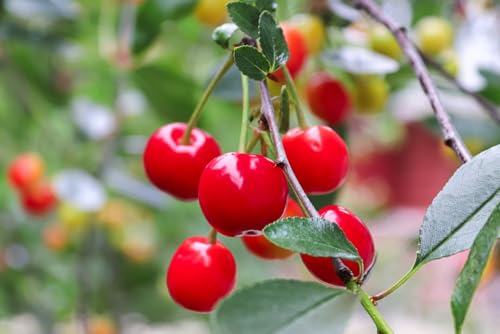
FRESH SEEDS: The Evans Cherry is a tough variety, thriving in the harsh climate of the Canadian prairies where cherries were once thought to be non-viable. Rediscovered by Ieuan Evans in an old orchard near Edmonton, Alberta, this self-pollinating sour cherry grows on its own rootstock, eliminating grafting problems and producing abundant fruit.

Seed Cherry Tree Fruit Tree Seed for Planting Outdoor-Non-GMO Heirloom Sweet Juicy Fruits Plant in Your Home Garden
Sweet Cherry Trees
Sweet cherry trees (Prunus avium) thrive in warm climates and typically produce larger, sweeter fruits. You can expect harvests starting between 3 to 5 years after planting. Popular cultivars include Bing, Rainier, and Lambert, each offering distinct taste profiles and colors. Proper pollination requires at least two different cultivars for better yield. Make sure to plant them in full sun with well-drained soil to ensure optimal growth. Pests like aphids and fungal diseases can affect sweet cherries, so regular monitoring and appropriate treatments are vital.
Sour Cherry Trees
Sour cherry trees (Prunus cerasus) adapt well to cooler climates and bear fruit that’s more tart. You can start harvesting sour cherries in about 4 to 6 years. Varieties such as Montmorency and Morello are popular, particularly for baking or making preserves. Sour cherries generally require less attention than sweet cherries in terms of pest control. They also flourish in slightly acidic soil and can tolerate partial shade. Cross-pollination is less critical for sour varieties, making them easier for beginner gardeners.
Factors Affecting Fruit Production
Cherry tree fruit production depends on various factors that influence growth and yield. Understanding these elements helps you cultivate healthier trees with more abundant fruits.
Recommended Products

KNOW BEFORE YOU GROW | Grow the healthiest, sustainable lawn and garden with the most accurate and easy to use professional soil test kit on the market

Kindly NOTE: This soil tester can not be applied to test pH value of any other liquid. If the soil is too dry the indicator will not move, and water it before testing.

Accurate Soil pH Testing: Dewildetradingco Soil pH Test Strips offer measurements of soil pH levels (pH 3.5-9). As an essential tool for every gardener and grower, these test strips help determine the optimal pH for various plants, such as outdoor plants, indoor plants, gardens, grass lawns, fruit trees, flowers, vegetables, and forest shrubs.
Age of the Tree
Age significantly impacts cherry tree fruit production. Typically, sweet cherry trees begin yielding fruit 4 to 7 years after planting, while sour varieties produce fruit a year or two earlier. Younger trees usually bear fewer fruits early on, but as they mature, production increases and stabilizes. Proper care during the formative years, including watering and fertilizing, supports healthy growth and encourages earlier fruiting.
Climate and Weather Conditions
Climate and weather conditions play crucial roles in fruit production. Cherry trees thrive in regions with a temperate climate featuring distinct seasons. They require winter chill hours—typically between 700 to 1,000 hours at temperatures below 45°F (7°C)—to ensure proper flowering and fruiting. Late spring frosts can damage blossoms, leading to reduced yields. Planting trees in sheltered areas, such as near a building or fence, helps protect them from sudden temperature drops.
Soil Quality
Soil quality directly affects cherry tree health and fruit production. Well-drained, sandy loam soil with a pH of 6.0 to 7.0 promotes optimal growth. Poor drainage leads to root rot, while overly acidic or alkaline soil can stunt tree development. Before planting, conduct a soil test to assess nutrient levels and pH. If needed, amend the soil with organic matter or fertilizers to create an ideal growing environment. Regular mulching also helps to retain moisture and maintain soil temperature.
Typical Fruit Bearing Cycle
Cherry trees typically follow a predictable fruit-bearing cycle, influenced by their species and environmental conditions. Understanding these cycles helps you manage expectations for fruit production over the years.
Recommended Products

STEADY NUTRITION: Experience Wellspring Gardens’ 20-6-9 Slow-Release Fertilizer, designed to deliver consistent nutrients over time, promoting the development of strong, healthy plants and trees.

STEADY NUTRITION: Experience Wellspring Gardens’ 20-6-9 Slow-Release Fertilizer, designed to deliver consistent nutrients over time, promoting the development of strong, healthy plants and trees.
Seasonal Patterns
Cherry trees experience distinct seasonal patterns affecting their fruit production. During spring, blossoms appear, signaling the pollination period. Sweet cherry trees bloom around mid to late spring, while sour varieties often bloom slightly earlier, generally in late April to early May. After successful pollination, fruit develops during summer. As fall approaches, cherries ripen, ready for harvest. Keeping an eye on the bloom timing in your area ensures you optimize your harvesting efforts.
Annual Yield Expectations
Yield expectations vary based on the age and species of the cherry tree.
| Tree Age (Years) | Sweet Cherry Yield (Pounds) | Sour Cherry Yield (Pounds) |
|---|---|---|
| 3-4 | 10-20 | 15-25 |
| 5-6 | 25-50 | 30-40 |
| 7+ | 50-100 | 40-80 |
Sweet cherry trees typically start yielding after 4 to 7 years. Sour cherries often produce fruit one to two years earlier. Once established, a well-cared-for tree can provide substantial harvests each year, with yields increasing steadily as the tree matures. Regular maintenance, including pruning and fertilization, enhances annual yields, ensuring your cherry tree remains healthy and fruitful.
Conclusion
Growing cherry trees can be a rewarding experience filled with beautiful blooms and delicious fruit. With the right care and attention your trees can thrive and provide you with bountiful harvests for years to come.
Remember to choose the right variety for your climate and ensure proper pollination. Regular maintenance will keep your trees healthy and productive.
So whether you’re dreaming of sweet cherries for fresh eating or sour cherries for baking, you’re on your way to enjoying the fruits of your labor. Happy gardening!
Frequently Asked Questions
How long does it take for cherry trees to bear fruit?
Cherry trees typically start bearing fruit 3 to 5 years after planting. Sweet cherry varieties often produce fruit a bit earlier than sour cherries, which might yield one to two years later.
What type of soil do cherry trees need?
Cherry trees prefer well-drained soil with good drainage. Sandy loam is ideal, as it promotes healthy root growth and helps prevent issues related to waterlogging.
Do cherry trees need full sun?
Yes, cherry trees thrive in full sun. They require at least six to eight hours of direct sunlight daily for optimal growth and fruit production.
What are the main types of cherry trees?
The two main types of cherry trees are sweet cherries (Prunus avium) and sour cherries (Prunus cerasus). Sweet cherries are larger and sweeter, while sour cherries are tart and often used for baking.
Are cherry trees self-pollinating?
Most sweet cherry trees are not self-pollinating and require cross-pollination with at least two different cultivars for optimal fruit set. Sour cherries are generally self-pollinating.
What climate is best for growing cherry trees?
Cherry trees thrive in temperate climates with sufficient winter chill hours. They are sensitive to late spring frosts, so it’s important to choose a suitable growing location.
How can I care for my cherry tree?
Regular care includes watering, fertilizing, and pruning. Ensure proper soil drainage and monitor for pests and diseases to keep your cherry tree healthy and productive.
When is the best time to harvest cherries?
Cherries should be harvested when they are fully ripe, which is typically in late summer to early fall. Look for a rich color and slight softness to ensure the best flavor.
