

Pear trees can grow in Minnesota, but success depends on selecting the right varieties and implementing specific care strategies. Cold-hardy cultivars, proper planting techniques, and diligent maintenance are essential for thriving pear trees in this northern climate.
Recommended Cold-Hardy Pear Cultivars
When considering pear trees for Minnesota’s challenging climate, selecting the right cold-hardy cultivars is essential. These varieties are specifically bred to withstand harsh winters while still producing delicious fruit. Below are some recommended cultivars that thrive in northern conditions, ensuring a successful harvest even in the face of frigid temperatures.
Choosing the right pear variety is crucial for successful growth in Minnesota. Look for cultivars specifically bred to withstand harsh winters. Recommended options include:
Harrow Delight: Known for its sweet flavor and disease resistance.
Luscious Pear: Offers excellent cold hardiness and a smooth texture.
Pineapple Pear: Features a unique flavor and good adaptability.
These varieties are more likely to survive and produce fruit in Minnesota’s challenging climate.
Minnesota Climate Impact on Pear Trees
Understanding the impact of Minnesota’s climate on pear trees is crucial for successful cultivation in the region. The state’s unique weather patterns, including temperature fluctuations and seasonal variations, can significantly affect pear tree growth and fruit production. This section explores how these climatic factors influence the health and yield of pear trees in Minnesota.
Minnesota’s climate presents several challenges for pear trees. The state experiences cold winters and varying soil conditions.
Understanding these factors can help in successful cultivation. Key considerations include:
Winter Hardiness: Pear trees must be able to withstand temperatures as low as -30°F.
Soil Type: Well-drained soil is essential to prevent root rot.
Sunlight Exposure: Pear trees require full sun for optimal growth.
Properly assessing these challenges can lead to better planting decisions.
Optimal Site Preparation for Pear Trees
Preparing the right site is crucial for successfully growing pear trees in Minnesota’s unique climate. This section outlines essential steps for soil preparation, drainage considerations, and sunlight requirements to ensure your pear trees thrive in northern conditions. Proper site preparation sets the foundation for healthy growth and fruitful harvests.
Preparing the planting site is essential for pear tree success. Follow these steps to ensure optimal conditions:
Choose a Location: Select a sunny area with good air circulation.
Test Soil pH: Aim for a pH of 6.0 to 7.0 for best results.
Amend Soil: Incorporate organic matter to improve drainage and fertility.
Creating a suitable environment will help your pear trees thrive.
Effective Planting Techniques for Pear Trees
When planting pear trees in Minnesota, understanding the local climate and soil conditions is crucial for success. This section outlines effective techniques tailored to the region, ensuring that your pear trees thrive despite the challenges posed by colder temperatures and varying soil types. Implementing these strategies will help maximize growth and fruit production in your garden.
The planting process is critical for establishing healthy pear trees. Follow these steps for effective planting:
Dig a Hole: Make a hole twice as wide and deep as the root ball.
Place the Tree: Position the tree so that the graft union is above soil level.
Backfill Carefully: Fill the hole with soil, ensuring no air pockets remain.
Water Generously: Provide ample water after planting to settle the soil.
Proper planting techniques can significantly improve tree survival rates.
Pear Tree Care Maintenance Schedule
Caring for pear trees in Minnesota requires a tailored maintenance schedule to ensure healthy growth and fruitful yields. Understanding the specific needs of these trees throughout the seasons is essential for success in a northern climate. This section outlines key care practices and timing to help you cultivate thriving pear trees in your garden.
Regular maintenance is vital for pear tree health. Establish a schedule that includes:
Watering: Ensure consistent moisture, especially during dry spells.
Fertilizing: Use a balanced fertilizer in early spring to promote growth.
Pruning: Trim dead or diseased branches annually to enhance airflow.
Adhering to a maintenance schedule can lead to better fruit production.
Recommended Products
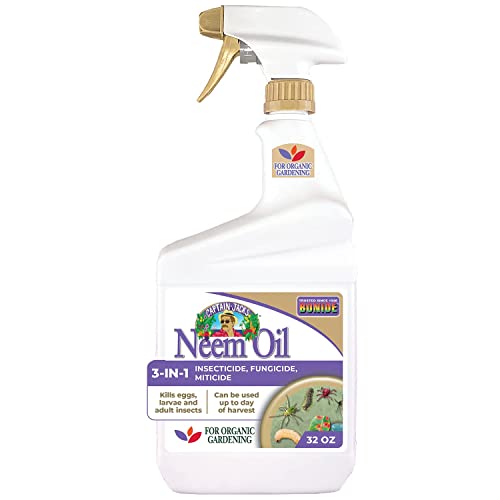
Protect your oasis with 3 garden products in 1 from Captain Jack’s; Bonide Captain Jack’s Ready-to-Use Neem Oil spray for plants is a multi-purpose fungicide, insecticide and miticide for your lawn & garden
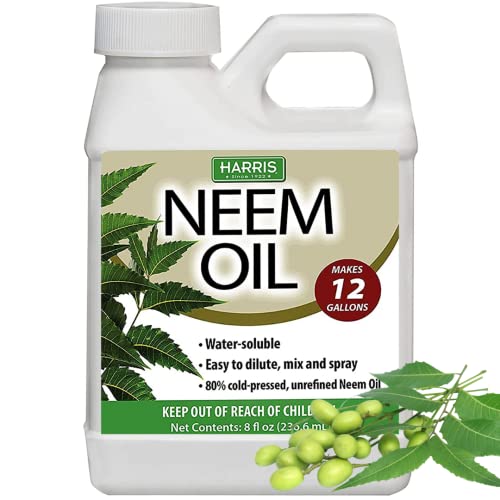
Cold-Pressed Neem Oil is a potent natural solution, ideal for maintaining healthy plants

Protect your oasis with Captain Jack’s Neem Max Ready-to-Spray solution; this multipurpose product acts as a 4-in-1 insecticide, fungicide, miticide and nematicide
Pest and Disease Management Strategies
Managing pests and diseases is crucial for the successful growth of pear trees in Minnesota’s unique climate. Understanding the specific threats these trees face in northern regions can help ensure their health and productivity. This section outlines effective strategies to protect your pear trees from common pests and diseases in Minnesota.
Pest and disease management is crucial for maintaining healthy pear trees. Common threats include:
Pear Psylla: A sap-sucking insect that can weaken trees.
Fire Blight: A bacterial disease that can kill branches.
Implement preventive measures such as:
Regular Inspections: Check trees for signs of pests or disease.
Organic Treatments: Use neem oil or insecticidal soap as needed.
Timely intervention can prevent significant damage to your trees.
Growth Tracking for Pear Trees
Understanding the growth patterns of pear trees in Minnesota is essential for successful cultivation in this unique climate. By monitoring their development, gardeners can make informed decisions about care, maintenance, and potential challenges. This section delves into key factors that influence growth, ensuring that your pear trees thrive in northern conditions.
Monitoring the growth of your pear trees allows for adjustments in care. Keep an eye on:
Leaf Color: Healthy leaves should be vibrant green.
Fruit Development: Watch for signs of stress or poor fruit set.
Adjust care based on observations. For example, if leaves appear yellow, consider soil testing for nutrient deficiencies.
| Care Aspect | Recommended Action | Frequency |
|---|---|---|
| Watering | Deep watering | Weekly during dry spells |
| Fertilizing | Balanced fertilizer | Early spring |
| Pruning | Remove dead branches | Annually |
Regular monitoring ensures your pear trees receive the care they need to thrive.
Plan for Winter Protection
Winter in Minnesota can be harsh, posing significant challenges for pear trees. Proper planning for winter protection is essential to ensure their survival through the cold months. Understanding the specific needs of these trees will help you implement effective strategies for safeguarding them against freezing temperatures and harsh winds.
Winter protection is essential for pear trees in Minnesota. Implement these strategies:
Mulching: Apply a thick layer of mulch around the base to insulate roots.
Wrap Trunks: Use tree wrap to protect young trees from frost damage.
Windbreaks: Plant shrubs or erect barriers to shield trees from harsh winds.
Taking these precautions can help your pear trees survive the winter months.
Pear Harvest Timing Indicators
Understanding the timing of pear harvest is crucial for maximizing fruit quality and yield in Minnesota’s unique climate. Various indicators can help determine the optimal moment for harvesting, ensuring that the pears are ripe and flavorful. This section explores key signs to look for as you prepare for a successful pear harvest in the northern regions.
Harvesting pears at the right time ensures optimal flavor and texture. Monitor the following indicators:
Color Change: Pears should change from green to a more yellow hue.
Ease of Picking: Ripe pears should come off the tree with slight pressure.
Proper timing can enhance the quality of your harvest.
By following these guidelines, you can successfully grow pear trees in Minnesota.
