

Ever wondered if you can grow honeydew melons on a trellis? Picture this: you’re dreaming of juicy, sweet honeydew melons dangling above your head, ripe for the picking. The good news is, it’s not just a fantasy—it’s entirely possible to grow these luscious fruits vertically on a trellis in your own backyard.
Key Takeaways
- Growing honeydew melons on a trellis is feasible and offers several benefits such as space optimization, improved air circulation, easier harvesting, and pest control.
- Challenges include ensuring sturdy support structures, regular pruning and training of vines, adequate watering, and selecting suitable honeydew melon varieties for vertical growth.
- Essential equipment and setup considerations for trellising honeydews include choosing a sturdy trellis, proper anchoring, vertical orientation for sunlight exposure, spacing consideration based on plant growth habits, and training vines upward.
- Planting healthy seedlings with well-draining soil at the base of the trellis is crucial. Training melon vines gently upwards using soft ties or twine while monitoring offshoots or side branches ensures successful cultivation.
- Maintenance involves minimal pruning to remove excess foliage, supporting vine growth on the trellis, inspecting plants for pests regularly, introducing beneficial insects for natural pest control, and promoting good air circulation to prevent diseases.
- Harvest ripe honeydew melons gently by twisting them off the vine or using pruners. Store harvested melons in the refrigerator wrapped in plastic wrap to maintain freshness. Enjoy fresh honeydews in various ways like snacks, salads, smoothies, or frozen treats.
Exploring the Feasibility of Growing Honeydew Melons on a Trellis
Benefits of Using a Trellis System
When considering growing honeydew melons on a trellis, you’ll discover several benefits to this approach.
- Space Optimization: Utilizing a trellis allows you to grow honeydew melons vertically, making it ideal for small spaces like backyards or gardens with limited ground area.
- Improved Air Circulation: By training your honeydew melon vines to climb the trellis, you enhance air circulation around the plants, reducing the risk of diseases caused by excess moisture.
- Easier Harvesting: With honeydew melons grown on a trellis, harvesting becomes more convenient as the fruits hang at an accessible height rather than resting on the ground.
- Pest Control: Elevating your honeydew melons can help deter pests and critters that may otherwise have easy access to the fruits when grown on the ground.
Challenges and Considerations
While growing honeydew melons on a trellis offers numerous advantages, there are some challenges and considerations to keep in mind.
- Support Structure: Ensure your trellis is sturdy enough to support the weight of growing melons. Consider using strong materials like wood or metal for durability.
- Pruning and Training: Regular pruning and training of vines are essential to prevent overcrowding and ensure proper fruit development when using a trellis system.
- Watering Needs: Vertical gardening may require more frequent watering as plants grown on trellises can dry out faster due to increased exposure to sunlight and wind.
- Varietal Selection: Choose honeydew melon varieties that are well-suited for vertical growth. Some types may adapt better to climbing structures than others.
By understanding these benefits, challenges, and considerations associated with growing honeydew melons on a trellis, you can make informed decisions when embarking on this gardening venture.
Essential Equipment and Setup for Trellising Honeydews
When it comes to trellising honeydew melons, having the right equipment and a proper setup is essential. Here are some key aspects to consider:
Recommended Products

【Sturdy and Durable Material】This melon hammock is made of thickened nylon material, which is sturdy, durable, resilient and eco-friendly for easy storage.

Get 10 seeds of the Highly Prized Kajari Melon.
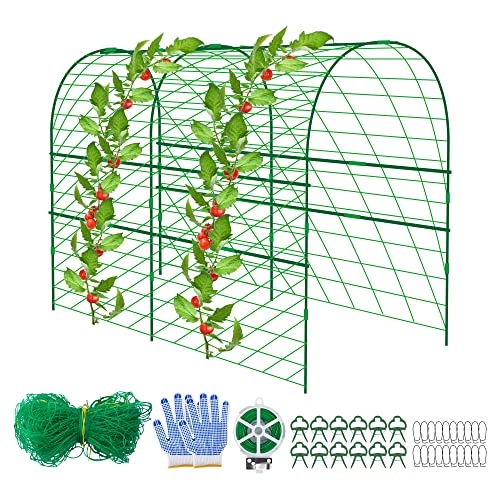
Durable Material: Made of steel tube with plastic layer, the garden vegetable trellis support for cucumbers not easy to rust or break. The surface coating is weatherproof to ensure the durability of the arch. The unique open arching design provides ample space for vegetables and flowers.
Choosing the Right Trellis
For trellising honeydew melons, opt for a sturdy trellis that can support the weight of the vines and fruits as they grow. A durable material like metal or wood is ideal for longevity. Ensure the trellis has enough vertical space to accommodate the upward growth of the vines without overcrowding.
- Secure Anchoring: Properly anchor your trellis into the ground to prevent it from toppling over due to the weight of mature plants or strong winds.
- Vertical Orientation: Position the trellis in a way that allows ample sunlight exposure for your honeydew plants while also providing easy access for maintenance tasks like pruning and harvesting.
- Spacing Consideration: Space out your trellises adequately based on the specific growth habits of honeydew melons to avoid overcrowding and ensure each plant receives sufficient airflow and sunlight.
- Training Vines: Regularly train your honeydew vine tendrils onto the trellis as they grow, guiding them upward to maximize vertical space utilization.
By selecting an appropriate trellis and following these installation tips, you’ll create an optimal environment for successfully growing honeydew melons vertically in your garden.
Step-by-Step Guide to Growing Honeydew Melons on a Trellis
Recommended Products

MADE FROM 65% RECYCLED PLASTIC - Reusable so you can reduce waste; supports the move toward a sustainable future whether using as indoor plant support, or replacing garden wire in the yard

LONG ENOUGH: This plant ties are 492 feet (150 m) per volume. Durable and long enough for your use.

Soft & Elastic: Our plant ties designed to gently support growing plants without scratching or damaging stems, ideal garden ties for plants, vines, tomatoes and delicate indoor or outdoor greenery
Planting and Initial Care
When planting honeydew melons on a trellis, it’s crucial to start with healthy seedlings. Ensure the soil is well-draining and rich in nutrients. Plant the seedlings at the base of the trellis, spacing them according to the variety’s requirements. Water thoroughly after planting and maintain consistent moisture levels to support initial growth.
Training the Melon Vines
To train your honeydew melon vines on the trellis, gently guide them upwards as they grow. Use soft ties or twine to secure the vines to the trellis without causing damage. Regularly check for any offshoots or side branches that may need redirection. Encourage vertical growth by positioning the main vine along the trellis and removing any lateral shoots that compete for energy.
By following these steps, you can successfully cultivate honeydew melons on a trellis in your garden, maximizing space efficiency while reaping delicious rewards at harvest time.
Maintenance and Care for Trellised Honeydew Melons
Taking care of your trellised honeydew melons is crucial to ensure a successful harvest. Here’s how you can maintain and care for them effectively:
Pruning and Supporting the Vines
When it comes to pruning your honeydew melon vines on the trellis, remember that less is more. Focus on removing excess foliage rather than heavy pruning. Support the vines by gently tying them to the trellis as they grow, ensuring they have room to expand while staying upright.
Pest Management and Disease Prevention
To keep pests at bay and prevent diseases in your trellised honeydew melons, inspect your plants regularly. Introduce beneficial insects like ladybugs or lacewings to control harmful pests naturally. Implement good air circulation around the vines by spacing them adequately on the trellis to reduce humidity levels and minimize disease risks.
Harvesting and Utilizing Trellised Honeydew Melons
When it comes to harvesting your trellised honeydew melons, there are some best practices you should keep in mind to ensure a successful and enjoyable experience.
Best Practices for Harvesting
- Timing is Key: Wait until the honeydew melons are ripe before harvesting. A ripe honeydew will have a creamy yellow color on the bottom where it sat on the ground.
- Gentle Handling: Handle the melons with care to avoid damaging them. Gently twist the fruit off the vine or use pruners if needed.
- Snip, Don’t Pull: When cutting the melon from the vine, use clean shears or a knife to snip rather than pull, preventing damage to both the fruit and plant.
- Harvest Early Morning: It’s best to harvest early in the morning when temperatures are cooler to retain freshness and flavor.
- Inspect Thoroughly: Check each melon for ripeness by pressing gently on the blossom end; it should slightly give but not be too soft.
Storing and Enjoying Your Honeydews
After successfully harvesting your trellised honeydew melons, here’s how you can store them properly for later enjoyment:
- Refrigeration: Store ripe honeydew melons in the refrigerator to maintain their freshness. Wrap cut pieces in plastic wrap before refrigerating.
- Avoid Direct Sunlight: Keep uncut honeydews away from direct sunlight as they continue ripening after being picked.
- Enjoy Fresh or Frozen: Honeydews can be enjoyed fresh as a snack, in salads, smoothies, or even frozen for refreshing treats.
By following these tips for harvesting and storing your trellised honeydew melons correctly, you’ll be able to savor their delicious flavor at its peak freshness.
Conclusion
Now that you have learned about growing honeydew melons on a trellis, you can see the benefits it offers in terms of space-saving and easier maintenance. By following the tips provided in this article, such as proper pruning techniques and timely harvesting, you can ensure a successful harvest of delicious honeydew melons from your own garden. Remember to provide sturdy support for the vines and keep an eye out for pests and diseases to maintain healthy growth. With these practices in place, you’ll soon be enjoying fresh honeydews straight from your trellis with minimal effort. Happy gardening!
Frequently Asked Questions
1. Why should I grow honeydew melons on a trellis?
Growing honeydew melons on a trellis maximizes garden space, eases harvesting, and improves airflow to prevent diseases.
2. What are the challenges of growing honeydew melons on a trellis?
Challenges include providing sturdy support for the vines, regular pruning to manage growth, and ensuring proper vine training.
3. How do I maintain honeydew melon plants on a trellis?
Maintain by gently pruning excess growth, providing adequate vine support as they grow, managing pests, and preventing diseases.
4. What are the best practices for harvesting trellised honeydew melons?
Harvest at the right time when fully ripe but firm, handle them gently to avoid damage, and pick early in the morning for best flavor.
5. How should I store harvested honeydew melons?
Store in the refrigerator to maintain freshness, keep away from direct sunlight to prevent overripening, and enjoy fresh or frozen for later use.
