

Growing walnut trees in San Antonio, TX requires careful attention to water management due to the region’s climate. Implementing water-wise practices ensures healthy growth and maximizes yield while conserving resources.
San Antonio Walnut Tree Selection Guide
Choosing the right walnut tree variety is crucial for successful growth in San Antonio’s unique climate. This guide outlines the best options tailored to the region’s conditions, ensuring that your selection thrives while minimizing water usage. Understanding these varieties will help you cultivate a healthy, sustainable walnut tree that flourishes in your landscape.
Selecting the right walnut tree variety is crucial for success in San Antonio’s climate. The two primary types are the English walnut and the Black walnut. Each has unique characteristics and water requirements.
English walnut is more sensitive to drought but produces high-quality nuts.
Black walnut is more drought-tolerant and resilient but yields a less desirable nut.
Understanding these differences helps in choosing the best variety for your specific needs.
Recommended Products


LIVE & ALREADY SPROUTED: Each Black Walnut (Juglans nigra) seedling has already germinated, featuring a strong root system and healthy shoot — no waiting for seeds to sprout.

Black Walnut Tree Seeds , Juglans Nigra - Northern Tree Seeds
Soil Testing for Walnut Tree Health
Understanding the soil composition is crucial for the successful growth of walnut trees in San Antonio. Soil testing provides valuable insights into nutrient levels, pH balance, and drainage capabilities, all of which directly impact tree health and productivity. By assessing these factors, growers can make informed decisions to create optimal conditions for their walnut trees.
Soil quality directly impacts the growth of walnut trees. Conducting a soil test can provide insights into pH levels and nutrient availability. Ideally, walnut trees prefer well-drained, loamy soil with a pH between 6.0 and 7.5.
| Soil Type | pH Range | Nutrient Level |
|---|---|---|
| Loamy | 6.0 – 7.5 | High |
| Sandy | 5.5 – 7.0 | Moderate |
| Clay | 6.0 – 8.0 | Variable |
Improving soil quality may involve adding organic matter or adjusting pH levels.
Watering Techniques for Healthy Walnut Trees
Effective watering techniques are crucial for nurturing walnut trees in the unique climate of San Antonio, TX. Understanding how to balance moisture levels can significantly impact growth and yield. This section explores practical methods to ensure your walnut trees thrive while conserving water resources.
Watering practices are vital for maintaining healthy walnut trees. Deep watering encourages root growth and resilience. Here are some effective techniques:
Drip irrigation delivers water directly to the root zone, minimizing evaporation.
Soaker hoses can also be effective for slow, deep watering.
Mulching around the base helps retain moisture and regulate soil temperature.
Monitor soil moisture levels to avoid overwatering, which can lead to root rot.
Watering Schedule for Walnut Trees
Establishing an effective watering schedule is crucial for the health of walnut trees in San Antonio’s unique climate. Given the region’s varying rainfall patterns and potential drought conditions, understanding when and how much to water can significantly impact tree growth and productivity. This section outlines practical tips to ensure your walnut trees receive the right amount of moisture throughout the year.
Establishing a watering schedule can optimize growth and conserve water. The frequency of watering should depend on the season and rainfall.
| Season | Frequency | Notes |
|---|---|---|
| Spring | Every 7-10 days | Increase if rainfall is low |
| Summer | Every 5-7 days | Essential during peak heat |
| Fall | Every 10-14 days | Reduce as temperatures drop |
Adjust the schedule based on weather conditions and tree age.
Fertilization Strategies for Walnut Growth
Fertilization plays a crucial role in the successful growth of walnut trees, especially in the unique climate of San Antonio, TX. Understanding the specific nutrient needs and timing can significantly enhance tree health and yield. This section explores effective fertilization strategies tailored to promote robust walnut growth while conserving water resources.
Proper fertilization supports the growth of walnut trees while minimizing water usage. Use a balanced fertilizer with a ratio of 10-10-10 or similar.
Apply fertilizer in early spring before new growth.
Avoid over-fertilizing, as it can lead to excessive leaf growth and reduced nut production.
Consider using slow-release fertilizers to provide nutrients over time.
Assess Walnut Tree Vitality Indicators
Assessing the vitality of walnut trees is crucial for their successful growth, especially in the unique climate of San Antonio, TX. By understanding key indicators of health, you can make informed decisions about care and maintenance. This section will guide you through the essential signs to look for to ensure your walnut trees thrive in a water-wise manner.
Regular monitoring of tree health is essential for early detection of issues. Look for signs of stress, such as yellowing leaves or stunted growth.
Inspect for pests and diseases that may affect water uptake.
Check for signs of nutrient deficiencies, which can also impact growth.
Addressing issues promptly can prevent long-term damage.
Plan for Pest and Disease Management
When growing walnut trees in San Antonio, TX, effective pest and disease management is crucial for ensuring healthy growth and a bountiful harvest. Understanding the common threats specific to the region and implementing proactive strategies can help protect your trees. This section outlines essential practices to safeguard your walnut trees from potential infestations and diseases.
Pest and disease management is crucial for maintaining healthy walnut trees. Common pests include aphids and walnut husk fly. Implement integrated pest management strategies to minimize chemical use.
Use insecticidal soap for soft-bodied insects.
Encourage beneficial insects like ladybugs to control pest populations.
Regularly inspect trees for early signs of disease.
Recommended Products
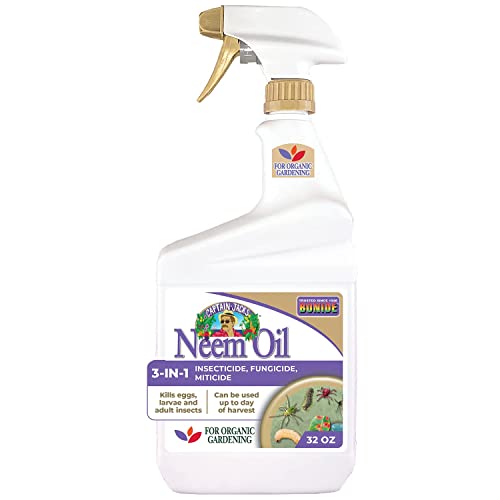
Protect your oasis with 3 garden products in 1 from Captain Jack’s; Bonide Captain Jack’s Ready-to-Use Neem Oil spray for plants is a multi-purpose fungicide, insecticide and miticide for your lawn & garden

FUNGAL DISEASE CONTROL: Prevents and controls black spot on roses, powdery mildew, rust, downy mildew, and other listed fungal diseases when applied on a 7–14 day schedule

Protect your oasis with Captain Jack’s Neem Max Concentrate; this multipurpose product acts as a 4-in-1 insecticide, fungicide, miticide and nematicide
Organic Pest Management Strategies
Effective pest management is crucial for the successful cultivation of walnut trees in San Antonio’s unique climate. By employing organic strategies, growers can protect their trees from harmful pests while promoting a healthier ecosystem. This section explores practical approaches to managing pests organically, ensuring that your walnut trees thrive without relying on synthetic chemicals.
Organic solutions can effectively manage pests while being environmentally friendly. Consider the following:
Neem oil can deter pests without harming beneficial insects.
Diatomaceous earth is effective against crawling insects.
Companion planting can help repel pests naturally.
Walnut Harvest Timing and Quality Tips
Understanding the optimal timing for harvesting walnuts is crucial for ensuring the best quality nuts. In San Antonio’s unique climate, factors such as temperature and moisture levels play a significant role in determining when to collect your walnuts. This section offers practical advice on how to gauge the right moment for harvest to maximize both yield and quality.
Harvesting walnuts at the right time ensures maximum quality. Monitor the nuts for ripeness, which typically occurs in late summer to early fall.
Look for nuts that fall naturally from the tree.
Use a harvesting tool to collect nuts efficiently.
Dry harvested nuts in a shaded area to prevent mold.
Delaying harvest can lead to decreased quality and increased pest attraction.
Implementing these water-wise tips will support the successful growth of walnut trees in San Antonio, TX. By understanding the specific needs of your trees and employing efficient practices, you can ensure a thriving orchard.
