

The best time to spray copper fungicide on loquat trees is during the early spring, just before new growth begins. This timing helps prevent fungal diseases effectively while minimizing potential damage to the tree.
Fungal Diseases Affecting Loquat Trees
Loquat trees are susceptible to various fungal diseases, which can affect their health and fruit production. Common issues include leaf spot, powdery mildew, and brown rot. Understanding these threats is crucial for effective management. Early intervention with copper fungicide can significantly reduce the risk of these diseases.
Recommended Products

For control of disease on vegetables, ornamentals, Fruit and nut crops & algae in turfgrass

Control plant common plant diseases in your home garden with Copper Fungicide Spray or Dust from Bonide!

Control fungus and disease in your garden with Captain Jack’s ready-to-spray Liquid Copper Fungicide!
Common Fungal Threats to Loquat Trees
Loquat trees are susceptible to various fungal diseases that can hinder their growth and fruit production. Understanding these common threats is crucial for effective management and prevention. By identifying the specific fungi that target loquat trees, you can take proactive steps to protect your plants and ensure a healthy harvest.
Here are some of the most common fungal diseases affecting loquat trees:
| Disease | Symptoms | Treatment |
|---|---|---|
| Leaf Spot | Yellow-brown spots on leaves | Copper fungicide application |
| Powdery Mildew | White powdery coating on leaves | Copper fungicide application |
| Brown Rot | Decay of fruit | Copper fungicide application |
Ideal Application Windows for Copper Fungicide
Understanding the ideal application windows for copper fungicide on loquat trees is crucial for effective disease management. Timing your sprays can significantly enhance the protection of your trees against fungal infections, ensuring they remain healthy and productive. This section outlines the best periods for application, taking into account seasonal factors and growth stages.
The timing of copper fungicide application is critical for effectiveness. The best windows are:
Early Spring: Apply just before bud break.
Late Spring: A second application may be needed if conditions remain humid.
Fall: Consider a preventive application to protect against winter diseases.
Optimal Conditions for Copper Fungicide Application
Understanding the optimal conditions for applying copper fungicide on loquat trees is crucial for effective disease management. Timing and environmental factors can significantly influence the fungicide’s efficacy, ensuring that your trees remain healthy and productive. This section will explore the best practices for application to achieve the best results.
Several factors can influence when to apply copper fungicide:
Weather Conditions: High humidity and rainfall can increase fungal growth, necessitating earlier applications.
Tree Health: Weaker trees may require more frequent treatments.
Previous Disease History: If fungal issues were prevalent in the past, earlier applications are advisable.
Copper Fungicide Application Methods for Loquat Trees
When it comes to protecting loquat trees from fungal diseases, understanding the application methods for copper fungicide is crucial. This section delves into effective techniques for applying this treatment, ensuring optimal coverage and absorption. With the right approach, you can enhance the health and yield of your loquat trees significantly.
Proper application techniques ensure the fungicide reaches the affected areas effectively. Follow these steps for optimal results:
Select the Right Product: Choose a copper fungicide suitable for loquat trees.
Prepare the Solution: Mix according to the manufacturer’s instructions.
Use Proper Equipment: A backpack sprayer or garden sprayer is ideal for even coverage.
Spray Thoroughly: Cover both the upper and lower surfaces of leaves.
Recommended Products

Controls diseases caused by bacteria and fungi

PREVENTS A VARIETY OF PLANT DISEASES: Monterey Copper Fungicide Garden Spray controls diseases that commonly affect citrus, fruits, vegetables, nuts, and ornamental plants, ensuring healthy growth throughout the season.
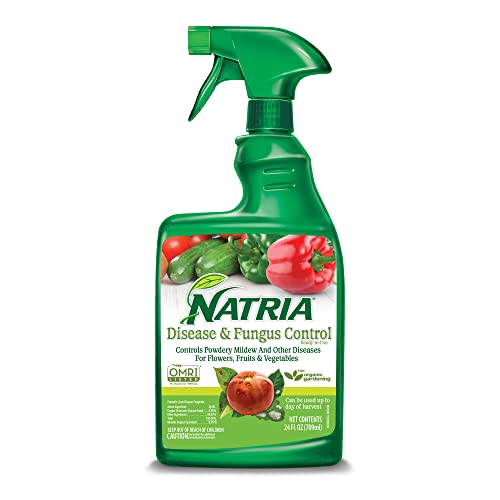
DISEASE CONTROL: Disease & Fungus Control controls powdery mildew, rust, black spot, fruit rot, downy mildew, late blight, and other listed diseases
Protective Gear for Copper Fungicide Application
When applying copper fungicide to loquat trees, wearing the right protective gear is essential to ensure safety and effectiveness. Proper equipment not only minimizes exposure to chemicals but also enhances the application process, allowing for better coverage and protection against fungal diseases. Understanding the necessary protective gear can make a significant difference in both the health of the trees and the safety of the applicator.
Always wear protective gear when applying copper fungicide. This includes gloves, goggles, and a mask to avoid inhalation or skin contact. Ensure that pets and children are kept away from treated areas until the solution has dried.
Assessing Treatment Impact on Loquat Trees
Evaluating the effects of copper fungicide on loquat trees is crucial for ensuring their health and productivity. Understanding how treatment timing and application methods influence tree vitality can help you make informed decisions. This section delves into the specific impacts of fungicide use, guiding you to optimize the care of your loquat trees.
Monitoring the health of your loquat trees after treatment is essential. Look for signs of improvement in leaf condition and fruit quality. If fungal symptoms persist, consider adjusting your application frequency or exploring alternative treatments.
Indicators of Effective Copper Fungicide Application
Understanding the indicators of effective copper fungicide application is crucial for maintaining healthy loquat trees. Recognizing the right signs can help ensure that your treatment is timely and effective, ultimately leading to better disease management and improved fruit quality. This section will outline the key factors to consider when applying copper fungicide to your trees.
After applying copper fungicide, you should observe:
Reduced leaf discoloration
Healthier fruit development
Fewer signs of fungal growth
Loquat Tree Health Maintenance Tips
Maintaining the health of loquat trees is essential for ensuring robust growth and fruit production. Proper care involves understanding the right timing for treatments, including the application of copper fungicide, to prevent diseases and promote vitality. This section offers expert advice on effective practices to keep your loquat trees thriving throughout the seasons.
Beyond fungicide application, consider these practices to maintain healthy loquat trees:
Prune Regularly: Remove dead or diseased branches to improve air circulation.
Water Wisely: Avoid overhead watering to reduce humidity around the leaves.
Fertilize Appropriately: Use a balanced fertilizer to promote strong growth.
Common Mistakes to Avoid
When applying copper fungicide to loquat trees, timing and technique are crucial for effective disease management. However, many gardeners make common mistakes that can hinder their efforts. Understanding these pitfalls can help ensure that your loquat trees thrive and remain healthy throughout the growing season.
Avoid these common pitfalls when caring for loquat trees:
Over-application of fungicide, which can harm beneficial organisms.
Ignoring environmental conditions that favor fungal growth.
Failing to monitor tree health post-application.
Optimal Copper Fungicide Application Timing
Understanding the optimal timing for applying copper fungicide to loquat trees is crucial for effective disease management. This section provides expert insights into when to spray, ensuring that your trees receive the best protection against fungal threats while promoting healthy growth. By following these guidelines, you can maximize the benefits of your fungicide application.
To effectively manage fungal diseases on loquat trees, follow these best practices:
Apply copper fungicide in early spring.
Monitor weather and tree health for optimal timing.
Use proper application techniques and safety precautions.
By adhering to these guidelines, you can protect your loquat trees from fungal threats and ensure a bountiful harvest.
Recommended Products

DISEASE CONTROL - Liqui-Cop, Copper-Count-N, is designed to prevent a wide variety of plant diseases including anthracnose, brown rot, blight, downy mildew, botrytis blight, leaf spot and many more.

PREVENTS A VARIETY OF PLANT DISEASES: Monterey Copper Fungicide Garden Spray controls diseases that commonly affect citrus, fruits, vegetables, nuts, and ornamental plants, ensuring healthy growth throughout the season.

