

Growing walnut trees in Georgia can yield a bountiful harvest if proper techniques are applied. Key factors include selecting the right variety, understanding soil conditions, and managing pests effectively.
Choosing Optimal Walnut Varieties for Georgia
Choosing the right walnut variety is crucial for a successful harvest in Georgia. The climate and soil conditions favor specific types, such as the English walnut and the black walnut. Each variety has unique growth requirements and pest resistances, which can significantly impact yield.
English Walnut Growth Requirements
Understanding the growth requirements of English walnut trees is essential for achieving a successful harvest in Georgia. These trees thrive in specific environmental conditions, soil types, and care practices that can significantly influence their productivity. By exploring these factors, growers can enhance their cultivation techniques and ultimately improve their yield.
The English walnut is popular for its high-quality nuts and adaptability. It thrives in well-drained soil and requires full sunlight for optimal growth. Key features include:
Nut quality: Thin shells and rich flavor
Harvest time: Late summer to early fall
Tree height: Up to 50 feet
Black Walnut Growth Conditions in Georgia
Understanding the growth conditions for black walnut trees in Georgia is crucial for maximizing their harvest potential. This section delves into the specific environmental factors, soil types, and climate conditions that contribute to the successful cultivation of these valuable trees in the region. By optimizing these elements, growers can enhance both the quality and quantity of their walnut yield.
The black walnut is valued for its timber and nut production. It prefers slightly acidic soil and can tolerate some shade. Important aspects include:
Nut quality: Rich flavor but thicker shell
Harvest time: Early to mid-fall
Tree height: Up to 75 feet
Optimal Soil Conditions for Walnut Growth
To achieve a thriving walnut harvest in Georgia, understanding the optimal soil conditions is crucial. The right soil type not only supports healthy tree growth but also enhances nut quality and yield. This section delves into the specific soil characteristics that can significantly impact walnut production in the region.
Proper soil preparation enhances the growth of walnut trees. Testing soil pH and nutrient levels is essential for determining the necessary amendments. Ideal soil conditions include:
pH level: 6.0 to 7.5
Organic matter: At least 3-5%
Drainage: Well-drained soil is critical
Soil Quality Assessment for Walnut Trees
Understanding soil quality is crucial for optimizing walnut tree growth in Georgia. The right soil conditions not only support healthy root development but also enhance nutrient availability, ultimately leading to a more fruitful harvest. This section delves into the essential factors that contribute to soil quality specifically for walnut cultivation.
Collect soil samples from multiple locations in the planting area.
Send samples to a local agricultural extension office for analysis.
Review results to identify nutrient deficiencies.
Soil Amendments for Walnut Tree Health
Healthy walnut trees thrive in well-balanced soil, making soil amendments crucial for optimal growth and productivity. Understanding the specific nutrient needs and pH levels can significantly enhance the health of your trees. This section explores effective soil amendments that can lead to a more abundant walnut harvest in Georgia’s unique climate.
Based on soil test results, consider the following amendments:
| Amendment | Purpose |
|---|---|
| Lime | Raise pH |
| Sulfur | Lower pH |
| Compost | Improve organic matter |
| Fertilizer | Boost nutrient levels |
Walnut Pest Control Techniques
Effective pest control is crucial for maximizing walnut harvests in Georgia. Understanding the specific threats to walnut trees and implementing targeted strategies can significantly enhance both yield and tree health. This section explores various techniques to manage pests, ensuring a bountiful and sustainable walnut production.
Effective pest management is vital for maximizing walnut yields. Common pests include the walnut husk fly and crown gall. Implementing preventive measures can reduce infestations.
Pest Monitoring Techniques for Walnut Trees
Effective pest monitoring is crucial for ensuring a healthy harvest of walnut trees in Georgia. By implementing specific techniques, growers can identify and manage pest populations before they cause significant damage. This section explores various methods to monitor pests, helping to safeguard walnut yields and enhance overall tree health.
Regular monitoring helps identify pest issues early. Use the following methods:
Visual inspections: Check leaves and nuts for signs of damage.
Sticky traps: Place traps around trees to catch flying pests.
Soil checks: Inspect roots for signs of disease.
Pest Management Strategies for Walnut Trees
Effective pest management is crucial for maximizing the health and yield of walnut trees in Georgia. By understanding common pests and implementing targeted strategies, growers can protect their crops and enhance overall productivity. This section explores practical approaches to managing pests that threaten walnut trees, ensuring a more fruitful harvest.
Adopt these control measures for effective pest management:
Insecticidal soap: Treat soft-bodied insects like aphids.
Neem oil: A natural pesticide effective against various pests.
Cultural practices: Rotate crops and remove debris to minimize pest habitats.
Optimal Timing for Walnut Harvesting
Understanding the optimal timing for harvesting walnut trees in Georgia is crucial for maximizing yield and quality. Factors such as climate, tree maturity, and nut development play significant roles in determining the best harvest period. This section delves into the specific indicators and timing strategies that can enhance your walnut harvest.
Harvesting walnuts at the right time ensures maximum quality and quantity. Timing is crucial for both English and black walnuts.
Ripeness Indicators for Walnut Harvest
Determining the right time to harvest walnuts is crucial for maximizing yield and quality. Understanding the signs of ripeness can help growers identify when their nuts are ready, ensuring a successful harvest. This section explores the key indicators that signal when walnuts have reached their optimal maturity in Georgia’s climate.
Monitor the following signs to determine when to harvest:
Husk color: Changes from green to brown
Shell hardness: Hardens as nuts mature
Falling nuts: Nuts drop naturally when ripe
Walnut Harvesting Tools and Techniques
Effective walnut harvesting in Georgia requires the right tools and techniques to maximize yield and efficiency. Understanding the specific equipment available and the best practices for using them can significantly enhance the quality of the harvest. This section delves into the essential tools and methods that can lead to a more successful walnut gathering experience.
Prepare tools: Gather a harvesting bag and ladder.
Shake branches: Gently shake or use a mechanical shaker to dislodge nuts.
Collect nuts: Gather fallen nuts promptly to avoid spoilage.
Post-Harvest Walnut Storage Techniques
Proper post-harvest storage is crucial for maintaining the quality and longevity of walnuts in Georgia. Understanding the best techniques can significantly impact the flavor, texture, and overall marketability of your harvest. This section explores effective methods to ensure your walnuts remain fresh and valuable long after they are picked.
Proper post-harvest processing enhances the shelf life and quality of walnuts. Follow these steps to ensure optimal storage.
Effective Walnut Drying Techniques
Proper drying techniques are essential for maximizing the quality and yield of walnut harvests in Georgia. Understanding the intricacies of moisture removal not only enhances flavor and texture but also extends shelf life. This section explores effective methods to ensure your walnuts are dried to perfection, paving the way for a successful harvest.
Drying is essential for preventing mold and decay. Use these methods:
Air drying: Spread nuts in a single layer in a cool, dry place.
Dehydrator: Use a food dehydrator for consistent results.
Walnut Storage Best Practices
Proper storage of harvested walnuts is crucial for maintaining their quality and extending shelf life. Understanding the best practices for storing these nuts can significantly impact their flavor and nutritional value. This section delves into effective methods and tips for ensuring your walnuts remain fresh and delicious for as long as possible.
Store dried walnuts in airtight containers. Follow these recommendations:
| Storage Method | Duration |
|---|---|
| Room temperature | 6 months |
| Refrigeration | 1 year |
| Freezing | 2 years |
Optimizing Walnut Yields in Georgia
To maximize walnut yields in Georgia, understanding the specific environmental and agricultural conditions is essential. This section delves into effective strategies and practices tailored to enhance the growth and productivity of walnut trees, ensuring that growers can achieve a bountiful harvest while navigating the unique challenges of the region.
Maximizing walnut harvests in Georgia requires careful attention to variety selection, soil preparation, pest management, and harvesting techniques. Implementing these strategies will lead to better yields and higher quality nuts.
Recommended Products
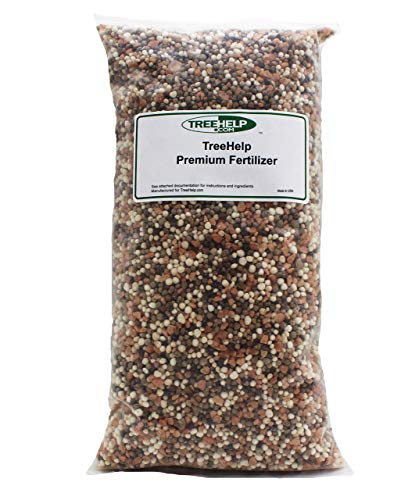
Approximately 3 Pounds Specially formulated for use on Walnut trees. Promotes long-term vitality through robust root development. Slow-release Nitrogen that continues feeding...
