

Cherry trees can thrive in Colorado’s high altitudes with proper care and frost protection. To ensure successful growth, select cold-hardy varieties and implement effective frost management strategies.
High-Altitude Cherry Tree Selection Criteria
Selecting the right cherry tree varieties for high-altitude regions in Colorado requires careful consideration of specific criteria. Factors such as cold hardiness, bloom timing, and disease resistance play crucial roles in ensuring successful growth and fruit production. Understanding these elements can help gardeners make informed choices that thrive in challenging climates.
Choosing the right cherry tree varieties is crucial for success in Colorado’s unique climate. High-altitude areas experience cooler temperatures and shorter growing seasons. Therefore, selecting varieties that are cold-hardy and disease-resistant is essential.
Recommended varieties include:
Montmorency: Tart cherries ideal for pies and preserves.
Bing: Sweet cherries that require a pollinator.
Lapins: Self-fertile sweet cherries that tolerate cold.
These varieties can withstand the challenges of high altitudes while producing quality fruit.
Recommended Products

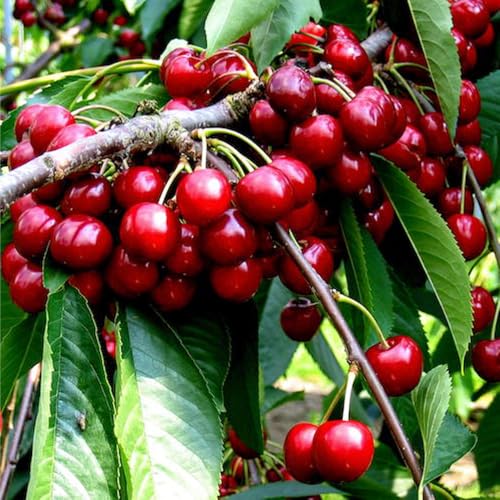
Product Quantity: 10+ organic cherry seeds per packet; Premium selection for optimal viability; Perfect for starting multiple trees

Bareroot, dormant, no leaves, focus on roots
Frost Timeline and Cherry Blossom Protection
Understanding the frost timeline is crucial for the successful cultivation of cherry trees in Colorado’s high-altitude climate. This section delves into the specific frost dates and provides effective strategies for protecting cherry blossoms, ensuring that growers can maximize their yields while minimizing the risks associated with unexpected cold snaps.
Frost can severely damage cherry blossoms, impacting fruit yield. In Colorado, late spring frosts are common, posing a significant risk to newly blooming trees. Understanding the frost timeline in your area can help mitigate damage.
Key points to consider:
Frost Dates: Know the average last frost date for your region.
Microclimates: Identify areas in your yard that may be more susceptible to frost.
Protection Methods: Use covers or frost cloths to shield blossoms during cold snaps.
Implementing these strategies can protect your cherry trees from unexpected frosts.
Recommended Products
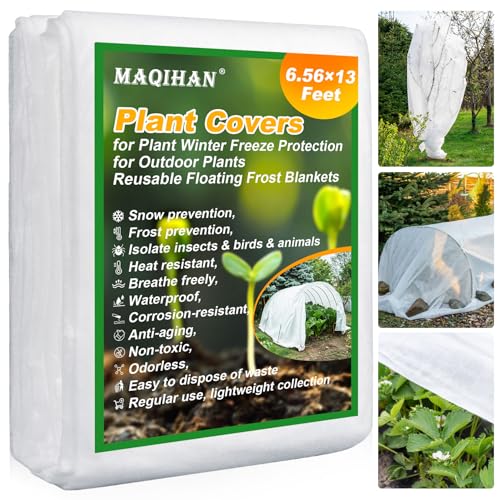
Product Features: Our plant covers are ideal for protecting all plant. Made from premium 1 oz/sq non-woven fabric, their durability and breathability ensuring both insulation against frost and facilitation of sunlight penetration for healthy plant growth

ALL-SEASON PLANT PROTECTION - Safeguard your plants through the harsh winters with our breathable Plant Frost Cover, designed to shield against frost, freezing temperatures, snow, and harsh winds. Extend your growing season into the colder months while ensuring your plants thrive year-round.

ALL-SEASON PLANT PROTECTION - Safeguard your plants through the harsh winters with our breathable Plant Frost Cover, designed to shield against frost, freezing temperatures, snow, and harsh winds. Extend your growing season into the colder months while ensuring your plants thrive year-round.
Frost Protection Strategies for Cherry Trees
Protecting cherry trees from frost is crucial for successful cultivation in Colorado’s high-altitude climate. Understanding effective strategies can help ensure healthy blossoms and fruit production, despite the challenges posed by unpredictable weather. This section explores various methods to safeguard your cherry trees against frost damage.
Effective frost protection techniques are essential for safeguarding cherry trees. These methods can help prevent damage to blossoms and ensure a healthy harvest.
Consider the following techniques:
Covering Trees: Use frost cloths or blankets to cover trees during cold nights. Ensure they are secured to prevent wind damage.
Watering: Water the soil thoroughly before a frost event. Moist soil retains heat better than dry soil.
Wind Machines: For larger orchards, consider using wind machines to circulate warmer air.
These techniques can significantly reduce the risk of frost damage.
Recommended Products

Extra Thick Tree and Plant Covers for Winter: Scrubits Frost Blankets for outdoor plants and Trees will ensure that your Trees and large plants not only survive the winter but thrive and grow to blossom. With its extra thick fabric and long-lasting material, you can be confident about next year's harvest.

Thicker Material -- Made with 1.2oz non-woven polypropylene fabric, our plant freeze protection covers are durable, tear-resistant, and provide optimal insulation for your plants against harsh winter conditions.Breathable non-woven fabric allow light, air and moisture go through the frost cloths and reach the plants
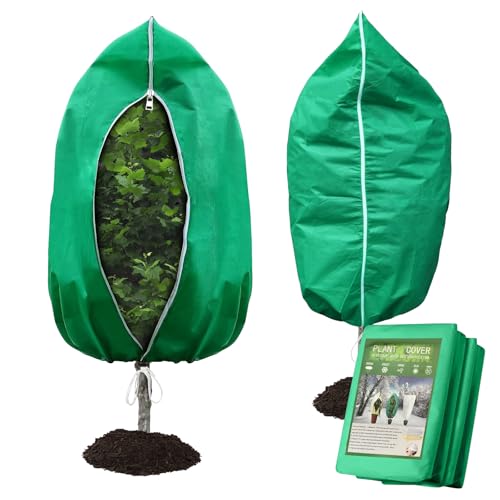
🌬️ Ultimate Cold Weather Protection:Crafted from thick 2.8oz/yd² non-woven fabric, our HEKIWAY plant freeze covers shield your trees and plants from frost, snow, wind, and ice. A reliable barrier for harsh winters, ensuring your greenery survives and thrives
High-Altitude Cherry Tree Maintenance Strategies
Maintaining cherry trees at high altitudes in Colorado presents unique challenges due to fluctuating temperatures and frost risks. Understanding specific strategies for care and management can significantly enhance the success of these trees in such environments. This section explores effective maintenance practices tailored to the needs of cherry trees thriving in high-altitude conditions.
Maintaining cherry trees in high-altitude environments requires careful planning and execution. Proper logistics can ensure trees receive the right nutrients and care.
Follow these steps for effective care:
Soil Testing: Test soil pH and nutrient levels to determine necessary amendments.
Fertilization: Use a balanced fertilizer in early spring to support growth.
Pruning: Prune trees in late winter to promote healthy growth and airflow.
| Task | Frequency | Best Time |
|---|---|---|
| Soil Testing | Every 2 years | Early spring |
| Fertilization | Annually | Early spring |
| Pruning | Annually | Late winter |
Implementing these logistics can enhance the health and productivity of your cherry trees.
Pest and Disease Management Strategies
Managing pests and diseases is crucial for the success of cherry trees in Colorado’s high-altitude environment. The unique climatic conditions can make these trees vulnerable to specific threats, necessitating targeted strategies for prevention and treatment. Understanding these management techniques will help ensure healthy growth and a fruitful harvest.
Pest and disease management is vital for maintaining healthy cherry trees. High-altitude conditions can still harbor various threats that may affect tree health.
Common issues include:
Cherry Fruit Fly: Affects fruit quality; use traps to monitor.
Powdery Mildew: Fungal disease; ensure good airflow and apply fungicides if necessary.
Aphids: Can weaken trees; use insecticidal soap for control.
Regular monitoring can help identify and address these issues promptly.
Cherry Tree Cultivation Strategies for Colorado
Cultivating cherry trees in Colorado presents unique challenges due to the state’s high altitude and fluctuating temperatures. Understanding effective strategies for planting, maintaining, and protecting these trees is essential for successful growth. This section delves into practical techniques tailored to the specific conditions found in Colorado, ensuring that cherry trees thrive despite environmental hurdles.
High-altitude cherry tree cultivation requires careful selection of varieties and proactive frost management. By implementing effective care strategies and monitoring for pests, you can enjoy a fruitful harvest in Colorado’s challenging climate.
