

Avocado trees can thrive in North Carolina’s Piedmont and Mountain regions with proper care and attention to local climate conditions. By selecting suitable varieties and implementing effective growing techniques, gardeners can successfully cultivate these nutrient-rich fruits in their backyards.
North Carolina Avocado Varieties for Success
Choosing the right avocado variety is crucial for success in North Carolina’s diverse climate. The two primary varieties suitable for this region are the Hass and Bacon avocados. Both varieties offer unique flavors and growth characteristics, making them popular among local gardeners.
Hass: Known for its creamy texture and rich flavor, this variety is the most commonly grown avocado worldwide. It requires a warmer climate but can adapt to some cooler temperatures.
Bacon: This variety is more cold-tolerant, making it a suitable option for the Mountain region. It has a milder flavor and a smooth texture.
| Variety | Flavor Profile | Cold Tolerance | Growth Habit |
|---|---|---|---|
| Hass | Rich, creamy | Moderate | Upright |
| Bacon | Mild, smooth | High | Spreading |
Soil Preparation for Healthy Avocado Growth
Preparing the right soil is crucial for successful avocado cultivation in North Carolina’s Piedmont and mountain regions. The unique climate and soil conditions in these areas require specific amendments and techniques to ensure optimal growth. Understanding how to prepare the soil will set the foundation for healthy avocado trees and fruitful harvests.
Soil preparation is essential for healthy avocado tree growth. These trees prefer well-draining soil with a slightly acidic pH.
Test Soil: Conduct a soil test to determine pH and nutrient levels.
Amend Soil: Incorporate organic matter such as compost to improve drainage and nutrient content.
Mulch: Use mulch to retain moisture and regulate soil temperature.
Soil pH Testing for Avocado Growth
Understanding soil pH is crucial for successful avocado cultivation in North Carolina’s Piedmont and Mountain regions. This section delves into the optimal pH levels required for avocado trees, the impact of soil acidity on growth, and practical methods for testing soil pH to ensure healthy development. Proper pH management can significantly enhance the yield and vitality of avocado plants.
Test soil pH and nutrient levels.
Amend soil with compost and other organic materials.
Mulch around the base of the tree to conserve moisture.
Avocado Tree Planting Methods for North Carolina
Planting avocado trees in North Carolina requires careful consideration of the region’s unique climate and soil conditions. Understanding the best methods for planting can significantly enhance the chances of successful growth, particularly in the Piedmont and Mountain areas. This section explores effective techniques tailored to these specific environments, ensuring optimal conditions for your avocado trees.
Proper planting techniques ensure strong root development and overall tree health.
Choose Location: Select a sunny spot with protection from strong winds.
Dig Hole: Create a hole twice the width of the root ball and the same depth.
Plant: Position the tree so that the root collar is level with the soil surface.
Recommended Products

▲【Large Fruit Picker Basket with Claw】Our fruit picker rake comes with metal twist on head basket( 9"x5.5"x5.5") for picking avocado, tangerines, apple, persimmon, grapefruit, mango, apple, pear, fig, orange, papaya,mandarins, lemons, jujubes and more fruit in four seasons.
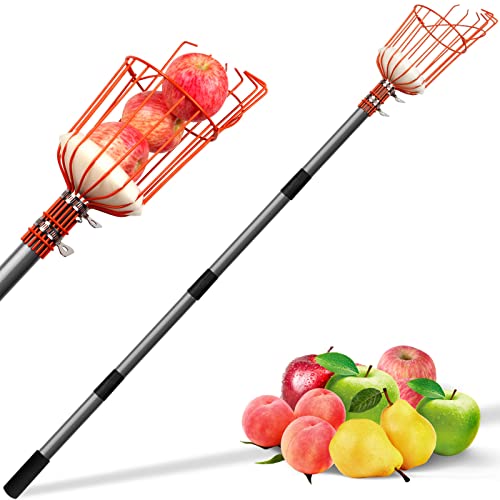
【Gentle Harvesting& Less Bruising】:This fruit picker basket features a cushioned foam pad that gently absorbs impact when fruits drop, helping reduce bruising and damage. The large-capacity metal basket is suitable for fruits ranging from 1-5.5 inches in diameter. Such as apples, mangoes, cherries, and other fruits, it ensures cleaner and safer picking with less waste.

Planting Avocado Trees in North Carolina
Planting avocado trees in North Carolina presents unique opportunities and challenges, particularly in the Piedmont and mountain regions. Understanding the specific climate conditions, soil types, and care requirements is essential for successful cultivation. This section delves into the best practices for planting and nurturing avocado trees in these areas, ensuring optimal growth and fruit production.
Choose a sunny location with wind protection.
Dig a hole twice as wide as the root ball.
Plant the tree at the correct depth.
Optimal Watering and Fertilizing Techniques for Avocados
Proper watering and fertilizing are crucial for the successful growth of avocado trees in North Carolina’s Piedmont and mountain regions. Understanding the specific needs of these trees can lead to healthier plants and better fruit yields. This section explores effective techniques tailored to the unique climate and soil conditions of these areas.
Watering and fertilizing are critical for avocado tree health. These trees require consistent moisture but are susceptible to root rot.
Watering Schedule: Water deeply once a week, adjusting based on rainfall.
Fertilization: Use a balanced fertilizer specifically formulated for avocados. Apply in early spring and late summer.
Recommended Products
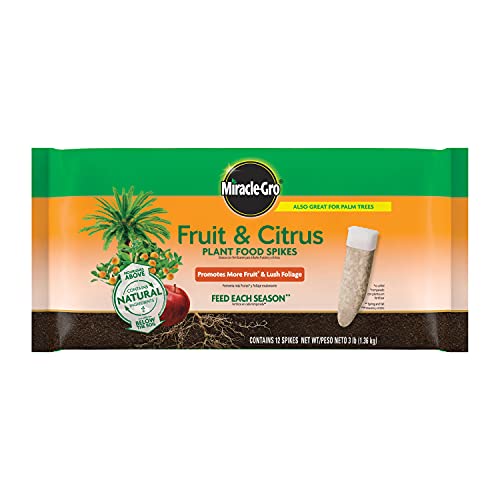
FORMULATED FOR CITRUS AND FRUIT TREES: Use these citrus fertilizer spikes on apple, orange, lemon, lime, and avocado trees; this formula is also great for feeding palm trees

🥑 AVOCADO ALLURE: Tailored to the unique needs of indoor avocado trees, our 3-1-2 Liquid Fertilizer Concentrate is your key to achieving the perfect balance of nitrogen, phosphorus, and potassium. This ensures your avocado tree thrives, bearing lush foliage and the promise of creamy, homegrown avocados.

Made for Lemon & Citrus Trees – Formulated to support healthy growth in lemon and citrus plants.
Watering and Fertilizing Techniques for Avocado Trees
Proper watering and fertilizing are crucial for the successful growth of avocado trees in North Carolina’s Piedmont and mountain regions. These techniques not only support healthy development but also enhance fruit production. Understanding the specific needs of avocado trees in these areas can lead to thriving plants and bountiful harvests.
Water deeply once a week.
Fertilize with avocado-specific fertilizer in spring and summer.
Avocado Pest Control Strategies for North Carolina
Effective pest control is crucial for the successful cultivation of avocado trees in North Carolina, particularly in the Piedmont and Mountain regions. This section explores various strategies tailored to address the unique pest challenges faced by avocado growers in these areas, ensuring healthy trees and bountiful harvests. Understanding these methods can significantly enhance the resilience of avocado crops against common threats.
Pest and disease management is vital to maintaining healthy avocado trees. Common pests include the avocado weevil and aphids.
Monitoring: Regularly inspect trees for signs of pests or diseases.
Control Methods: Use organic insecticides or introduce beneficial insects to control pest populations.
Recommended Products
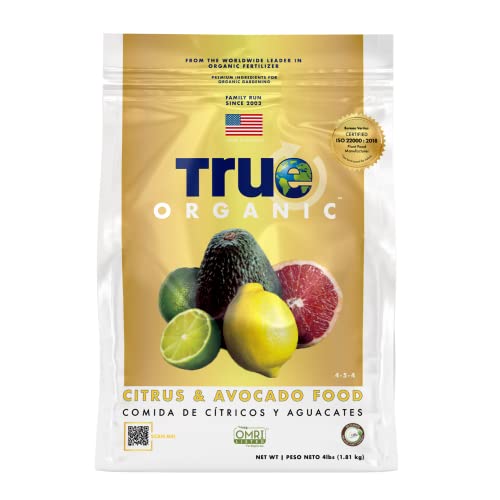
Lush Foliage and Abundant Fruit: Designed to promote vibrant green leaves, plentiful blossoms, and bountiful citrus and avocado harvests.

HEALTHY AVOCADO PLANTS: Our Avocado Fruit Fertilizer is formulated to nourish your avocado plants with micronutrients for lush growth and vibrant leaves while preventing yellowing and stunted growth.

【Expertly Crafted】Meticulously formulated with a blend of organic matter, perlite, and vermiculite for optimal tree growth and fruit production.
Pest Monitoring Techniques for Avocado Trees
Effective pest monitoring is crucial for the health of avocado trees in North Carolina’s Piedmont and Mountain regions. Understanding the specific pests that threaten these trees and employing targeted monitoring techniques can significantly enhance crop yield and quality. This section explores various strategies to identify and manage pest populations effectively, ensuring robust tree growth and fruit production.
Monitor trees for pests and diseases.
Apply organic insecticides as needed.
Optimal Avocado Harvest Timing in North Carolina
Understanding the optimal timing for avocado harvest in North Carolina is crucial for maximizing yield and quality. Factors such as climate, tree maturity, and local growing conditions play significant roles in determining when to pick avocados. This section delves into the best practices for harvesting avocados in the Piedmont and Mountain regions, ensuring a successful crop.
Harvesting avocados at the right time ensures optimal flavor and texture. Avocados do not ripen on the tree and should be harvested when they reach maturity.
Timing: Generally, avocados are ready to harvest 6-12 months after flowering.
Testing Ripeness: Gently squeeze the fruit; it should yield slightly when ripe.
Fruit Development Monitoring for Avocado Trees
Monitoring fruit development is crucial for the successful cultivation of avocado trees in North Carolina’s Piedmont and Mountain regions. Understanding the growth stages and environmental factors affecting fruit maturation can help growers optimize their practices and enhance yield. This section delves into the key aspects of tracking avocado fruit development to ensure healthy and productive trees.
Monitor fruit development for 6-12 months.
Test ripeness by squeezing the fruit.
Avocado Cultivation Strategies for North Carolina
Avocado cultivation in North Carolina presents unique challenges and opportunities, particularly in the Piedmont and Mountain regions. Understanding the specific strategies for growing these trees in varying climates and soil types is essential for successful production. This section explores effective techniques tailored to the state’s diverse agricultural landscape.
Successfully growing avocados in North Carolina requires understanding local climate conditions and logistics.
Climate Considerations: The Piedmont region has a temperate climate, while the Mountains may experience cooler temperatures.
Frost Protection: Use row covers or frost cloths during unexpected cold snaps.
Piedmont and Mountain Avocado Care Guidelines
Caring for avocado trees in North Carolina’s Piedmont and mountain regions requires specific attention to local climate and soil conditions. Understanding the unique challenges and best practices for these areas can help ensure healthy growth and fruitful harvests. This section provides essential guidelines tailored for successful avocado cultivation in these distinct environments.
| Region | Climate Type | Frost Risk | Recommended Actions |
|---|---|---|---|
| Piedmont | Temperate | Moderate | Monitor temperatures |
| Mountain | Cooler | High | Use frost protection |
Best Practices for Avocado Cultivation
Growing avocado trees in North Carolina’s Piedmont and mountainous regions presents unique challenges and opportunities. Understanding the best practices for cultivation is essential for maximizing yield and ensuring healthy growth. This section outlines effective techniques tailored to the specific climate and soil conditions of these areas, helping growers achieve successful avocado production.
Growing avocados in North Carolina is achievable with the right knowledge and techniques. Focus on selecting the best varieties, preparing the soil, and managing water and nutrients effectively. Regular monitoring for pests and diseases will further enhance your success.
