

Are your fruit trees struggling to produce the bounty you hoped for? Timing can be everything when it comes to fertilizing these trees, especially in Virginia’s unique climate. You might be wondering when the best time is to give your trees the nutrients they need to thrive.
In this article, you’ll discover the optimal times for fertilizing fruit trees throughout the seasons. With the right approach, you can boost your tree’s health and maximize its yield. Whether you’re a seasoned gardener or just starting out, this guide will help you make the most of your fruit trees and enjoy a fruitful harvest.
Key Takeaways
- Optimal Fertilization Times: Fertilize fruit trees in Virginia primarily in spring (late March to early April), summer (late June to early July), and early fall (late September to early October) to promote healthy growth and fruit development.
- Soil Testing Importance: Conduct soil tests every couple of years to identify nutrient deficiencies and tailor your fertilization strategy, ensuring optimal tree health based on specific needs.
- Fertilizer Types: Choose between organic (e.g., compost, manure, bone meal) and synthetic fertilizers (e.g., 10-10-10, urea) based on your gardening approach and the specific nutrient requirements of your trees.
- Avoid Common Mistakes: Steer clear of over-fertilizing, ignoring soil test results, fertilizing at the wrong times, or using inappropriate fertilizer types, as these can hinder tree growth and fruit production.
- Watering Considerations: Ensure adequate watering after fertilization to enhance nutrient absorption, supporting the overall health and productivity of your fruit trees.
- Monitor Tree Health: Regularly observe your trees for signs of nutrient deficiencies (e.g., yellow leaves, weak branches) and adjust your fertilization plan accordingly to maintain optimal growth.
Best Times to Fertilize Fruit Trees in Virginia
Understanding when to fertilize your fruit trees enhances growth and maximizes yield. In Virginia’s climate, timing makes a significant difference in tree health.
Spring Fertilization
Fertilize fruit trees in spring as buds begin to swell. This typically occurs between late March and early April. Apply a balanced fertilizer high in nitrogen to encourage strong growth and leaf development. Ensure even distribution around the drip line, where roots absorb nutrients most effectively. Monitor soil moisture; fertilizing dry soil can damage roots.
Summer Fertilization
In summer, particularly from late June to early July, apply a second round of fertilizer. You’ll want to use a slower-release formula to support fruit development. Avoid fertilizing too late in the summer, as it can promote new growth that won’t harden off before winter. Water the trees after fertilization to help nutrients penetrate the soil.
Fall Fertilization
Consider a light application of fertilizer in early fall, around late September to early October. Use a low-nitrogen formula to prepare trees for dormancy. This helps strengthen roots without encouraging excessive growth. Just be cautious not to apply in late fall, which can lead to frost damage on new growth, affecting your trees’ health come spring.
Types of Fertilizers for Fruit Trees
Fertilizers play a crucial role in the health and productivity of fruit trees. In Virginia, choosing between organic and synthetic fertilizers depends on your gardening approach and specific tree needs.
Organic Fertilizers
Organic fertilizers enhance soil health and promote long-term growth. They release nutrients slowly and improve soil structure. Common organic options include:
- Compost: Compost enriches the soil with a variety of nutrients. Use it around the base of trees in spring and fall.
- Manure: Aged manure provides essential nitrogen. Apply it in early spring, ensuring it is well-composted to avoid pathogens.
- Bone Meal: High in phosphorus, bone meal encourages root development and flowering. Apply it during the spring fertilization.
When using organic fertilizers, consider soil testing to determine nutrient deficiencies. Avoid over-application to prevent nitrogen burn.
Synthetic Fertilizers
Synthetic fertilizers offer quick nutrient availability and tailored formulations. They’re ideal when trees show specific deficiencies. Common synthetic options include:
- 10-10-10 Fertilizer: A balanced formula providing equal parts nitrogen, phosphorus, and potassium. Use it in early spring when buds begin to swell.
- Urea (46-0-0): High in nitrogen, urea supports leafy growth. Limit its use to early spring to avoid excessive foliage at the expense of fruit.
- Potassium Nitrate (13-0-44): This enhances fruit size and quality. Apply it in late spring or early summer when fruit set occurs.
Follow manufacturer guidelines for application rates. Monitor your trees’ response to ensure effective fertilization.
Soil Testing and Nutrient Needs
Soil testing plays a crucial role in determining the health of your fruit trees. You can identify nutrient deficiencies and tailor your fertilization strategy accordingly.
Recommended Products

Quick, at home results for Soil pH, Nitrogen, Phosphorous and Potash Innovative and inexpensive soil test kit features an easy-to-use capsule system and patented color comparators

Professional Soil Test Kit: All soil test kits on the market can not accurately detect soil chemical elements, the soil must be sent to the laboratory to test in order to obtain accurate data; NewTest Labs to solve this pain point, after a long period of in-depth research, the development of this professional soil testing kit; beginners can also accurately detect the chemical elements in the soil

KNOW BEFORE YOU GROW | Grow the healthiest, sustainable lawn and garden with the most accurate and easy to use professional soil test kit on the market
Importance of Soil Testing
Soil testing provides valuable insights into the nutrient composition of your soil. It helps you understand pH levels and nutrient availability. You should perform soil tests every couple of years to monitor changes. Testing in early spring, before fertilization, allows you to adjust your fertilization plan. Local extension services in Virginia often offer soil testing services at a reasonable cost.
Understanding Nutrient Deficiencies
Recognizing nutrient deficiencies enables you to take prompt action. Common deficiencies include nitrogen, phosphorus, and potassium.
- Nitrogen deficiency: Yellow leaves and stunted growth signal a nitrogen lack. Fertilize with a balanced fertilizer high in nitrogen during the spring.
- Phosphorus deficiency: Dark green leaves with purple tinges indicate low phosphorus. Use a fertilizer rich in phosphorus during active growth stages.
- Potassium deficiency: Weak branches and poor fruit quality suggest insufficient potassium. Consider a potassium-rich fertilizer in the summer.
Closely monitor your trees. If you notice any signs of nutrient deficiency, conduct a soil test to confirm your observations. This proactive approach supports the health and productivity of your fruit trees throughout the growing season.
Common Mistakes in Fertilizing
Fertilizing fruit trees in Virginia can yield great benefits, but several common mistakes can hinder their growth and fruit production. Here are key missteps to avoid:
Recommended Products
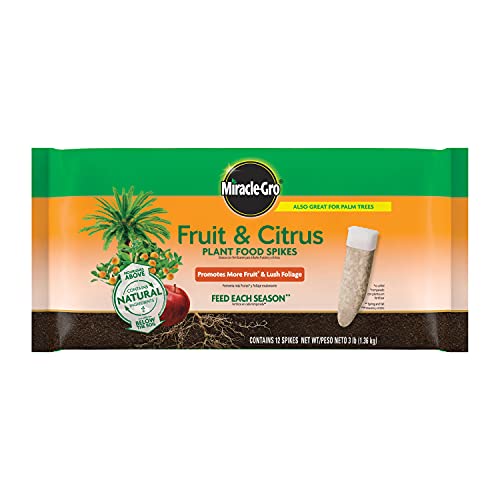
FORMULATED FOR CITRUS AND FRUIT TREES: Use these citrus fertilizer spikes on apple, orange, lemon, lime, and avocado trees; this formula is also great for feeding palm trees

Made for Lemon & Citrus Trees – Formulated to support healthy growth in lemon and citrus plants.

Down to Earth Fruit Tree is a five pound box of all natural fertilizer with 6-2-4 formula and is listed by the Organic Materials Review Institute (OMRI) for use in organic production
Over-Fertilizing
Over-fertilizing can damage your trees. Excess nutrients lead to rapid growth, making trees weak and susceptible to pests. Stick to recommended amounts and timings to maintain balance.
Ignoring Soil Tests
Ignoring soil tests can lead to nutrient imbalances. Always test your soil before applying fertilizers. This ensures you address specific deficiencies and avoid over-application.
Fertilizing at the Wrong Time
Fertilizing at the wrong time can stunt growth. Fertilization in late fall can encourage new growth that may not survive winter. Always fertilize according to recommended seasonal guidelines.
Not Considering Tree Age
Not considering tree age can lead to improper fertilization practices. Young trees require different nutrient profiles than mature ones. Tailor your fertilization to the age and needs of your trees.
Choosing the Wrong Fertilizer Type
Choosing the wrong fertilizer type can inhibit tree growth. Balance is crucial, whether you opt for organic or synthetic options. Understand the specific nutrient needs of your trees before making a choice.
Neglecting Watering Needs
Neglecting watering needs can result in poor nutrient absorption. After fertilizing, ensure your trees receive adequate irrigation. This supports the uptake of nutrients into the soil.
Skipping Regular Maintenance
Skipping regular maintenance can cause long-term issues. Plan to reevaluate your fertilization strategy regularly, adjusting based on seasonal changes and tree health.
By avoiding these common mistakes, you enhance the growth and productivity of your fruit trees in Virginia.
Conclusion
Fertilizing your fruit trees at the right times is key to ensuring they thrive in Virginia’s unique climate. By following the seasonal guidelines and choosing the appropriate fertilizers, you can boost your trees’ health and increase your harvest.
Remember to keep an eye on soil moisture and always consider soil testing to tailor your approach. Avoid common mistakes like over-fertilizing or applying at the wrong time to set your trees up for success. With a little care and attention, you’ll enjoy a fruitful bounty for years to come. Happy gardening!
Frequently Asked Questions
When is the best time to fertilize fruit trees in Virginia?
Fertilizing fruit trees in Virginia should be done in three key times: spring, summer, and early fall. In spring, apply fertilizer as buds swell, typically late March to early April. In summer, fertilize again from late June to early July. Finally, a light application in early fall, around late September to early October, prepares trees for winter dormancy.
What types of fertilizers are best for fruit trees?
The best fertilizers for fruit trees include both organic and synthetic options. Organic choices like compost and aged manure enhance soil health. Synthetic fertilizers such as 10-10-10 or potassium nitrate provide quick nutrient fixes. Always consider soil testing to determine the right fertilizer based on your trees’ specific needs.
Why is soil testing important for fruit trees?
Soil testing is crucial as it identifies nutrient deficiencies and informs a tailored fertilization strategy. Regular testing, ideally every couple of years, helps adjust your fertilization plan based on pH levels and nutrient availability, ensuring optimal growth and fruit production for your trees.
What common mistakes should I avoid when fertilizing fruit trees?
Common mistakes include over-fertilizing, neglecting soil tests, fertilizing at the wrong time, using the wrong fertilizer type, ignoring tree age, not considering watering needs, and skipping routine maintenance. Avoiding these can greatly enhance the growth and productivity of your fruit trees.
How does fertilization timing affect fruit tree health?
Proper fertilization timing greatly impacts fruit tree health. Fertilizing too early or too late can lead to nutrient burn or hinder growth. Fertilizing during critical growth phases supports development and maximizes fruit yield, while seasonal applications ensure trees have the nutrients they need throughout the year.
