

Growing banana trees in Nevada is feasible with the right irrigation techniques and care. The desert climate presents challenges, but proper planning and resource management can lead to successful cultivation.
Nevada Climate Challenges for Banana Cultivation
Nevada’s climate is characterized by hot summers and cold winters, which can pose challenges for growing banana trees. These tropical plants thrive in warm, humid conditions and require protection from frost. Understanding the local climate is essential for planning your banana cultivation.
Banana trees prefer temperatures between 75°F and 95°F. They can tolerate brief cold snaps but will struggle in prolonged freezing conditions. Selecting the right variety is crucial for success in this environment.
Recommended Products
![Greenwood Nursery: Live Perennial Plants - Musa Basjoo Cold Hardy Banana - [Qty: 2X Pint Pots] - (Click for Other Available Plants/Quantities)](https://m.media-amazon.com/images/I/51cl7jVVE3L._SL500_.jpg)
🌿 [INFO1] - Gives a tropical look to your garden. Grows from the Southern U.S. all the way to the southern part of Canada. A hardy Flowering Banana plant provides a tropical plant or jungle garden feel for pool landscapes, zen gardens and also makes an excellent container plant for porches, decks, patios & sunny areas of the house. The yellow orange flowers will produce small ornamental fruits that are not edible.
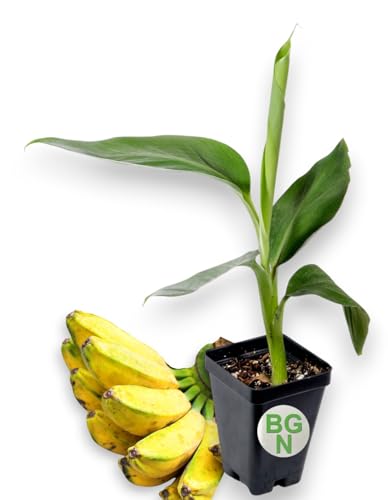
Size and Growth: The California Gold Banana plant is compact yet striking, reaching a mature height of about 5 to 7 feet. This manageable size makes it perfect for smaller spaces, urban gardens, or even as a potted plant on patios and balconies. Despite its smaller stature compared to other banana varieties, it delivers lush, wide leaves that lend a distinctly tropical feel to any setting.

Live Plants for Planting 🌱 – Includes 4 rooted Musa basjoo banana plants, ready to plant in your garden or large pots.
Best Banana Varieties for Desert Conditions
When cultivating banana trees in Nevada’s arid climate, selecting the right variety is crucial for success. Certain banana types thrive in desert conditions, offering resilience against heat and limited water. This section explores the best banana varieties suited for Nevada’s unique environment, ensuring optimal growth and fruit production.
Not all banana tree varieties are suitable for desert conditions. Some varieties are more resilient to heat and drought. Here are a few options to consider:
Dwarf Cavendish: This variety is compact and can adapt to various climates. It produces sweet fruit and is ideal for smaller spaces.
Ice Cream Banana: Known for its unique flavor, this variety is also more tolerant of cooler temperatures.
Orinoco: This variety is hardy and can withstand drought conditions, making it suitable for Nevada.
| Variety | Height | Cold Tolerance | Flavor Profile |
|---|---|---|---|
| Dwarf Cavendish | 4-5 ft | Moderate | Sweet |
| Ice Cream Banana | 6-8 ft | High | Unique |
| Orinoco | 6-10 ft | Moderate | Sweet |
Irrigation Strategies for Desert Banana Cultivation
Successfully cultivating banana trees in Nevada’s arid climate requires effective irrigation strategies tailored to the desert environment. Understanding the unique water needs of banana plants and implementing efficient irrigation methods can significantly enhance growth and fruit production. This section explores various techniques that can help ensure thriving banana trees in challenging conditions.
Irrigation is vital for cultivating banana trees in the desert. The lack of natural rainfall necessitates a reliable watering system. Here are some effective techniques:
Drip Irrigation: This method delivers water directly to the roots, minimizing evaporation and ensuring efficient water use.
Soaker Hoses: These hoses allow water to seep slowly into the soil, providing consistent moisture.
Mulching: Applying organic mulch around the base of the tree helps retain soil moisture and regulate temperature.
Banana Tree Soil Preparation Techniques
Preparing the right soil is crucial for successfully growing banana trees in Nevada’s challenging desert environment. This section explores effective soil preparation techniques that enhance drainage, nutrient availability, and moisture retention, ensuring optimal conditions for banana tree growth despite the arid climate. Implementing these strategies can significantly improve the health and yield of your banana plants.
Proper soil preparation is essential for the growth of banana trees. The soil should be well-draining and rich in organic matter. Here are steps to prepare your soil:
Test the Soil: Check pH levels and nutrient content to determine necessary amendments.
Amend the Soil: Incorporate compost or well-rotted manure to enhance fertility.
Ensure Drainage: If your soil retains too much water, consider raised beds to improve drainage.
| Soil Component | Purpose |
|---|---|
| Compost | Adds nutrients |
| Sand | Improves drainage |
| Peat Moss | Retains moisture |
Frost Protection Strategies for Banana Trees
Growing banana trees in Nevada presents unique challenges, particularly when it comes to protecting them from frost. Understanding effective frost protection strategies is essential for ensuring healthy growth and fruit production in this arid climate. The following section outlines practical methods to safeguard banana trees against cold temperatures.
Frost can severely damage banana trees. Implementing protective measures is crucial, especially during colder months. Consider the following strategies:
Frost Cloths: Use lightweight fabric to cover trees during cold nights.
Mulching: A thick layer of mulch can insulate roots and protect against temperature drops.
Windbreaks: Planting shrubs or erecting barriers can shield banana trees from cold winds.
Fertilization Techniques for Thriving Banana Trees
Fertilization is crucial for cultivating healthy banana trees, especially in Nevada’s arid climate. Understanding the right nutrients and application methods can significantly enhance growth and fruit production. This section explores effective fertilization techniques tailored to the unique challenges of growing bananas in desert conditions.
Regular fertilization is key to healthy banana trees. A balanced fertilizer can promote growth and fruit production. Here’s how to fertilize effectively:
Frequency: Fertilize every 6-8 weeks during the growing season.
Type of Fertilizer: Use a balanced fertilizer with equal parts nitrogen, phosphorus, and potassium.
Application: Follow package instructions for application rates based on tree size.
| Fertilizer Type | Nutrient Ratio | Application Rate |
|---|---|---|
| Balanced Fertilizer | 10-10-10 | 1 lb per tree |
| Organic Fertilizer | Varies | 2 lbs per tree |
Care Strategies for Banana Trees
Successfully growing banana trees in Nevada requires careful attention to their unique needs, especially in a desert environment. Implementing effective care strategies, including proper irrigation and soil management, is crucial for fostering healthy growth and maximizing fruit production. This section outlines essential techniques to ensure your banana trees thrive despite the challenging conditions.
Regular monitoring of your banana trees is essential for identifying issues early. Look for signs of stress, such as yellowing leaves or stunted growth. Adjust watering and fertilization as needed based on the tree’s response.
Overwatering can lead to root rot, while underwatering can stunt growth.
Maintaining a successful banana tree garden in Nevada requires attention to detail and proactive care. By selecting the right variety, implementing effective irrigation, and monitoring growth, you can enjoy the rewards of homegrown bananas.
