

Lemon trees thrive in San Antonio, TX, with the right care and conditions. Proper selection, planting, and maintenance ensure a fruitful harvest in South Texas.
Choosing Ideal Lemon Tree Varieties
Selecting the right lemon tree variety is crucial for successful cultivation in San Antonio’s unique climate. With its warm temperatures and specific soil conditions, certain varieties thrive better than others, ensuring a fruitful harvest. Understanding these options will help you make informed choices for your garden, maximizing both yield and enjoyment.
Choosing the right lemon tree variety is crucial for success in San Antonio’s climate. The most popular varieties include Eureka, Lisbon, and Meyer lemons. Each has unique characteristics that affect growth, fruit flavor, and disease resistance.
Eureka: Produces fruit year-round, ideal for continuous harvest.
Lisbon: Known for its high yield and adaptability to various conditions.
Meyer: A hybrid that offers sweeter fruit and is more cold-tolerant.
| Variety | Flavor Profile | Yield | Cold Tolerance |
|---|---|---|---|
| Eureka | Tart | High | Low |
| Lisbon | Tart | Very High | Low |
| Meyer | Sweet | Moderate | Moderate |
Recommended Products
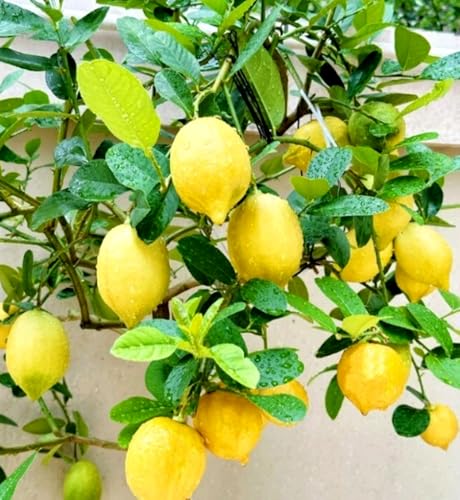
Meyer lemons are a thin-skinned hybrid fruit.
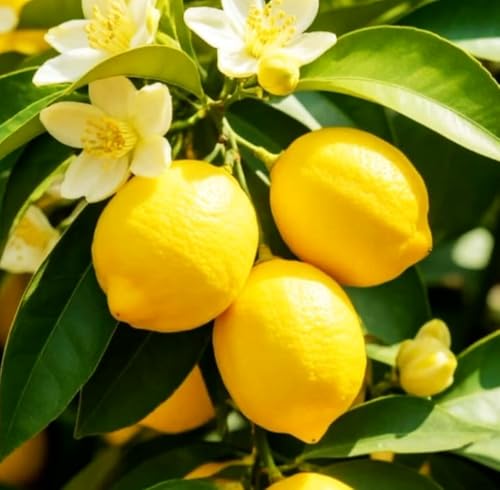
Step 1: Prepare Your Seeds - Gently rinse fresh seeds from a Meyer lemon to remove all pulp. For best results, plant immediately while still moist, or soak in lukewarm water for 2–4 hours to soften the outer shell.

FLAVORFUL LEMONS FOR YOUR KITCHEN: Our Meyer lemon tree produces fragrant blooms and citrus fruit for indoor or outdoor spaces. Each tree selected is blooming or ready to bloom, with the potential to produce fruit. Suited for mother's day gifts, plant gifts for women, plant gifts for mom, and Christmas plant gifts.
Lemon Tree Planting Site Preparation
Preparing the right site for planting lemon trees in San Antonio is crucial for their success in the unique South Texas climate. This section outlines essential steps to ensure optimal soil conditions, sunlight exposure, and drainage, setting the foundation for healthy growth and fruitful yields. Proper site preparation will help you cultivate thriving lemon trees that can withstand local environmental challenges.
A well-prepared planting site enhances the growth of lemon trees. Soil quality, drainage, and sunlight exposure are key factors to consider.
Soil: Use well-draining soil with a pH between 5.5 and 6.5. Amend with organic matter to improve fertility.
Sunlight: Select a location that receives at least 8 hours of direct sunlight daily.
Drainage: Ensure the area has good drainage to prevent root rot.
Soil Testing for Lemon Tree Success
Understanding the soil conditions in San Antonio is crucial for cultivating healthy lemon trees. Soil testing provides valuable insights into pH levels, nutrient content, and drainage capabilities, ensuring that your lemon trees thrive in the unique South Texas environment. This section will guide you through the importance of soil testing and how to interpret the results for optimal growth.
Testing the soil before planting is essential for optimal growth. Conduct a soil test to determine nutrient levels and pH.
Nutrients: Add fertilizers based on soil test results. A balanced fertilizer with nitrogen, phosphorus, and potassium is recommended.
Organic Matter: Incorporate compost to enhance soil structure and nutrient content.
Lemon Tree Planting Techniques and Care
Successfully growing lemon trees in San Antonio requires specific techniques tailored to the region’s climate and soil conditions. Understanding the best practices for planting and ongoing care will ensure healthy growth and fruitful yields. This section explores essential methods to help you cultivate thriving lemon trees in South Texas.
Proper planting techniques and initial care set the foundation for healthy lemon trees. Follow these steps for successful planting.
Dig a Hole: Create a hole twice the width of the root ball and the same depth.
Position the Tree: Place the tree in the center, ensuring the graft union is above soil level.
Backfill: Fill the hole with soil, gently tamping to eliminate air pockets.
Water: Water thoroughly after planting to establish roots.
Watering Schedule for Young Lemon Trees
Establishing a proper watering schedule is crucial for the health and growth of young lemon trees in San Antonio’s unique climate. Understanding the specific needs of these trees will help ensure they thrive in the warm, often dry conditions of South Texas, setting the foundation for fruitful harvests in the future.
Watering is critical during the first year. Establish a consistent schedule to promote root development.
Frequency: Water deeply once a week, adjusting based on rainfall.
Signs of Stress: Monitor for yellowing leaves or wilting, indicating the need for more water.
Fertilization Strategies for Lemon Trees
Fertilizing lemon trees in San Antonio requires a tailored approach to ensure healthy growth and fruit production. Understanding the specific nutrient needs of these trees, along with the best timing and methods for application, can significantly enhance their vitality in the unique South Texas climate. This section outlines effective fertilization strategies to cultivate thriving lemon trees.
Regular fertilization promotes healthy growth and fruit production. Use a specialized citrus fertilizer to meet the nutritional needs of lemon trees.
Timing: Fertilize every 6-8 weeks during the growing season.
Application: Follow package directions for quantity based on tree size.
Recommended Products

CITRUS PLANT FOOD: This avacado, mango and citrus fruit tree fertilizer feeds plants for up to 3 months and nourishes above and below the soil

Balanced Organic Nutrition – Supplies a 6‑3‑3 NPK ratio along with calcium, sulfur, iron, and zinc to foster healthy foliage, flowering, and fruit.

FOR USE ON: Use Citrus-tone organic fertilizer for all citrus trees, including lemon, lime, orange, Meyer Lemon Trees as well as for avocado & nut trees
Pest and Disease Control for Lemon Trees
Maintaining healthy lemon trees in San Antonio requires vigilance against pests and diseases that can threaten their growth and fruit production. This section provides essential strategies and solutions tailored for the unique challenges faced by lemon tree growers in South Texas, ensuring your trees thrive in the local climate. Understanding these threats is crucial for successful cultivation.
Lemon trees are susceptible to various pests and diseases. Regular monitoring and preventive measures can mitigate issues.
Common Pests: Aphids, spider mites, and scale insects. Use insecticidal soap or neem oil for treatment.
Diseases: Root rot and citrus greening. Ensure proper drainage and avoid overwatering to prevent these issues.
Optimal Lemon Harvesting Techniques
Harvesting lemons at the right time and using the proper techniques can significantly enhance the yield and quality of your fruit. In San Antonio’s unique climate, understanding when and how to pick your lemons is crucial for maximizing their flavor and freshness. This section outlines effective methods to ensure a successful lemon harvest in South Texas.
Knowing when and how to harvest lemons ensures maximum flavor and longevity. Lemons are typically ready for harvest when they turn bright yellow.
Harvesting Technique: Use pruning shears to cut the fruit from the tree, leaving a small stem attached.
Storage: Store harvested lemons in a cool, dry place. They can last up to two weeks at room temperature or longer in the refrigerator.
Fruit Production Techniques for Lemon Trees
Growing lemon trees in San Antonio requires specific techniques to maximize fruit production in the region’s unique climate. Understanding the best practices for soil preparation, watering, and pest management can significantly enhance your yield. This section will explore effective strategies tailored for successful lemon cultivation in South Texas.
Encouraging more fruit production involves proper pruning and care.
Pruning: Trim dead or crossing branches to improve airflow and sunlight penetration.
Thinning: Remove excess fruit to allow remaining lemons to grow larger.
Lemon Tree Care Tools and Supplies
Caring for lemon trees in San Antonio requires the right tools and supplies to ensure healthy growth and fruitful harvests. From soil amendments to pruning shears, having the appropriate equipment can make a significant difference in your gardening success. This section outlines essential items that will help you cultivate thriving lemon trees in the unique climate of South Texas.
Having the right tools and supplies simplifies lemon tree care. Consider these essential items.
Pruning Shears: For maintaining tree shape and health.
Soil Test Kit: To assess soil quality and nutrient levels.
Fertilizer: A balanced citrus fertilizer for optimal growth.
| Tool/Supply | Purpose |
|---|---|
| Pruning Shears | Trim branches |
| Soil Test Kit | Assess soil quality |
| Fertilizer | Provide nutrients |
Lemon trees can flourish in San Antonio with the right variety, care, and attention to detail. Proper preparation, maintenance, and harvesting techniques lead to a successful lemon harvest.
Recommended Products

Quick, at home results for Soil pH, Nitrogen, Phosphorous and Potash Innovative and inexpensive soil test kit features an easy-to-use capsule system and patented color comparators

Kindly NOTE: This soil tester can not be applied to test pH value of any other liquid. If the soil is too dry the indicator will not move, and water it before testing.

KNOW BEFORE YOU GROW | Grow the healthiest, sustainable lawn and garden with the most accurate and easy to use professional soil test kit on the market
