

Jujube trees thrive in Chesapeake, VA, thanks to their adaptability to coastal climates. Proper planting techniques and care can lead to fruitful harvests, making these trees a valuable addition to local gardens.
Jujube Trees Coastal Growth Requirements
Jujube trees, also known as Chinese dates, require specific conditions to flourish in coastal environments like Chesapeake. They thrive in well-drained soil and prefer full sun exposure for optimal growth. Understanding their growth needs is essential for successful planting and maintenance.
Recommended Products

Premium Seed Pack: Contains 20 high-quality Asian Date Jujube seeds (Ziziphus Spinosa), also known as Chinese Tsao, allowing you to grow multiple trees and increase your chances of successful germination and cultivation

Produces sweet and nutritious fruits that are packed with vitamins

Ideal Soil Types for Jujube Trees
Understanding the ideal soil types for jujube trees is crucial for successful cultivation in Chesapeake, VA. The right soil conditions not only enhance growth but also improve fruit quality, making it essential for local gardeners and farmers to choose wisely. This section delves into the specific soil characteristics that support the thriving of jujube trees in coastal environments.
The right soil composition is crucial for jujube trees. They prefer sandy or loamy soils that drain well. Heavy clay soils can lead to root rot, so consider the following soil characteristics:
| Soil Type | Drainage | pH Level | Nutrient Content |
|---|---|---|---|
| Sandy | Excellent | 6.0-7.5 | Low |
| Loamy | Good | 6.0-7.5 | Moderate |
| Clay | Poor | 6.0-7.5 | High |
Ensure the soil is amended with organic matter to improve drainage and nutrient availability. Testing the soil pH can guide necessary adjustments.
Jujube Tree Planting Best Practices
Planting jujube trees in Chesapeake, VA requires careful consideration of the coastal climate and soil conditions. Understanding the best practices for their cultivation can lead to healthier trees and a more fruitful harvest. This section outlines essential techniques and tips for successfully establishing jujube trees in this unique environment.
Proper planting techniques can significantly impact the health of jujube trees. Choose a location that receives at least six hours of sunlight daily. Follow these steps for effective planting:
Select a healthy juzube sapling from a reputable nursery.
Dig a hole twice the width of the root ball and the same depth.
Mix native soil with compost to enhance nutrient content.
Position the tree in the center of the hole, ensuring the root flare is level with the soil surface.
Backfill the hole with the soil mixture and water thoroughly.
Avoid planting during extreme heat or cold to minimize stress on the tree.
Jujube Tree Watering and Fertilization Guidelines
Proper watering and fertilization are crucial for the health and productivity of jujube trees, especially in the unique climate of Chesapeake, VA. Understanding the specific needs of these trees can help ensure robust growth and fruit production. This section outlines essential guidelines to effectively nurture jujube trees in coastal conditions.
Watering and fertilization are critical for the establishment of jujube trees. Newly planted trees require consistent moisture but should not be waterlogged. Follow these guidelines:
Water deeply once a week during dry spells.
Use a balanced fertilizer in early spring to promote growth.
Reduce watering frequency as the tree matures.
Monitor the tree for signs of stress, such as wilting leaves or yellowing foliage, which may indicate over or under-watering.
Jujube Tree Pest and Disease Control
Managing pests and diseases is crucial for the health of jujube trees in Chesapeake, VA. This section delves into common threats faced by these trees in coastal environments and offers effective strategies for prevention and control. Understanding these challenges will help ensure a thriving jujube tree population in your garden.
Jujube trees are relatively pest-resistant but can still be affected by certain issues. Regular monitoring and preventive measures can help maintain tree health. Common pests include:
Aphids
Scale insects
Spider mites
To manage these pests, consider using insecticidal soap or neem oil. Regularly inspect leaves and branches for signs of infestation.
Recommended Products


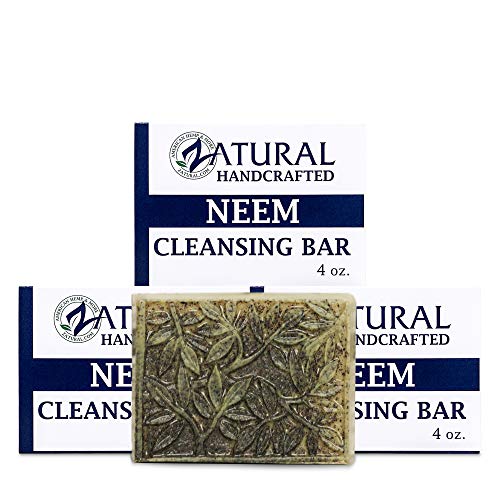
PURE NEEM OIL FORMULA – Expertly crafted with high-quality, cold-pressed Neem oil. This plant-based cleansing bar delivers the natural properties of the Neem leaf directly to your skin without harsh chemicals or synthetic additives.
Diseases Impacting Jujube Tree Health
Understanding the diseases that affect jujube trees is crucial for maintaining their health and productivity, especially in the unique climate of Chesapeake, VA. This section delves into the common ailments that can threaten these resilient trees, providing insights into prevention and management strategies tailored for coastal planting conditions.
While jujube trees are hardy, they can be susceptible to diseases such as:
Root rot
Leaf spot
Powdery mildew
Preventive measures include ensuring proper drainage and spacing between trees for airflow. If diseases occur, remove affected areas promptly and apply appropriate fungicides.
Optimal Timing for Jujube Harvest
Understanding the optimal timing for harvesting jujube trees is crucial for maximizing fruit quality and yield in Chesapeake, VA. This region’s unique climate and growing conditions influence when the fruit reaches its peak ripeness, ensuring that growers can enjoy the best flavors and textures. Proper timing also plays a significant role in the overall success of jujube cultivation in coastal environments.
Harvesting jujube fruits requires careful timing to ensure optimal flavor and texture. Jujubes can be harvested when they turn from green to a reddish-brown color. Follow these steps for successful harvesting:
Observe the color change in the fruits.
Gently twist the fruit to detach it from the branch.
Collect the fruits in a basket to avoid bruising.
Fruits can be eaten fresh or dried for later use. Proper storage in a cool, dry place can extend their shelf life.
Coastal Climate Considerations for Jujube Trees
Understanding the coastal climate of Chesapeake, VA is essential for successfully growing jujube trees. This region’s unique weather patterns, including humidity levels and temperature fluctuations, significantly influence the health and productivity of these trees. By considering these factors, gardeners can optimize their planting strategies and ensure a thriving jujube harvest.
Understanding local climate conditions is essential for successful jujube tree planting. Chesapeake’s coastal climate offers unique challenges and advantages. Consider the following factors:
Salt tolerance: Jujube trees can withstand some salt exposure, making them suitable for coastal areas.
Wind protection: Plant trees in sheltered areas to protect them from strong coastal winds.
Seasonal care: Adjust care routines based on seasonal changes to optimize growth.
Implementing these logistics can enhance the success of your jujube trees in Chesapeake.
Jujube Tree Care for Coastal Conditions
Jujube trees thrive in Chesapeake, VA, where coastal conditions can pose unique challenges. Understanding how to care for these resilient trees is essential for successful growth in this environment. This section outlines effective strategies to ensure your jujube trees flourish despite the coastal climate.
Jujube trees are a resilient choice for coastal planting in Chesapeake. Proper soil, watering, and pest management are key to thriving trees. With the right care, you can enjoy a fruitful harvest for years to come.
Recommended Products

Mimosa Nursery Chico Jujube

9EzTropical - Jujube LI Tree - 2 Feet Tall
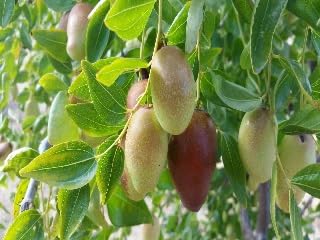
9EzTropical - Jujube GA866 Tree
