

Growing jujube trees in Detroit, MI can be successfully achieved with the right knowledge of local conditions and tree care techniques. These trees thrive in urban environments, offering sweet fruit and unique beauty to your garden.
Jujube Tree Varieties for Urban Gardens
When selecting jujube tree varieties for urban gardens in Detroit, it’s essential to consider factors like climate adaptability and space constraints. Certain varieties thrive in the city’s unique environment, offering both aesthetic appeal and delicious fruit. This section will explore the best options for urban gardeners looking to cultivate these resilient trees successfully.
Jujube trees come in several varieties, each with unique characteristics. The most popular types include the Li, Lang, and Sugar jujube. Understanding these varieties helps you choose the best fit for your urban garden.
Li: Known for its sweet, chewy fruit, this variety is highly productive.
Lang: Offers larger fruit with a crisp texture, ideal for fresh eating.
Sugar: Produces small, sweet fruits that are perfect for snacking.
Selecting the right variety is crucial for successful growth in Detroit’s climate.
Essential Supplies for Jujube Cultivation
Growing jujube trees in Detroit requires careful planning and the right supplies to ensure success in an urban environment. From soil amendments to proper tools, having the essential items on hand will facilitate healthy growth and fruit production. This section outlines the key supplies needed for cultivating jujube trees effectively in your garden.
Before planting, gather necessary supplies to ensure healthy growth. This checklist will help you prepare your garden effectively.
| Supply Item | Purpose |
|---|---|
| Quality soil | Provides nutrients and drainage |
| Mulch | Retains moisture and suppresses weeds |
| Fertilizer | Supports growth during the growing season |
| Pruning shears | Maintains tree shape and health |
Having these items ready will streamline your planting process.
Optimal Site Preparation for Jujube Trees
Preparing the right site is crucial for successfully growing jujube trees in Detroit’s unique urban environment. This section will guide you through essential steps to ensure your planting area meets the specific needs of jujube trees, from soil quality to sunlight exposure, helping you create an ideal foundation for healthy growth and fruitful harvests.
Choosing the right location and preparing the site is vital for jujube trees. They prefer full sun and well-drained soil.
Select a sunny spot with at least six hours of sunlight daily.
Test soil pH to ensure it is between 6.0 and 8.0.
Amend soil with organic matter if necessary to improve drainage.
Proper site preparation sets the foundation for robust tree growth.
Jujube Tree Planting Techniques for Success
Planting jujube trees in Detroit requires specific techniques to ensure their successful growth in an urban environment. Understanding the unique climate and soil conditions of the area is crucial for establishing healthy trees that can thrive. This section will outline effective planting strategies tailored to the challenges and opportunities of urban gardening in Detroit.
Planting jujube trees requires careful execution to ensure their success. Follow these steps for optimal results.
Dig a hole twice the width and equal depth of the root ball.
Place the tree in the center of the hole, ensuring the graft union is above soil level.
Backfill with soil, gently tamping down to eliminate air pockets.
Water thoroughly to settle the soil around the roots.
These steps will help establish a strong root system.
Jujube Tree Maintenance Practices
Maintaining jujube trees in Detroit requires a tailored approach to ensure their health and productivity in an urban environment. Understanding specific care practices, including watering, pruning, and pest management, is essential for thriving trees. This section delves into effective maintenance strategies that will help you cultivate robust jujube trees in your garden.
Regular care is essential for the health of your jujube trees. This includes watering, fertilizing, and pruning.
Water: Ensure the trees receive at least one inch of water weekly during dry spells.
Fertilize: Apply a balanced fertilizer in early spring and again in mid-summer.
Prune: Remove dead or crossing branches annually to promote airflow and fruit production.
Consistent care will lead to healthy trees and abundant fruit.
Recommended Products

【Unique Design Deep Root Tree Watering Tool】 Our root watering tool have four exit hole for the water,won't got clogged easily,It made of stainless steel,not rusting from the inside out.It can leave in the soil and is strong enough to drive through gravel,help your plants build a strong root system .

Deep Root Irrigation with 4-Hole Design – Sharp stainless steel tip helps enter most garden soils, while the 4 side-hole outlet helps reduce clogging and delivers water or liquid fertilizer deeper into the root zone for backyard trees, fruit trees, and garden plants.

Ross Root Feeder's easy to use system stops pollution from fertilizer run-off and costly waste of water from evaporation
Pest and Disease Management for Jujube Trees
Managing pests and diseases is crucial for the health of jujube trees, especially in urban environments like Detroit. Understanding common threats and implementing effective control measures can ensure your trees thrive. This section outlines practical strategies to protect your jujube trees from potential infestations and diseases, helping you maintain a flourishing urban garden.
Jujube trees are relatively pest-resistant but can still face challenges. Keep an eye out for common pests and diseases.
Aphids: Small insects that can weaken trees. Use insecticidal soap to control them.
Scale: These pests can be removed with horticultural oil.
Fungal issues: Ensure good air circulation to prevent diseases like root rot.
Regular monitoring helps catch issues before they escalate.
Recommended Products
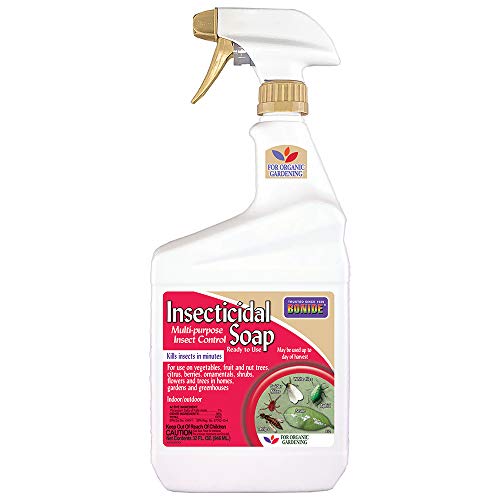
Captain Jack's Insecticidal Super Soap controls species of adelgid, ant, aphid, borer, caterpillar, spider mite, cricket, chinch bug, weevil, fly, thrip, and more

PEST DEFENSE - Insecticidal Super Soap controls species of adelgid, ant, aphid, borer, caterpillar, spider mite, cricket, chinch bug, weevil, fly, thrip, & more.

READY-TO-USE CONTACT SPRAY: No mixing required. Thoroughly spray insecticide on all plant parts, including the underside of leaves. Pests must be sprayed directly to achieve control
Optimal Timing for Jujube Harvest
Understanding the optimal timing for harvesting jujube trees is crucial for maximizing flavor and yield in Detroit’s unique climate. This section will guide you through the signs of ripeness and the best practices for harvesting, ensuring your jujube trees thrive in your urban garden. Timing your harvest correctly can significantly enhance your overall success with these resilient trees.
Harvesting jujube fruit at the right time ensures the best flavor. The fruit can be picked when it turns a rich brown color and is slightly soft to the touch.
Check daily as the fruit ripens, especially in late summer to early fall.
Gently twist the fruit to detach it from the tree.
Store in a cool place to extend freshness.
Proper harvesting techniques maximize your yield.
Troubleshoot Common Growth Issues
Growing jujube trees in Detroit can be rewarding, but various challenges may arise during their development. Understanding common growth issues is essential for successful cultivation, particularly in an urban environment where conditions can differ significantly from rural settings. This section will address typical problems and provide practical solutions to ensure your jujube trees thrive.
Identifying and addressing growth issues early can save your jujube trees. Common problems include poor fruit set and leaf drop.
| Issue | Possible Cause | Solution |
|---|---|---|
| Poor fruit set | Insufficient pollination | Plant multiple varieties for cross-pollination |
| Leaf drop | Overwatering or drought stress | Adjust watering schedule accordingly |
Understanding these issues allows for timely interventions.
Urban Jujube Tree Gardening Advantages
Growing jujube trees in an urban environment like Detroit offers unique advantages that can enhance both your garden and community. These resilient trees thrive in various conditions, providing delicious fruit and aesthetic appeal while requiring minimal maintenance. Understanding these benefits can help urban gardeners make the most of their limited space and resources.
Growing jujube trees in an urban setting offers numerous advantages. These trees not only provide delicious fruit but also enhance your garden’s aesthetic appeal.
Space-saving: Jujube trees can be grown in smaller areas.
Wildlife-friendly: Attracts birds and beneficial insects.
Low maintenance: Requires less care compared to other fruit trees.
Embracing urban gardening can lead to a more sustainable lifestyle.
