

A mango tree typically grows in warm, humid climates and can reach up to 40 feet in height. The average lifespan of a mango tree is 20-30 years. While it is possible to grow mango trees in California, the climate is not ideal and the trees will likely not produce fruit. Mango trees require a minimum of four months of consistent temperatures above 65 degrees Fahrenheit in order to produce fruit. California’s climate is generally not warm enough for long enough to support mango tree growth.
No, a mango tree cannot grow in California.
Recommended Products

Used Book in Good Condition
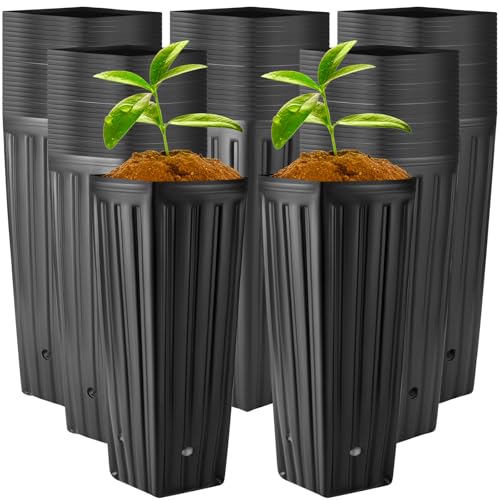
Rich in Quantity: you will receive 500 pieces of plastic plant pots with drainage holes, the sufficient quantity is enough to meet your daily use and growing needs, which can also be applied to grow various fruits and flowers

Can you grow mango trees in LA?
Mangos are a great fruit to grow in Southern California because they require very little maintenance. The key to getting healthy and productive plants is to make sure they have enough water. This means watering them regularly, but especially during bloom and fruit development. With proper care, you can enjoy delicious mangos that are perfect for snacking or adding to your favorite recipes.
Mango trees are best suited for growth in tropical or subtropical climates. Their fruit and flowers can sustain damage in temperatures that dip below 40 degrees Fahrenheit, and temperatures below 25 degrees Fahrenheit can kill entire trees. For these reasons, mango trees grow best in USDA hardiness zones 10b and 11, which includes parts of southern California.
Can mango trees grow in Bay Area California
Yes, it is true that you can successfully grow mangos in the San Francisco Bay Area and throughout low elevation Northern California. The best microclimates and with minor winter protection within the colder zones are ideal for growing mangos.
Mangos are a tropical fruit that can be grown in California in the southern coastal part of the state, including the Coachella desert. While there are several challenges to commercial production of mangoes in the desert, it is possible to grow them successfully. With proper irrigation and care, mangoes can thrive in the desert climate.
Can mango trees grow in San Diego?
Mangos love the heat, so the warmer the area, the better. They will grow more quickly in these areas. Strip fruit from young trees to encourage growth, and thin out fruit clusters to get larger fruit when the trees are of fruit-bearing size.
Florida and California have climates that are well suited for growing mangoes. If the average temperature in your area is between 80-100 degrees Fahrenheit, you can grow them outdoors. However, if your area experiences frost in the winter, you will need to keep your mango plant indoors during that time.
Can mangoes survive winter?
Maggots are surprisingly resilient creatures. In lab experiments, they have been shown to endure temperatures as low as -60 °C with no consequences. This is likely due to the fact that many cold-tolerant animals avoid freezing solid by stocking up on molecules with low freezing points.
The mango is a tropical fruit that can tolerates a wide range of climates, from warm temperate to tropical. It fruits best in areas of low rainfall and low relative humidity at flowering, fruit setting and harvest, and with a warm to hot climate during fruit development. The mango is susceptible to cold.
Recommended Products
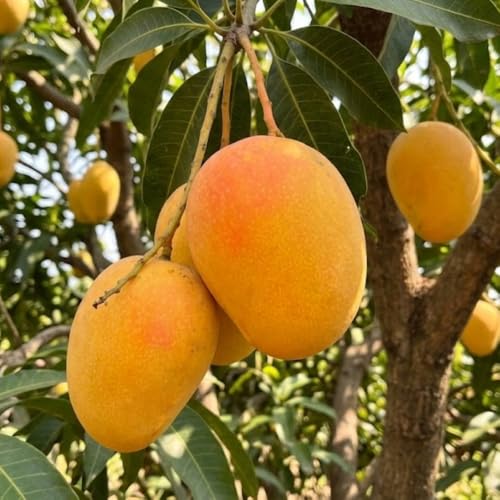
Includes 1 live bright yellow mango plant, approximately 2–2.5 feet tall, ready for outdoor planting

Tropical Fruit Seeds: Grow your own delicious mangoes at home with this set of 3 premium mango tree seeds, perfect for cultivating fresh, sweet tropical fruit right in your garden or indoor space
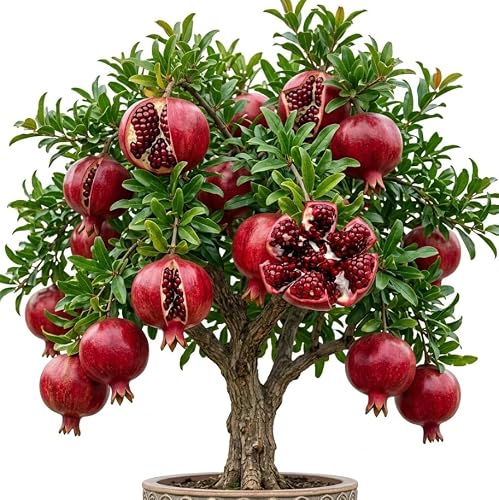
Each order includes a live red pomegranate plant, carefully grown and ready to thrive in your garden or home.
What is the best state to grow mangoes
The mango tree growing zone is limited to tropical climates. Extended exposure to temperatures below 30°F can kill or severely damage a mango tree, as mango tree cold tolerance is low. So, in the US the mango tree growing zones are the southernmost portions of Florida and California plus Hawaii and Puerto Rico.
As the climate in Bay Area becomes milder, a number of fruits that were once only grown in more temperate climates are now thriving here. This shift presents an opportunity for local growers to expand their operations to include these new, in-demand fruits.
Persimmons, figs, and pomegranates are a few of the most popularmediterranean and Asian fruits that are now being grown in Bay Area. While all three of these fruits require some level of maintenance, they are relatively low-maintenance compared to other fruit trees.
Persimmons are one of the easiest fruit trees to grow in Bay Area. They are tolerant of a wide range of soils and require little pruning. Figs are another low-maintenance fruit tree that does well in Bay Area. They are drought-tolerant and can be grown in a wide range of soils. Pomegranates are a bit more high-maintenance than persimmons and figs, but they are still relatively easy to grow in Bay Area. They prefer well-drained soils and need to be watered regularly.
If you are looking for fruit trees that are relatively easy to grow and require little maintenance, then persimmons, figs, and
What tropical fruits can you grow in California?
California Tropical Fruit Tree Nursery offers a wide variety of fruit trees that are sure to please everyone. Some of our customer favorites include cherry, lychee, sapote, longan, and mulberry. We also have a wide variety of Asian fruits that are sure to be a hit with your friends and family. So come on down and check us out, we know you won’t be disappointed.
California is a great place to grow fruit trees! The climate is mild and there is plenty of sunshine. The soil is also rich and fertile, making it ideal for growing fruit trees.
There are a few things to keep in mind when growing fruit trees in California. First, you’ll need to choose the right type of tree for your climate. In zones 8-9 along the coast, the climate is quite mild and most fruit trees will do well. However, in southern California, the climate is warmer and you’ll need to choose fruit trees that can tolerate the heat and lack of chill hours.
Another thing to consider is the amount of water your fruit trees will need. California is a semi-arid state, so you’ll need to water your trees regularly to ensure they stay healthy and produce plenty of fruit.
With a little care and attention, your California fruit trees will thrive and produce an abundance of delicious fruit for you to enjoy!
Recommended Products

Harvest Season: Produces large, round, golden-brown pears ready for harvest from late summer to early fall

4 kinds of the most popular fruits, individually packaged, 50pcs Lemon seeds 50pcs Cherry seeds 50pcs Orange seeds 50pcs Apple seeds Fresh seeds, all fruit seeds are packed in tear and moisture resistant zipper sealed bags for your long term storage.

🌱 4 Unique Fruit Bonsai Varieties: Includes 40 total seeds: 10 Papaya, 10 Peach, 10 Cherry, and 10 Banana seeds. A fun and unique collection for growing miniature fruit trees and experimenting with bonsai growing techniques.
What fruit is mostly grown in California
Oranges are a top commodity in the United States and are one of the most consumed fruits by Americans. California produces more than 80% of the United States’ fresh oranges and also exports to 16 countries around the world.
Meyer lemons are becoming increasingly popular due to their sweetness relative to regular lemons. They are grown predominantly in California but are becoming more widespread. Chefs love them for their versatility in both sweet and savory dishes, as well as in cocktails and lemonades. Keep an eye out for Meyer lemons the next time you’re at the grocery store!
What is the best fruit tree in California?
There are a variety of fruit trees that grow well in California. Figs are known to grow particularly well across California, particularly in the South. There are also many varieties of apple trees that grow and produce well in the state. Additionally, jujube, persimmon, loquat, and pomegranate trees all thrive in California’s climate. And, of course, nectarines and peaches are also known to grow well in the state.
A mango tree from seed requires at least five to eight years to bear fruit; a nursery sapling should produce fruit in about four years. Mango trees grow to 35–40 m (115–131 ft) tall, with a compact crown. The trees are long-lived, as some specimens still bearing fruit after 300 years have been documented.
Do you need 2 mango trees to produce fruit
Mangoes are a type of fruit that grow on a tree. They are self-fertile, meaning they do not need to be cross-pollinated in order to produce fruit. The flowers that the mango tree produces are profuse, meaning there are a lot of them, and they grow in panicles, which are clusters of flowers. The actual mango fruits grow at the end of a long, string-like stem (which used to be the panicle), and there can sometimes be two or more mangoes on one stem.
Mango season in the US varies depending on the state, but generally falls between May and August. Mangoes from Florida, California and Hawaii are especially delicious during this time. If you want to eat mangoes that haven’t traveled far, June and July are the best months to enjoy them.
Can mango tree grow in Las Vegas
Tropical fruits like mangos and pineapples and citrus do indeed thrive in the hot sun. So planting them in areas of heavy shade can be a problem. Once the soil is improved, the tropical plants can actually do quite well. The front of his house, which receives considerable sun, is all desert plants.
Mangoes are not just a tropical fruit, they can also be grown in desert Arizona climate! They have good heat and drought tolerance, making them a perfect fruit for the desert. So if you’re looking to add a little tropical flair to your desert garden, consider growing a mango tree!
Can I grow a mango tree in the desert
Mangoes are a tropical fruit, and as such, they require a warm, humid climate to grow. However, with the proper irrigation and care, they can thrive in desert conditions. desert conditions. While the fruits may not be as large or plentiful as in more tropical regions, they can still be delicious and of good quality. With the right care, mangoes can be a great addition to any desert garden.
While mango trees can be grown indoors, it is unlikely that your indoor tree will ever produce fruit. The reason is two-fold: In order to fruit, mango trees need a very warm, tropical environment for extended periods of time, which is not easy to come by indoors.
Do mangoes grow all year round
Mangos are always in season in the United States! No matter what time of year it is, you can always find fresh mangos at your local grocery store or farmer’s market. So don’t wait for summer to enjoy this delicious fruit – start eating mangos now!
Water your mango tree once a week starting in the fall and continuing through the winter to keep the tree healthy and vigorous. Cold temperatures can cause a tree to dehydrate quickly, making frost damage more severe.
Warp Up
Unfortunately, mango trees cannot grow in California. The state’s climate is not tropical enough to support the growth of these trees.
It is possible for a mango tree to grow in California. The climate is warm enough in some parts of the state, such as Southern California, for the tree to survive. However, the mango tree may not produce fruit because the climate is not tropical enough.
