

Nectarine trees can thrive in New Hampshire with the right care and selection. Choosing cold-hardy varieties and implementing effective growing strategies will yield healthy fruit trees suited for the region’s climate.
Cold-Hardy Nectarine Varieties for New Hampshire
When growing nectarines in New Hampshire, selecting varieties that can withstand colder temperatures is crucial. Some of the best options include Fantasia, Arctic Jay, and Snow Queen. These varieties are known for their resilience against frost and adaptability to northern climates.
| Variety | Hardiness Zone | Flavor Profile | Fruit Size |
|---|---|---|---|
| Fantasia | 5-8 | Sweet and juicy | Large |
| Arctic Jay | 4-8 | Crisp and tangy | Medium |
| Snow Queen | 5-8 | Sweet and aromatic | Large |
Recommended Products

Non-GMO Seeds: These nectarine tree seeds are completely natural and non-genetically modified, ensuring you grow authentic, wholesome fruit trees that produce delicious nectarines with traditional flavor and nutritional value for your family to enjoy

We cannot ship this live plant to CA, AZ, AK, or HI. Any orders placed from these states will be canceled and refunded immediately.
Soil Preparation for Nectarine Growth
Soil preparation is essential for healthy growth. Nectarines prefer well-drained, sandy loam soil with a pH between 6.0 and 7.0. Conduct a soil test to determine nutrient levels and pH. Amend the soil with organic matter like compost or well-rotted manure to enhance fertility and drainage.
Test soil pH using a home kit or local extension service.
Add compost to improve soil structure and nutrients.
Ensure proper drainage by incorporating sand if needed.
Nectarine Tree Planting Best Practices
Proper planting techniques can significantly impact the success of your nectarine trees. Plant in early spring after the last frost to give trees a full growing season. Dig a hole that is twice the width of the root ball and slightly deeper.
Position the tree so that the graft union is above soil level.
Backfill with native soil mixed with compost.
Water thoroughly after planting to eliminate air pockets.
Nectarine Tree Care in New Hampshire
Caring for nectarine trees in New Hampshire requires an understanding of the region’s unique climate and soil conditions. Proper attention to factors such as pruning, pest management, and winter protection is essential for successful growth and fruit production. This section outlines the best practices for nurturing these trees in a northern environment.
Regular maintenance is necessary for healthy nectarines. This includes pruning, watering, and pest management.
Prune trees during dormancy to shape and remove dead or diseased branches. Water deeply during dry spells to ensure adequate moisture.
Prune annually to maintain shape and health.
Water deeply once a week during dry periods.
Monitor for pests and apply organic treatments as needed.
Frost Protection Strategies for Nectarine Trees
Nectarine trees can be particularly vulnerable to frost damage in New Hampshire’s climate, making effective frost protection essential for successful cultivation. Understanding various strategies to shield these delicate trees from unexpected cold snaps will help ensure a healthy yield. This section explores practical methods to safeguard your nectarine trees during the critical frost-prone periods.
Frost can be detrimental to nectarines, especially during blooming. Utilize protective measures to shield trees from unexpected cold snaps. Covering trees with frost cloth or using row covers can help retain heat.
Monitor local weather forecasts for frost warnings.
Use frost cloth to cover trees on cold nights.
Consider planting in sheltered areas to reduce frost exposure.
Recommended Products
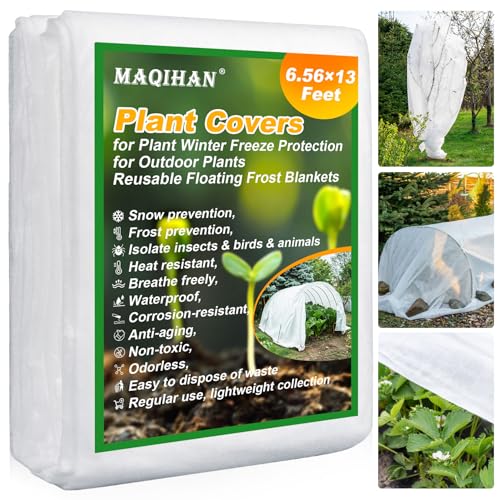
Product Features: Our plant covers are ideal for protecting all plant. Made from premium 1 oz/sq non-woven fabric, their durability and breathability ensuring both insulation against frost and facilitation of sunlight penetration for healthy plant growth
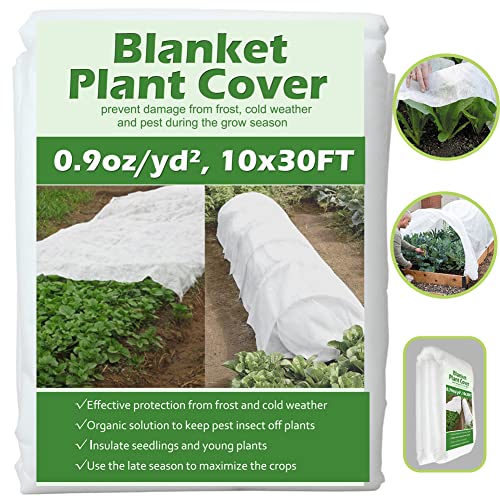
※Big Size to cover large area : The size of our plant cover is 10x30ft, the size can cover large areas. You can cut the plant covers freeze protection into different sizes for different use. You can cover it over the plant such as shrub tomato, pepper, pumpkin, and so on.

Comprehensive Winter Protection for Your Garden: Our outdoor plant covers provide complete freeze protection for strawberries, vegetables, tomatoes, fruit trees, citrus plants, shrubs, and potted plants throughout the winter. This frost cloth plant freeze protection shields delicate plants from sudden temperature drops, frost, and strong winds, ensuring they survive harsh winter conditions. Ideal for those looking for frost blankets for outdoor plants and reliable plant freeze protection covers.
Nectarine Harvesting Techniques for New Hampshire
Harvesting nectarines in New Hampshire requires specific techniques to ensure optimal fruit quality and yield. Given the region’s unique climate challenges, understanding the right timing and methods for picking is essential. This section explores effective strategies tailored to local conditions, helping growers maximize their nectarine harvests.
Harvest nectarines when they are fully colored and slightly soft to the touch. This usually occurs in late summer. Handle fruit gently to avoid bruising and store in a cool, dry place.
Pick when ripe for the best flavor.
Store in a cool area to prolong freshness.
Enjoy fresh or use in recipes like pies and jams.
Nectarine trees can be a rewarding addition to your garden in New Hampshire. With careful selection, preparation, and maintenance, you can enjoy a bountiful harvest.
