

Are your fruit trees at risk when the cold weather hits? If you’ve ever watched your beloved trees struggle through a frost, you know how heartbreaking it can be. Protecting them from freezing temperatures is essential for a fruitful harvest and healthy growth.
Key Takeaways
- Understanding Temperature Impact: Freezing temperatures below 32°F (0°C) can damage fruit trees by forming ice crystals, disrupting cell structures and potentially leading to flower and fruit loss.
- Identify Vulnerable Varieties: Certain fruit trees, like cherry, peach, apple, and plum, are more susceptible to cold weather, making it essential to know which ones require extra protection.
- Preparation Techniques: Implement strategies such as selecting cold-hardy varieties, planting in sunny locations, and using mulch to insulate roots, ensuring trees are well-prepared for colder temperatures.
- Effective Protective Methods: Utilize row covers, windbreaks, and proper mulching to reduce frost risk and maintain warmer temperatures around your fruit trees during cold spells.
- Winter Care Practices: Maintain tree health by ensuring proper watering during winter, applying potassium-rich fertilizers in the fall, and avoiding over-fertilization to enhance resilience against freezing conditions.
Understanding Freezing Temperatures and Their Impact on Fruit Trees
Freezing temperatures can severely affect fruit trees. Knowing how these conditions impact your trees helps you take effective protective measures.
The Science Behind Freezing Temperatures
Freezing temperatures occur when the air drops below 32°F (0°C). At this temperature, ice crystals can form inside plant tissues. These ice crystals disrupt cell structure, leading to damage. When exposed to prolonged cold, trees enter a state of dormancy, essentially shutting down their growth processes. If temperatures drop suddenly during the growing season, it can result in flower and fruit loss, especially during bloom.
Factors such as humidity levels and wind speed also influence how freezing temperatures affect trees. High humidity can raise frost risk, while wind can exacerbate heat loss. Understanding these dynamics allows you to anticipate frost events and act promptly.
Common Fruit Trees Affected by Cold Weather
Certain fruit trees are more vulnerable to cold temperatures. Here are some of the common types:
- Cherry Trees: They often bloom early, increasing their frost risk.
- Peach Trees: These trees are susceptible to cold snaps, especially during flowering.
- Apple Trees: While generally hardy, some varieties can’t withstand late frosts.
- Plum Trees: Similar to cherries, plums face risks if temperatures drop suddenly.
Being aware of these vulnerabilities helps you prioritize which trees require immediate attention when freezing temperatures threaten.
Essential Preparation Techniques
Preparing your fruit trees for freezing temperatures is crucial. Implementing effective techniques helps reduce damage and ensure a bountiful harvest.
Recommended Products

The Large plant cover is perfect for Plant size 55''-70"high and 84''-94" round, Heavy-weight FRCs (1.77oz./sq. yard): usually used to extend the growing season in spring and fall, allow 40%-60% light transmittance, and recommend 3°-8°F of freeze protection

Extra Thick Tree and Plant Covers for Winter: Scrubits Frost Blankets for outdoor plants and Trees will ensure that your Trees and large plants not only survive the winter but thrive and grow to blossom. With its extra thick fabric and long-lasting material, you can be confident about next year's harvest.
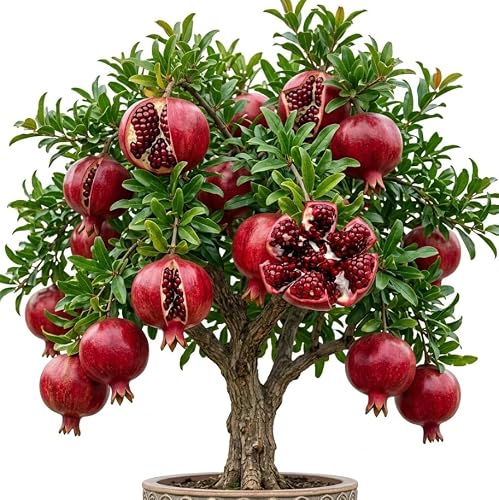
Each order includes a live red pomegranate plant, carefully grown and ready to thrive in your garden or home.
Choosing the Right Varieties
Select hardy fruit tree varieties resistant to cold. Some cold-tolerant options include:
- Honeycrisp Apples: Thrives in colder climates, maintains quality in freezing conditions.
- Montmorency Cherries: Known for its resilience, grows well in northern regions.
- Reliance Peaches: Adaptable, withstands chilling temperatures well.
Research frost dates for your area. Opt for varieties that bloom later in spring to minimize exposure to late frost.
Site Selection and Planting Tips
Choose an appropriate location for planting. This selection impacts how well trees withstand freezing temperatures. Focus on these strategies:
- Sunny Spots: Pick areas with maximum sunlight exposure. Sunshine helps elevate temperatures around trees.
- Windbreaks: Plant trees near natural windbreaks, like fences or shrubs. These barriers reduce cold winds that can damage trees.
- Drainage: Ensure good drainage by avoiding low spots that collect cold air and frost. Elevated areas are more favorable.
When planting, follow these steps:
- Proper Spacing: Allow enough space between trees to reduce humidity levels and prevent frost damage.
- Mulching: Apply mulch around the base. This insulates roots and maintains a stable soil temperature.
- Early Planting: Plant in early spring or fall for optimal establishment. Early planting gives trees time to adapt before colder weather arrives.
Implementing these techniques provides strong protection against freezing temperatures, ensuring your fruit trees stay healthy and productive.
Protective Methods for Cold Weather
Protecting fruit trees from freezing temperatures involves several effective strategies. By using these methods, you can minimize the risk of frost damage and promote healthy growth.
Recommended Products
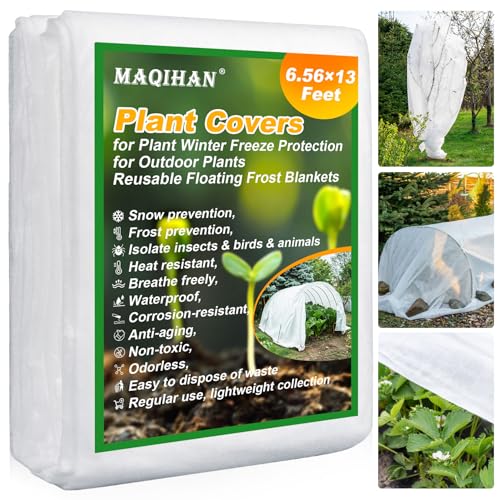
Product Features: Our plant covers are ideal for protecting all plant. Made from premium 1 oz/sq non-woven fabric, their durability and breathability ensuring both insulation against frost and facilitation of sunlight penetration for healthy plant growth

THICKER MATERIAL: Our plant freeze protection cover is made of UV stabilized polypropylene. Upgraded thicker 0.9oz./sq.yard lightweight but durable. Soft plant covers are friendly and no harm to your plants. Breathable non-woven fabric allow light, air go through the frost cloths and reach the plants.

Great Helper for Gardening: This YDSL plant covers freeze protection is ideal for gardening enthusiasts and gardeners to protect plants and vegetables, so that your favourite plants can grow as safely as possible in an environment that is more suited to their needs. Garden bed cover is not only suitable for professional growers, but also for beginners in transplanting techniques, with which planting can be done with ease.
Mulching Techniques
Mulching helps insulate the soil and maintain a stable temperature around your fruit trees. Apply a layer of mulch, such as straw, wood chips, or shredded leaves, around the base of the tree. Aim for a thickness of 2 to 4 inches, making sure to keep it a few inches away from the trunk to prevent rot. This technique retains moisture, reduces temperature fluctuations, and prevents frost from penetrating the soil.
Using Row Covers and Tunnels
Row covers and tunnels provide a protective layer against cold air. These lightweight fabrics trap heat during the night and shield trees from frost. Drape row covers over the trees, ensuring they reach the ground and secure the edges with soil or stakes. For larger areas, consider using high tunnels, which offer more substantial protection. Ensure there’s enough space for air circulation to prevent moisture buildup.
Constructing Windbreaks
Windbreaks effectively reduce cold wind exposure. Plant rows of bushes, such as evergreens, around your fruit trees to create a barrier. You can also use fences or wooden screens to disrupt wind flow. Ideally, position windbreaks at least 10 feet away from the trees to allow sunlight access. This reduces wind speed and helps maintain higher temperatures around the trees, minimizing frost risk.
Implementing these protective methods enhances your fruit trees’ resilience against cold weather, ensuring they thrive even in challenging conditions.
Maintaining Tree Health During Winter
Ensuring your fruit trees remain healthy during winter is crucial. Proper care in the colder months promotes resilience and increases the likelihood of a successful harvest.
Recommended Products

Let our professionally formulated plant food help your citrus tree grow healthy, strong AND abundantly producing

Let our professionally formulated plant food help your fruit tree grow healthy, strong AND abundantly producing

Let our professionally formulated plant food help your fruit tree grow healthy, strong AND abundantly producing
Proper Watering Practices
Watering your trees remains essential, even in winter. Here’s how to manage hydration:
- Assess Soil Moisture: Check the top few inches of soil. If it’s dry, it’s time to water.
- Water Deeply: Apply water thoroughly to encourage deep root growth. Aim for a soil depth of at least 12 inches.
- Timing Matters: Water during the warmer parts of the day to allow the trees to absorb moisture before nightfall.
Doing this helps maintain hydration levels and supports your trees as they endure freezing temperatures.
Fertilization Strategies
Time your fertilization correctly to boost your trees’ winter health. Follow these strategies:
- Apply Fertilizer in Fall: Use a balanced fertilizer about a month before the first frost. This gives trees time to absorb essential nutrients.
- Focus on Potassium: Select fertilizers high in potassium. This nutrient helps trees withstand cold and aids in fruit development.
- Avoid Over-Fertilizing: Too much fertilizer can stimulate new growth that freezing temperatures can damage. Stick to recommended amounts.
Using these tips helps ensure your fruit trees remain vigorous and equipped to survive winter’s chill.
Conclusion
Protecting your fruit trees from freezing temperatures is essential for a bountiful harvest. By implementing the right strategies and preparing your trees in advance, you can help them withstand the harsh winter months. Remember to choose hardy varieties and create a nurturing environment that promotes their health.
Utilizing techniques like mulching and constructing windbreaks can make a significant difference in your trees’ resilience. Keeping your trees well-watered and properly fertilized during the colder months will further enhance their ability to thrive. With a little effort and care, you can ensure your fruit trees remain strong and ready to produce delicious fruit come springtime. Happy gardening!
Frequently Asked Questions
What risks do cold temperatures pose to fruit trees?
Cold temperatures can severely damage fruit trees by forming ice crystals that disrupt cell structure. This leads trees to enter dormancy, impacting their growth and fruit production.
Which fruit trees are most vulnerable to cold weather?
Common fruit trees that are particularly vulnerable to cold include cherry, peach, apple, and plum trees. These species require careful protection during frost events to ensure healthy growth and fruitful harvests.
How can I protect my fruit trees from frost?
To protect fruit trees from frost, consider using mulching, row covers, and constructing windbreaks. These methods help insulate trees, trap heat, and shield them from cold winds.
What are some effective preparation techniques for cold weather?
Choosing hardy fruit tree varieties, researching local frost dates, and selecting sunny planting spots can help. Additionally, ensuring good drainage and proper spacing enhances trees’ resilience to cold.
How should I maintain fruit trees during winter?
Maintain fruit trees by watering deeply during warmer parts of the day, assessing soil moisture, and applying balanced fertilizers high in potassium in the fall. Avoid over-fertilizing to prevent frost damage to new growth.
What is the ideal mulch thickness for fruit trees?
A mulch thickness of 2 to 4 inches is ideal for fruit trees. This thickness helps insulate the soil while keeping the mulch away from the tree trunk to prevent issues like rot.
Why is site selection important for fruit trees?
Site selection is crucial as it affects sunlight exposure, wind protection, and drainage. Choosing sunny spots and planting near natural windbreaks helps trees thrive and reduces the risk of frost damage.
