

Jujube trees can indeed grow in Alaska, particularly with the right cold-hardy varieties. Selecting the appropriate species and understanding their care requirements will enhance your chances of successful cultivation in colder climates.
Cold-Hardy Jujube Varieties for Alaska
Jujube trees, known for their sweet, date-like fruit, come in several varieties, each with different cold tolerances. The most suitable types for Alaska include the Li Jujube and Lang Jujube. These varieties can withstand lower temperatures and are more resilient to harsh conditions. When choosing a jujube, consider factors like fruit quality, growth habit, and adaptability to local climates.
Recommended Products

This plant produces large, round fruits with a crisp texture and sweet apple-like flavor.

9EzTropical - Jujube LI Tree - 2 Feet Tall
Recommended Cold-Hardy Jujube Varieties
When considering jujube trees for colder climates like Alaska, selecting the right cold-hardy varieties is essential. These specific types are better equipped to withstand low temperatures and harsh conditions while still producing fruit. Below is a guide to the most recommended cold-hardy jujube varieties that can thrive in Alaska’s unique environment.
Selecting a cold-hardy jujube variety is crucial for successful growth in Alaska. Here are some recommended options:
| Variety Name | Hardiness Zone | Fruit Quality | Growth Habit |
|---|---|---|---|
| Li Jujube | 5-9 | Sweet, chewy | Upright |
| Lang Jujube | 5-9 | Sweet, crisp | Spreading |
| So Jujube | 5-9 | Sweet, small | Compact |
| Honey Jujube | 5-9 | Very sweet | Upright |
These varieties thrive in USDA Hardiness Zones 5 to 9, making them suitable for most regions in Alaska.
Jujube Cultivation Site Selection Guide
Selecting the right site for jujube cultivation is crucial, especially in a challenging climate like Alaska. Understanding the specific environmental needs of cold-hardy jujube varieties will help ensure successful growth and fruit production. This guide will provide essential criteria for choosing an optimal location to maximize your jujube tree’s potential.
Proper preparation is essential for successful jujube cultivation. Begin by selecting a well-drained location that receives full sunlight. Jujube trees prefer slightly acidic to neutral soil, so testing soil pH can help determine necessary amendments.
Recommended Products

Large Jujube Tree Plant for Garden, 10-12" Tall Live Jujube Tree, Sweet Fruit, Bare Root, Perennial Hardy Plants for Planting

Large Jujube Tree, 8-16" Tall Grafted Jujube Tree Bare Root, Sweet Fruit Plant for Outdoor Garden

You will receive 1 live Thai jujube fruit tree, about 1 foot tall in a 3 gallon pot. We do not ship this plant to CA
Site Preparation for Jujube Trees
Preparing the right site is crucial for successfully growing jujube trees in Alaska’s unique climate. This section will explore essential considerations such as soil type, drainage, and sunlight exposure, ensuring your planting area meets the specific needs of cold-hardy jujube varieties. Proper site preparation lays the foundation for healthy growth and fruitful harvests.
When preparing your site, consider the following factors:
Drainage: Ensure the soil drains well to avoid root rot.
Sunlight: Choose a location that receives at least 6-8 hours of sunlight daily.
Soil pH: Aim for a pH between 6.0 and 7.0.
Conducting a soil test can help you adjust nutrient levels and pH accordingly.
Optimal Planting Techniques for Jujube Trees
Successfully growing jujube trees in Alaska requires careful attention to planting techniques that accommodate the region’s unique climate. Understanding the optimal conditions for soil preparation, spacing, and timing can significantly impact the health and productivity of these cold-hardy varieties. This section outlines essential strategies to ensure your jujube trees thrive in challenging environments.
Once you have selected a variety and prepared your site, it’s time to plant. Follow these steps for optimal growth.
Choose Quality Seedlings: Purchase healthy, disease-free seedlings from a reputable nursery.
Dig a Proper Hole: Create a hole twice the width and depth of the root ball.
Position the Seedling: Place the seedling in the center of the hole, ensuring the root collar is level with the soil surface.
Backfill with Soil: Fill the hole with native soil, gently tamping it down to eliminate air pockets.
Water Thoroughly: Water the newly planted tree deeply to encourage root establishment.
Recommended Products
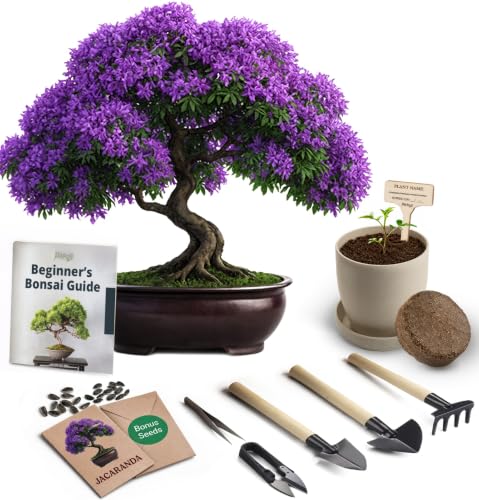
FREE EXTRA SEEDS!! Avergo’s bonsai starter kit comes with 2 additional seed packets just in case you’ll need more

FREE EXTRA SEEDS!! Avergo’s bonsai starter kit comes with 2 additional seed packets just in case you’ll need more

【8 Diverse Bonsai Seeds for Planting】:Grow a stunning collection of bonsai tree varieties including Jacaranda, Black Pine, Locust, Delonix regia, Maple, Crape Myrtle, Flame tree, Blue spruce —perfect for home gardeners who love variety. Use it to start an indoor bonsai tree garden on your windowsill or balcony.
Jujube Tree Care in Cold Climates
Caring for jujube trees in cold climates requires specific strategies to ensure their survival and productivity. Understanding the unique needs of these trees, particularly in regions like Alaska, is essential for successful cultivation. This section will explore effective care techniques tailored to colder environments, helping you nurture healthy jujube trees despite challenging weather conditions.
Regular care will ensure your jujube trees thrive. Focus on the following:
Watering: Water deeply during dry spells, especially in the first year.
Fertilizing: Apply a balanced fertilizer in early spring to promote growth.
Pruning: Prune in late winter to maintain shape and remove dead or diseased wood.
Alaska Jujube Cultivation Challenges
Growing jujube trees in Alaska presents unique challenges due to the region’s harsh climate and short growing season. Understanding these obstacles is crucial for successful cultivation, as factors like temperature extremes, soil conditions, and proper care can significantly impact the health and productivity of these trees. This section explores the specific challenges faced by gardeners in Alaska looking to cultivate jujubes.
Growing jujube trees in Alaska can present unique challenges. Cold temperatures and short growing seasons may hinder fruit production.
Cold Weather Protection for Jujube Trees
Jujube trees, known for their resilience, can still face challenges in colder climates like Alaska. Understanding how to protect these trees from harsh winter conditions is crucial for successful growth and fruit production. This section provides essential strategies for safeguarding jujube trees against the elements, ensuring they thrive even in frigid temperatures.
Implement these strategies to protect your jujube trees:
Mulching: Apply a layer of mulch around the base to insulate roots.
Windbreaks: Use fencing or plant other trees to shield young trees from harsh winds.
Row Covers: Consider using row covers during late frosts to protect blossoms.
Jujube Fruit Harvesting Techniques and Timing
Harvesting jujube fruit requires careful timing and specific techniques to ensure optimal flavor and quality. Understanding when to pick the fruit, along with the best methods for harvesting, can significantly impact the yield and taste of your jujube crop. This section will provide essential tips for successfully harvesting jujube fruit in colder climates like Alaska.
Once your jujube trees mature, harvesting becomes an exciting task. Jujubes are typically ready for harvest in late summer to early fall, depending on the variety.
Jujube Tree Harvesting Guidelines
Harvesting jujube trees requires careful timing and technique to ensure the best flavor and quality. In colder climates like Alaska, understanding the specific growth cycles and optimal conditions for harvesting is crucial. This section will provide detailed guidelines to help you successfully gather jujubes while maximizing their taste and nutritional benefits.
To ensure the best flavor and quality, follow these guidelines:
Timing: Harvest when fruits turn a deep brown color and are slightly soft.
Handling: Gently twist or cut the fruit from the branch to avoid damaging the tree.
Storage: Store harvested jujubes in a cool, dry place for optimal freshness.
Growing jujube trees in Alaska is feasible with careful planning and attention to suitable varieties. By following these guidelines, you can enjoy the sweet rewards of your labor.
