

Almond trees can grow in Jersey City, NJ, but careful planning and specific conditions are necessary for successful cultivation. Urban rooftop gardens can provide a suitable environment if you manage factors like sunlight, soil quality, and temperature.
Jersey City Climate Challenges for Almond Trees
Jersey City’s unique climate presents several challenges for growing almond trees, which thrive in warmer, drier conditions. Understanding these environmental factors is crucial for urban gardeners looking to cultivate almonds on rooftops. This section explores the specific climate-related hurdles that may impact almond tree growth in this urban setting.
Almond trees thrive in Mediterranean climates with warm, dry summers and cool, wet winters. Jersey City’s climate is classified as humid continental, which can present challenges for growing almonds. Understanding the local climate is crucial for successful cultivation.
Temperature: Almond trees require chilling hours between 32°F and 45°F during winter. Jersey City typically meets this requirement.
Frost Risk: Late spring frosts can damage blossoms. Select early-blooming varieties to mitigate this risk.
Humidity: High humidity can lead to fungal diseases. Ensure good air circulation on rooftops.
Best Almond Tree Varieties for Urban Growth
When considering almond trees for urban growth in Jersey City, selecting the right variety is crucial. Certain types thrive better in confined spaces and varying climates, making them ideal for rooftop gardens. This section explores the best almond tree varieties suited for urban environments, ensuring you can cultivate a successful and fruitful garden.
Selecting the appropriate almond tree variety is essential for success in an urban environment. Some varieties are better suited for colder climates and urban settings.
Best Almond Varieties for Urban Growth
When considering almond trees for urban growth in Jersey City, selecting the right variety is crucial for success. Different almond types have unique characteristics that can influence their adaptability to rooftop environments, including space constraints and climate conditions. This section explores the best almond varieties suited for urban settings, ensuring you make an informed choice for your rooftop garden.
Carmel: Known for its high yield and adaptability to various climates. It has a strong resistance to diseases.
Tuono: A hardy variety that performs well in cooler temperatures and has a unique flavor profile.
Nonpareil: This popular variety produces high-quality nuts but may require more care in colder climates.
| Variety | Yield | Chill Hours | Disease Resistance | Flavor Profile |
|---|---|---|---|---|
| Carmel | High | 300-400 | Strong | Sweet |
| Tuono | Moderate | 400-500 | Moderate | Unique |
| Nonpareil | High | 300-400 | Moderate | Classic |
Rooftop Garden Preparation for Almond Trees
Creating a rooftop garden for almond trees in Jersey City requires careful planning and preparation. The unique urban environment presents specific challenges and opportunities that can influence tree growth and fruit production. Understanding these factors is essential to ensure a thriving almond tree garden in this metropolitan setting.
Creating an optimal rooftop garden environment is crucial for the growth of almond trees. Proper preparation involves several steps to ensure healthy growth and fruit production.
Recommended Products

Package Includes: 24 water storage containers cups, 24 nursery pots with drainage holes, each accompanied by a humidity dome, 1 x Watering Bottle 150ml, water absorbing wicks, and plant labels,catering to beginners and saving time for busy gardeners

🌿 【Self-Watering Pots with Water Level Indicator】 Designed for busy plant lovers, our 8/10/12 self-watering pots feature a built-in ABSORBENT COTTON WICK SYSTEM that automatically draws water from the detachable bottom tray. The TRANSPARENT WATER LEVEL WINDOW WITH MEASUREMENT MARKINGS lets you monitor hydration at a glance, ensuring no overwatering or underwatering. Perfect for indoor/outdoor plants, this system keeps soil evenly moist for up to 7-10 days—ideal for vacations or hectic schedules.

【Practical Size Combo】-These plastic planters indoor combines with 6 different sizes, 8 inch 7inch 6.5 inch 6 inch 5.5 inch 5 inch which are suitable for planting most small and medium-sized home office plants.Ideal gift,Carbonfree Certified.
Rooftop Container Selection for Almond Trees
Selecting the right container is crucial for successfully growing almond trees on urban rooftops. The container needs to provide adequate drainage, support root growth, and withstand the elements typical of Jersey City’s climate. Understanding the specific requirements will help ensure your almond trees thrive in this unique environment.
Select the Right Containers: Choose large, sturdy containers with good drainage. Consider using self-watering pots to maintain consistent moisture levels.
Use Quality Soil: Fill containers with a well-draining potting mix. A mix containing perlite and compost will provide essential nutrients.
Plan for Sunlight: Almond trees need full sun for at least six hours a day. Position containers in the sunniest part of your rooftop.
Watering Techniques for Urban Almond Trees
Growing almond trees in urban environments like Jersey City presents unique challenges, particularly when it comes to watering. Proper techniques are essential to ensure these trees thrive amidst concrete and limited soil resources. Understanding the specific needs of almond trees will help urban gardeners provide the right amount of moisture for healthy growth.
Watering and fertilization are critical for the health of almond trees. Urban environments can lead to unique challenges in maintaining moisture levels.
Deep Watering Techniques for Urban Almonds
Deep watering is essential for the successful growth of almond trees, especially in urban environments like Jersey City. This technique ensures that the roots receive adequate moisture, promoting healthy development despite the challenges of rooftop gardening. Implementing effective deep watering methods can significantly enhance the vitality and yield of your almond trees in the city.
Frequency: Water deeply but infrequently. This encourages deep root growth.
Signs of Stress: Watch for wilting leaves or yellowing. Adjust your watering schedule accordingly.
Organic Fertilizer Recommendations for Almond Trees
When growing almond trees in Jersey City, NJ, selecting the right organic fertilizer is crucial for their health and productivity. The urban environment presents unique challenges, making it essential to choose fertilizers that not only nourish the trees but also align with sustainable practices. This section offers tailored recommendations to ensure your almond trees thrive in an urban rooftop setting.
Organic Fertilizers: Use a balanced organic fertilizer during the growing season. This promotes healthy growth and nut development.
Soil Testing: Conduct soil tests to determine nutrient needs. Amend as necessary to maintain optimal soil health.
Pest Management for Urban Almond Trees
Managing pests is crucial for the health of almond trees, especially in urban environments like Jersey City. Due to the unique challenges posed by city living, effective pest management strategies are essential to ensure these trees thrive on rooftops. Understanding the common pests and their control methods will help urban gardeners protect their almond trees and maximize their yield.
Urban environments can attract various pests that threaten almond trees. Implementing preventive measures is essential for maintaining healthy trees.
Recommended Products
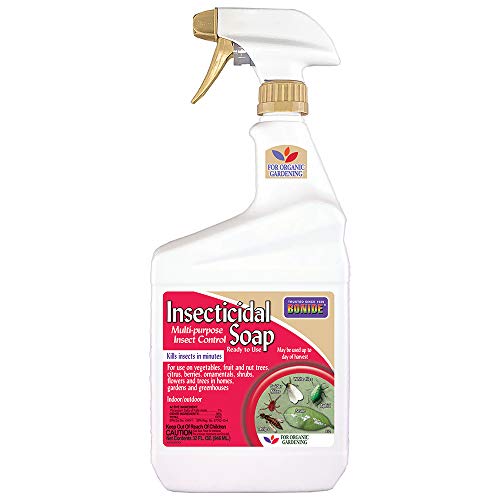
Captain Jack's Insecticidal Super Soap controls species of adelgid, ant, aphid, borer, caterpillar, spider mite, cricket, chinch bug, weevil, fly, thrip, and more

PEST DEFENSE - Insecticidal Super Soap controls species of adelgid, ant, aphid, borer, caterpillar, spider mite, cricket, chinch bug, weevil, fly, thrip, & more.
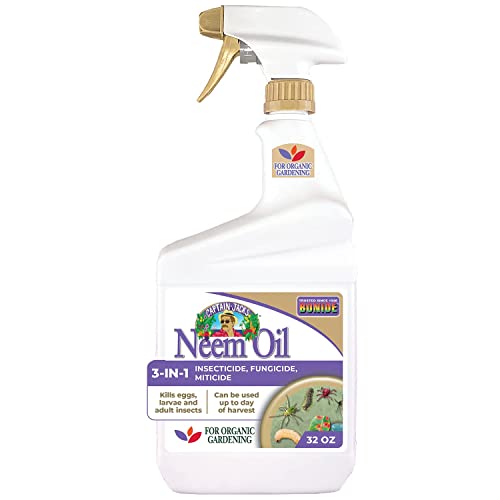
Protect your oasis with 3 garden products in 1 from Captain Jack’s; Bonide Captain Jack’s Ready-to-Use Neem Oil spray for plants is a multi-purpose fungicide, insecticide and miticide for your lawn & garden
Urban Pest Management for Almond Trees
Urban environments present unique challenges for growing almond trees, particularly when it comes to pest management. In Jersey City, NJ, where space is limited and conditions can vary, understanding how to effectively manage pests is crucial for the health and productivity of your rooftop almond trees. This section will explore practical strategies to keep your urban almond garden thriving.
Aphids: These can be controlled using insecticidal soap or neem oil.
Spider Mites: Increase humidity around the plants to deter these pests.
Squirrels and Birds: Use netting to protect developing nuts from wildlife.
| Pest | Symptoms | Control Method |
|---|---|---|
| Aphids | Curling leaves | Insecticidal soap |
| Spider Mites | Webbing on leaves | Increase humidity |
| Squirrels | Missing nuts | Netting |
Almond Harvest Timing and Storage Tips
Understanding the optimal timing for harvesting almonds is crucial for ensuring the best flavor and quality. In urban settings like Jersey City, where climate conditions can vary, knowing when to pick and how to store your almonds will help maximize your yield and maintain freshness. Here are some essential tips for successful almond harvest and storage.
Harvesting almonds at the right time ensures the best flavor and quality. Proper storage extends their shelf life.
Almond Harvest Timing and Techniques
Understanding the optimal timing and techniques for harvesting almonds is crucial for urban gardeners in Jersey City. Given the unique climate and growing conditions of the area, knowing when to pick and how to handle the nuts can significantly impact the quality and yield of your crop. This section will provide essential insights for successful almond harvesting.
Timing: Harvest almonds when the hulls split open. This typically occurs in late summer to early fall.
Method: Gently shake the trees or use a harvesting tool to collect nuts.
Almond Storage and Drying Techniques
Successfully growing almond trees in Jersey City requires not only proper cultivation but also effective storage and drying techniques to ensure the nuts maintain their quality. Understanding how to properly handle almonds post-harvest is crucial for urban gardeners looking to maximize their yield. This section will explore the best practices for drying and storing almonds in an urban environment.
Drying: Allow harvested almonds to dry in a cool, dark place for a few days.
Containers: Store in airtight containers to maintain freshness. Keep in a cool, dark location to prevent spoilage.
Implementing these strategies will increase your chances of successfully growing almond trees in Jersey City.
