

Quince trees can thrive in New York City backyards with proper care and attention. These fruit-bearing trees require specific conditions to flourish, including suitable soil, sunlight, and watering practices.
Selecting Ideal Quince Tree Varieties
Quince trees come in several varieties, each with unique characteristics. The most common types include Smyrna, Pineapple, and Apple quince. These varieties differ in flavor, size, and growth habits. Choosing the right variety for your garden will influence your success in fruit production. Consider the following factors when selecting a quince tree:
Flavor Profile: Some varieties are sweeter than others.
Growth Habit: Determine if you prefer a bushy or upright tree.
Fruit Size: Larger fruits may be more desirable for culinary uses.
| Variety | Flavor | Size | Growth Habit |
|---|---|---|---|
| Smyrna | Sweet | Medium | Upright |
| Pineapple | Tart with spice | Large | Bushy |
| Apple | Mild | Small | Upright |
Quince Tree Garden Preparation Steps
Proper preparation is essential for planting quince trees. Start by selecting a location that receives full sunlight for at least six hours daily. The soil should be well-drained, rich in organic matter, and slightly acidic to neutral. Here are steps to prepare your garden:
Test Soil pH: Use a soil test kit to determine acidity levels.
Amend Soil: Incorporate compost or well-rotted manure to improve fertility.
Clear Area: Remove weeds and debris to reduce competition for nutrients.
Recommended Products

Quick, at home results for Soil pH, Nitrogen, Phosphorous and Potash Innovative and inexpensive soil test kit features an easy-to-use capsule system and patented color comparators

Kindly NOTE: This soil tester can not be applied to test pH value of any other liquid. If the soil is too dry the indicator will not move, and water it before testing.

KNOW BEFORE YOU GROW | Grow the healthiest, sustainable lawn and garden with the most accurate and easy to use professional soil test kit on the market
Soil Amendment Handling Safety
When cultivating quince trees in New York City, understanding soil amendment handling safety is crucial for a thriving garden. Proper techniques not only enhance soil quality but also protect your health and the environment. This section outlines essential safety practices to ensure effective and responsible use of soil amendments in your backyard garden.
Always wear gloves and a mask when handling soil amendments to avoid irritation.
Optimal Quince Tree Planting Techniques
Successfully planting quince trees in New York City requires an understanding of the local climate and soil conditions. This section will explore the best techniques for planting quince trees, ensuring they thrive in your backyard garden. By following these guidelines, you can cultivate a healthy and fruitful quince tree that enhances your urban landscape.
Planting quince trees requires attention to detail for optimal growth. Follow these steps to ensure a successful planting:
Dig a Hole: Create a hole twice the width of the root ball and equal in depth.
Position Tree: Place the tree in the center of the hole, ensuring the graft union is above soil level.
Backfill: Fill the hole with soil, gently packing it to eliminate air pockets.
Water Thoroughly: After planting, water deeply to settle the soil around the roots.
Overwatering Risks for Quince Trees
Quince trees thrive in New York City’s diverse climate, but overwatering can pose significant risks to their health. Understanding the signs of overwatering and its effects is crucial for maintaining robust trees in your backyard garden. This section delves into the potential problems associated with excessive moisture and offers guidance on proper watering practices.
Do not overwater after planting as this can lead to root rot.
Maintain Quince Trees for Optimal Growth
Maintaining quince trees in New York City requires specific attention to their unique needs, especially given the urban environment. Proper care can lead to healthy growth and fruitful harvests, making it essential for gardeners to understand the best practices for watering, pruning, and pest management. This guide will provide the necessary steps to ensure your quince trees thrive in your backyard garden.
Regular maintenance is crucial for healthy quince trees. This includes watering, pruning, and pest management. Follow these guidelines for ongoing care:
Watering: Provide deep watering every week, especially during dry spells.
Pruning: Trim branches annually to promote air circulation and remove dead wood.
Pest Control: Monitor for common pests like aphids and scale. Use organic insecticidal soap if necessary.
| Maintenance Task | Frequency | Notes |
|---|---|---|
| Watering | Weekly | Adjust in dry months |
| Pruning | Annually | Late winter preferred |
| Pest Monitoring | Monthly | Inspect leaves and branches |
Recommended Products
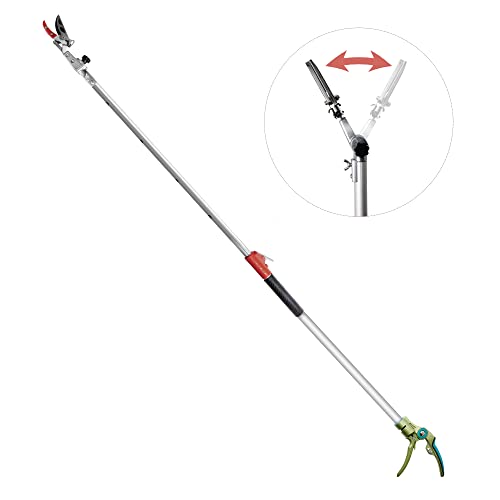
[Helpful Garden Tool] GARTOL brings to you a lightweight and extendable pruning tool to reach out to the least approachable arenas of your garden. You can conveniently get across other plants to remove the fastgrowing brambles and sting nettles without getting scratched or hurt. For gardening lovers, the telescopic pruner cutter head can can be rotated which resolves mobility issues and gives you the pleasure of trimming your garden without bending down or using a ladder to climb and cut them.

[Cut & Hold Pole Pruner for Tree Trimming] This long reach cut and hold pruner makes it easy to grip and remove branches, flowers, or fruit without dropping them. Perfect as a pole fruit picker for harvesting lemons, oranges, apples, or persimmons, and for trimming shrubs and bushes without climbing a ladder.

Adjustable and Durable Handle - Extendable Loppers: The lopping shears are adjustable from 16 inches to 24 inches, allowing you to handle tall branches easily. The iron arm is more sturdy and durable, and will not bend even when cutting large and thick branches.
Effective Quince Harvesting Techniques
Harvesting quince in New York City requires specific techniques to ensure a fruitful yield. Understanding the optimal timing and methods for picking these unique fruits can significantly enhance their flavor and storage potential. This section will explore practical strategies for effectively harvesting quince, tailored to the urban gardening environment.
Harvesting quince fruit requires timing and technique. Quince is typically ready for harvest in late fall when the fruit turns a yellowish color. Follow these steps for effective harvesting:
Inspect Fruit: Look for a firm texture and a fragrant aroma.
Use Pruners: Cut the fruit from the tree, leaving a small stem attached.
Handle Gently: Avoid bruising the fruit to maintain quality.
Mature Quince Harvesting Techniques
Harvesting mature quince in New York City requires specific techniques to ensure the fruit reaches its peak flavor and quality. Understanding the right timing, tools, and methods can significantly enhance your yield and overall gardening experience. This section will guide you through the essential steps for a successful quince harvest in your backyard garden.
Harvest quince fruit only when fully mature to ensure the best flavor and texture.
Culinary Applications of Quince Fruit
Quince fruit, often overlooked, offers a unique flavor profile that can elevate various culinary creations. In New York City, where backyard gardening is becoming increasingly popular, understanding how to incorporate this aromatic fruit into dishes can enhance both home cooking and local cuisine. From jams to savory dishes, quince adds a delightful twist that deserves attention.
Quince is versatile in the kitchen, suitable for various dishes. It can be used in jams, jellies, and desserts. Consider these popular culinary applications:
Quince Jam: Cook with sugar and lemon juice for a sweet spread.
Quince Paste: Pair with cheese for a gourmet appetizer.
Baked Quince: Roast with honey and spices for a delicious side dish.
By following these guidelines, you can successfully grow and enjoy quince trees in your New York City backyard.
