

Walnut trees can grow in pots in Connecticut, but specific conditions must be met for successful cultivation. Choosing the right pot, soil, and care techniques is essential for optimal growth and fruit production.
Optimal Pot Size for Walnut Trees
Choosing an appropriate pot is crucial for the health of walnut trees. The pot must be large enough to accommodate the tree’s root system and allow for proper drainage. A minimum depth of 24 inches and a width of 30 inches is recommended for young walnut trees.
Pot Material Choices for Optimal Growth
Choosing the right pot material is crucial for the successful growth of walnut trees in Connecticut. Different materials can significantly impact drainage, temperature regulation, and overall health of the tree. Understanding these options will help ensure your walnut tree thrives in a container environment.
The material of the pot affects temperature regulation and moisture retention. Consider the following options:
Terracotta: Breathable but can dry out quickly.
Plastic: Lightweight and retains moisture well.
Fiberglass: Durable and offers good insulation.
Ensure the pot has drainage holes to prevent root rot. A layer of gravel at the bottom can enhance drainage.
| Pot Material | Pros | Cons |
|---|---|---|
| Terracotta | Breathable | Dries out quickly |
| Plastic | Lightweight | Can retain too much moisture |
| Fiberglass | Durable | Higher cost |
Ideal Soil Mix for Potted Walnut Trees
Growing walnut trees in pots can be a rewarding endeavor, especially in Connecticut’s unique climate. To ensure healthy growth and optimal yield, selecting the right soil mix is crucial. This section delves into the ideal soil composition that supports potted walnut trees, focusing on drainage, nutrient balance, and pH levels.
The soil mix plays a significant role in the growth of walnut trees in pots. A well-draining soil mix is essential to prevent waterlogging.
Ideal Soil Mix for Potted Walnuts
Growing walnut trees in pots can be a rewarding endeavor, especially in Connecticut’s varied climate. However, selecting the right soil mix is crucial for their health and growth. This section outlines the ideal soil components to ensure your potted walnut trees thrive.
A suitable mix should include:
Potting soil: Provides nutrients.
Perlite: Improves drainage.
Coconut coir: Retains moisture without becoming soggy.
Aim for a soil pH between 6.0 and 7.5 for optimal growth. Regular soil testing can help maintain these levels.
Watering and Fertilizing Walnut Trees
Proper watering and fertilizing are crucial for the health of walnut trees, especially when grown in pots. In Connecticut’s unique climate, understanding the specific needs of these trees can significantly impact their growth and fruit production. This section will explore the best practices for maintaining optimal moisture levels and nutrient supply for potted walnut trees.
Proper watering and fertilizing are vital for walnut tree health. Overwatering can lead to root rot, while underwatering can stunt growth.
Recommended Products
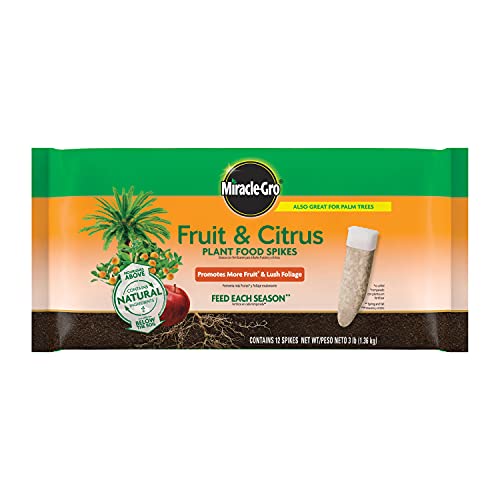
FORMULATED FOR CITRUS AND FRUIT TREES: Use these citrus fertilizer spikes on apple, orange, lemon, lime, and avocado trees; this formula is also great for feeding palm trees

Made for Olive Trees - This olive tree fertilizer is formulated specifically to support healthy growth and long-term vitality in olive trees.

Supports Growth & Root Development – Orange plant food that helps promote strong roots, healthy foliage, and consistent plant growth.
Pot Watering Techniques for Walnut Trees
Growing walnut trees in pots requires careful attention to watering techniques to ensure healthy growth. In Connecticut’s varying climate, understanding how to manage moisture levels is crucial for the tree’s development. This section will explore effective watering strategies tailored specifically for potted walnut trees.
Water deeply but infrequently.
Check the top inch of soil for dryness before watering.
Adjust frequency based on weather conditions.
Pot Fertilization Tips for Walnut Trees
Growing walnut trees in pots can be a rewarding endeavor, especially in Connecticut’s unique climate. Proper fertilization is crucial to ensure healthy growth and optimal nut production. The following tips will guide you in providing the right nutrients for your potted walnut trees, helping them thrive in a limited space.
Use a balanced fertilizer during the growing season. Follow these steps:
Apply fertilizer: Use a slow-release formula every 6-8 weeks.
Monitor growth: Adjust based on tree vigor.
Avoid over-fertilization: This can lead to excessive leaf growth at the expense of fruit production.
Pruning Techniques for Young Walnut Trees
Pruning young walnut trees is essential for promoting healthy growth and shaping their structure. In Connecticut’s climate, understanding the right techniques can significantly impact the tree’s development. This section explores effective pruning methods tailored to young walnut trees, ensuring they thrive in both pots and the local environment.
Pruning is essential for shaping walnut trees and promoting healthy growth. Regular pruning helps manage the tree’s size and encourages better fruit production.
Pruning Techniques for Potted Walnut Trees
Pruning is essential for maintaining the health and shape of potted walnut trees, especially in Connecticut’s unique climate. Proper techniques can enhance growth, improve air circulation, and ensure that the tree remains manageable in size. Understanding the best practices for pruning will help you cultivate a thriving walnut tree in a limited space.
Remove dead or damaged branches.
Thin out crowded areas to improve air circulation.
Shape the tree to encourage an open canopy.
Pruning should be done in late winter or early spring before new growth begins.
Pests and Diseases Affecting Potted Walnuts
Potted walnut trees can be susceptible to various pests and diseases, especially in Connecticut’s unique climate. Understanding these threats is crucial for maintaining the health and productivity of your trees. This section explores common issues that may arise and offers insights on prevention and management strategies.
Container-grown walnut trees can be susceptible to various pests and diseases. Identifying and managing these issues early is crucial for tree health.
Walnut Husk Fly Impact on Potted Trees
Walnut husk flies can significantly affect the health of potted walnut trees, particularly in Connecticut’s climate. These pests target the developing nuts, leading to reduced yields and potential damage to the tree itself. Understanding their impact is crucial for anyone considering growing walnut trees in containers.
Walnut husk fly: Affects developing nuts.
Powdery mildew: Appears as white spots on leaves.
Root rot: Caused by overwatering.
Regular monitoring and prompt action can help mitigate these problems. Use organic pesticides or fungicides as needed.
| Pest/Disease | Symptoms | Treatment |
|---|---|---|
| Walnut husk fly | Damaged nuts | Insecticidal soap |
| Powdery mildew | White leaf spots | Neem oil |
| Root rot | Wilting leaves | Improve drainage |
Seasonal Care Strategies for Potted Walnuts
Caring for potted walnut trees in Connecticut requires an understanding of seasonal changes and their impact on growth. From winter protection to summer watering techniques, each season presents unique challenges and strategies to ensure your walnut thrives. This section outlines essential care tips tailored for potted walnuts throughout the year.
Seasonal care is essential for maintaining the health of walnut trees in pots. Adjusting care routines based on the season can enhance growth and fruiting.
Pot Care for Walnut Trees in Spring
Spring is a crucial time for walnut trees, especially when grown in pots, as they begin their active growth phase. Proper care during this season can significantly impact their health and productivity. Understanding the specific needs of potted walnut trees in Connecticut will help ensure they thrive as the weather warms.
Fertilize and prune as needed.
Monitor for pests as new growth emerges.
Pot Care for Walnut Trees in Summer
Caring for walnut trees in pots during the summer months requires specific attention to their unique needs. As temperatures rise, understanding how to manage watering, sunlight exposure, and nutrition becomes essential for healthy growth. This section will provide expert insights on maintaining optimal conditions for potted walnut trees in Connecticut’s summer climate.
Ensure consistent watering.
Provide partial shade during extreme heat.
Winter Watering Adjustments for Potted Walnuts
Winter can pose unique challenges for potted walnut trees in Connecticut, particularly regarding their watering needs. As temperatures drop and the trees enter dormancy, understanding how to adjust your watering routine is crucial for their health. This section explores essential strategies to ensure your potted walnuts thrive during the colder months.
Prepare for winter by reducing watering.
Move pots to a sheltered location if necessary.
Winter Protection for Potted Walnuts
Winter can pose significant challenges for potted walnut trees in Connecticut, as they are not naturally adapted to extreme cold. Understanding the best practices for protecting these trees during the harsh winter months is crucial for ensuring their survival and health. This section explores effective strategies to safeguard your potted walnuts from freezing temperatures and harsh weather conditions.
Protect roots from freezing temperatures.
Consider wrapping pots with insulating materials.
Regular attention to these seasonal needs will help ensure a thriving walnut tree in a pot.
