

Fig trees can grow in Fort Wayne, IN, but specific conditions must be met for successful cultivation. Selecting hardier varieties and providing proper winter protection are essential for thriving fig trees in this Midwestern climate.
Hardy Fig Varieties for Fort Wayne Climate
Choosing the right fig variety is crucial for successful growth in Fort Wayne. The climate can be challenging, so selecting hardier types can make a significant difference. Some varieties are more resilient to cold temperatures and can withstand the winter months.
Chicago Hardy: Known for its cold tolerance, this variety can survive temperatures as low as 10°F.
Celeste: A smaller fig that is sweet and flavorful, it can handle moderate cold.
Brown Turkey: This variety is adaptable and can produce fruit even in less-than-ideal conditions.
| Fig Variety | Cold Tolerance | Fruit Quality |
|---|---|---|
| Chicago Hardy | 10°F | Excellent |
| Celeste | 15°F | Very Good |
| Brown Turkey | 15°F | Good |
Soil Amendments for Fig Tree Growth
To successfully cultivate fig trees in Fort Wayne, IN, understanding the importance of soil amendments is crucial. The right adjustments can enhance soil quality, ensuring that these trees thrive in the Midwestern climate. This section explores effective amendments that can help optimize conditions for fig tree growth in this region.
Soil preparation is a vital step for growing fig trees in Fort Wayne. Figs prefer well-draining soil with a slightly acidic to neutral pH. Amending the soil can enhance growth and yield.
Test Soil pH: Aim for a pH between 6.0 and 7.0.
Add Organic Matter: Incorporate compost or well-rotted manure to improve soil structure.
Ensure Drainage: If your soil retains water, consider raised beds to prevent root rot.
Fort Wayne Soil Testing Techniques
Understanding the soil composition in Fort Wayne is crucial for successfully growing fig trees in this Midwestern climate. Various soil testing techniques can help determine pH levels, nutrient content, and drainage capabilities, all of which significantly impact fig tree health and productivity. This section explores effective methods to analyze and improve local soil conditions for optimal fig cultivation.
Test the Soil: Use a home testing kit to determine pH and nutrient levels.
Amend the Soil: Mix in organic matter and any necessary fertilizers based on test results.
Till the Soil: Loosen the soil to a depth of at least 12 inches for better root penetration.
Fig Tree Winterization Strategies for Fort Wayne
Winterizing fig trees in Fort Wayne requires careful planning to protect them from harsh Midwestern winters. Understanding the specific strategies for insulation, location, and care can make a significant difference in ensuring these trees survive and thrive through the cold months. This section explores effective methods to keep your fig trees healthy and productive year after year.
Winter can be harsh in Fort Wayne, so protecting fig trees is essential for their survival. Implementing effective winterization techniques can help your trees thrive year after year.
Mulching: Apply a thick layer of mulch around the base to insulate roots.
Wrapping: Use burlap or frost cloth to wrap the tree trunk and branches.
Container Growing: Consider planting in containers for easier relocation to a sheltered area during winter.
Recommended Products

The Large plant cover is perfect for Plant size 55''-70"high and 84''-94" round, Heavy-weight FRCs (1.77oz./sq. yard): usually used to extend the growing season in spring and fall, allow 40%-60% light transmittance, and recommend 3°-8°F of freeze protection

The small plant cover is perfect for Plant size 16''-23"high and 36''-46" round, Heavy-weight FRCs (1.77oz./sq. yard): usually used to extend the growing season in spring and fall, allow 40%-60% light transmittance, and recommend 3°-8°F of freeze protection

Extra Thick Tree and Plant Covers for Winter: Scrubits Frost Blankets for outdoor plants and Trees will ensure that your Trees and large plants not only survive the winter but thrive and grow to blossom. With its extra thick fabric and long-lasting material, you can be confident about next year's harvest.
Fort Wayne Fig Tree Winter Care
Fig trees can thrive in Fort Wayne, IN, but they require special attention during the winter months. Understanding the unique climate challenges of the Midwest is essential for successful cultivation. This section will explore effective winter care strategies to help your fig trees survive and flourish despite the cold.
Mulch the Base: Spread a 3-4 inch layer of organic mulch around the base.
Wrap the Tree: Secure burlap around the trunk and branches to protect from frost.
Move Containers: If using pots, relocate them to a garage or basement.
Fig Tree Maintenance Strategies for Midwestern Growers
Maintaining fig trees in the Midwest requires a tailored approach to account for the region’s unique climate and soil conditions. Understanding the specific needs of fig trees can help growers in Fort Wayne, IN, successfully cultivate these often-challenging plants. The following strategies focus on effective care practices to ensure healthy growth and fruitful yields.
Caring for fig trees involves regular maintenance to ensure healthy growth. Understanding the logistics of watering, fertilizing, and pruning can enhance your fig tree’s productivity.
Watering: Fig trees need consistent moisture, especially during the growing season. Water deeply but infrequently.
Fertilizing: Use a balanced fertilizer in early spring to promote growth.
Pruning: Prune in late winter to remove dead or weak branches and shape the tree.
Recommended Products

★ 1. What you get: Professional convenient grafting tool set including a dual-use grafting pruner tool contain 2 extra replaceable blades, a wrench and a screwdriver, along with 36pcs wide rubber bands, 150 thick rubber bands and 1 grafting tape, packed in a black wallet to meet all your needs

Adjustable and Durable Handle - Extendable Loppers: The lopping shears are adjustable from 16 inches to 24 inches, allowing you to handle tall branches easily. The iron arm is more sturdy and durable, and will not bend even when cutting large and thick branches.
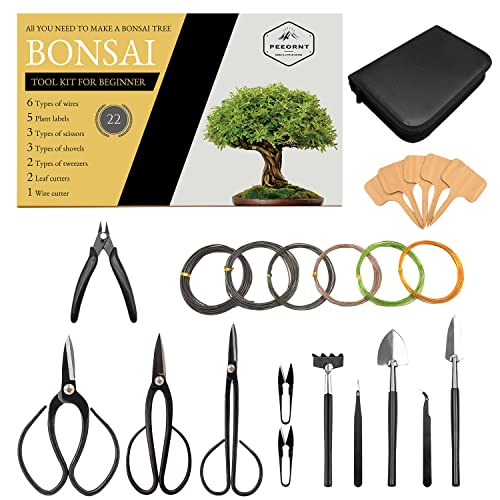
EVERYTHING YOU NEED TO START BONSAI - The bonsai tree kit includes 3 x bonsai scissor, 2 x leaf cutters, 2 x tweezers, 3 x soil shovels/rakes, 6 x bonsai training wires, 1 x wire cutter, 5 x bamboo plant markers. Start your bonsai journey with our bonsai kit.
Fig Tree Care Schedule for Fort Wayne
Fig trees can thrive in Fort Wayne, IN, but they require specific care to adapt to the region’s climate. Understanding the optimal schedule for planting, watering, and pruning is essential for successful growth. This section outlines the necessary steps to ensure your fig tree flourishes in the Midwestern environment.
| Task | Frequency | Best Time |
|---|---|---|
| Watering | Weekly | Growing season |
| Fertilizing | Once a year | Early spring |
| Pruning | Annually | Late winter |
Fig Harvest Timing for Optimal Flavor
Understanding the timing of fig harvest is crucial for maximizing flavor, especially in a climate like Fort Wayne’s. This section will explore the best practices for determining when to pick figs, ensuring that you enjoy the sweetest and most flavorful fruit possible from your fig trees.
Harvesting figs at the right time is crucial for flavor and quality. Figs do not ripen after being picked, so timing is essential.
Check for Ripeness: Ripe figs will feel soft to the touch and may droop slightly.
Use Proper Techniques: Gently twist or cut the stem to avoid damaging the tree.
Harvest Regularly: Figs can ripen over several weeks, so check frequently.
Fig Harvesting Techniques for Fort Wayne
Harvesting figs in Fort Wayne requires specific techniques tailored to the region’s climate and growing conditions. Understanding the optimal timing and methods for picking can significantly enhance the quality and yield of your fig crop. This section delves into effective harvesting strategies that ensure your figs are at their peak flavor and ripeness.
Inspect Figs: Look for signs of ripeness by checking softness and color.
Cut Carefully: Use clean pruning shears to cut figs from the tree.
Store Properly: Place harvested figs in a cool, dry place to extend freshness.
Successful Fig Varieties for Fort Wayne
When considering fig trees for Fort Wayne, it’s essential to choose varieties that can thrive in the region’s climate. Certain types have shown resilience and adaptability, making them suitable for local gardeners. This section explores the most successful fig varieties that can flourish in the unique conditions of Midwestern gardens.
Growing fig trees in Fort Wayne is possible with the right preparation and care. Selecting hardy varieties, preparing the soil, and providing winter protection are essential steps for success. Regular maintenance will lead to fruitful harvests.
