

Growing Mulberry Trees in San Jose, CA requires careful selection of local varieties to ensure optimal growth and fruit production. Choosing the right type can significantly impact your success, as climate and soil conditions play a crucial role in their development.
San Jose Mulberry Varieties and Climate Adaptation
San Jose features a Mediterranean climate characterized by hot, dry summers and mild, wet winters. This climate is suitable for Mulberry Trees, particularly the Black Mulberry and White Mulberry varieties. Understanding local temperature ranges and rainfall patterns is essential for selecting the right species.
Mulberry trees thrive in USDA hardiness zones 9b to 11. Here are key climate factors to consider:
Average summer temperatures: 80-100°F
Average winter temperatures: 30-50°F
Annual rainfall: 15-20 inches
Best Mulberry Varieties for San Jose
When selecting mulberry varieties for San Jose, it’s essential to consider the local climate and soil conditions. Certain types thrive better in this region, offering optimal growth and fruit production. This section explores the best mulberry varieties suited for San Jose, ensuring a fruitful and sustainable gardening experience.
Choosing the right Mulberry Tree variety is crucial for successful cultivation. The following varieties are well-suited for San Jose:
Recommended Products
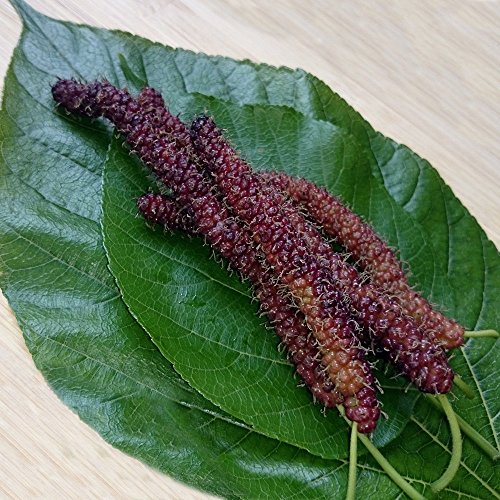

Mulberries are Beautiful Fruit Bearing Plants that will add spectacular beauty to any home or garden

Morus alba, or white mulberry, is a genus of tree that is found in parts of China and India.
Black Mulberry Characteristics and Benefits
The Black Mulberry is known for its sweet, dark fruit and adaptability to various soil types. It can grow up to 30 feet tall and is drought-resistant once established. This variety is ideal for those seeking a fruit-bearing tree with minimal maintenance.
White Mulberry Characteristics and Cultivation
White mulberry trees are well-suited for the climate of San Jose, CA, offering both ornamental beauty and practical fruit production. Known for their adaptability and resilience, these trees thrive in various soil types and require minimal care. Understanding their unique characteristics and cultivation needs can help local gardeners successfully integrate them into their landscapes.
The White Mulberry is often used for silkworm cultivation and prefers well-drained soil. It produces sweet, edible fruit and can reach heights of 50 feet. This variety is suitable for larger spaces and provides shade along with fruit.
San Jose Red Mulberry Characteristics
The Red Mulberry is native to the eastern United States but can thrive in San Jose. It produces sweet, red-purple fruits and grows up to 30 feet tall. This variety is known for its resilience and adaptability to different soil conditions.
Soil Preparation for Mulberry Cultivation
Proper soil preparation is crucial for successfully growing mulberry trees in San Jose, CA. The right soil conditions not only support healthy growth but also enhance fruit production. Understanding local soil types and necessary amendments will help ensure that your mulberry trees thrive in this unique climate.
Proper soil preparation is essential for healthy Mulberry Trees. Follow these steps to ensure optimal growth:
Test Soil pH: Aim for a pH between 6.0 and 7.0.
Amend Soil: Add organic matter such as compost to improve drainage and nutrient content.
Choose a Planting Site: Select a location with full sun exposure and adequate space for growth.
Mulberry Soil Preparation Techniques
Preparing the right soil is crucial for successfully growing mulberry trees in San Jose, CA. The local climate and soil conditions necessitate specific techniques to ensure optimal growth and fruit production. Understanding these preparation methods will help you create the ideal environment for your mulberry trees to thrive.
| Task | Description |
|---|---|
| Test pH | Use a soil test kit to determine acidity |
| Amend Soil | Incorporate compost or well-rotted manure |
| Drainage | Ensure the area drains well to prevent root rot |
Mulberry Tree Watering and Fertilization Tips
Proper watering and fertilization are crucial for the successful growth of mulberry trees in San Jose’s unique climate. Understanding the specific needs of these trees can enhance their health and fruit production. This section provides essential tips to ensure your mulberry trees thrive in the local environment.
Mulberry trees require consistent watering, especially during dry spells. Here are key practices to follow:
Watering Frequency: Water deeply every 1-2 weeks during dry periods.
Fertilization Schedule: Apply a balanced fertilizer in early spring and again in late summer.
Mulching: Use organic mulch to retain soil moisture and suppress weeds.
Recommended Products

STEADY NUTRITION: Experience Wellspring Gardens’ 20-6-9 Slow-Release Fertilizer, designed to deliver consistent nutrients over time, promoting the development of strong, healthy plants and trees.

BIGGER PLANTS: Miracle-Gro Water Can Singles All Purpose Plant Food is a water soluble plant fertilizer that grows plants twice as big (vs unfed plants)
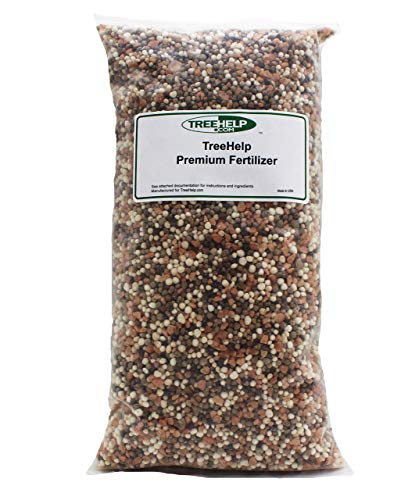
Approximately 3 Pounds
Mulberry Tree Pest and Disease Solutions
Mulberry trees, while resilient, can face various pests and diseases that threaten their health and productivity. In San Jose, understanding the specific challenges and solutions for these issues is crucial for successful cultivation. This section explores effective strategies to manage common pests and diseases affecting mulberry trees in the local climate.
Mulberry trees can be susceptible to pests and diseases. Regular monitoring is essential. Here are common issues and solutions:
Recommended Products

PEST DEFENSE - Insecticidal Super Soap controls species of adelgid, ant, aphid, borer, caterpillar, spider mite, cricket, chinch bug, weevil, fly, thrip, & more. OUTDOOR USE...
Mulberry Tree Pest Management Strategies
Effective pest management is crucial for maintaining healthy mulberry trees in San Jose, CA. Local growers face unique challenges due to the region’s climate and pest populations. Understanding specific strategies tailored to these conditions can help ensure robust growth and fruitful harvests.
Spider Mites: Look for webbing on leaves. Treat with insecticidal soap.
Scale Insects: Check for sticky residue. Remove by hand or use horticultural oil.
Mulberry Tree Disease Management Strategies
Effective disease management is crucial for maintaining healthy mulberry trees in San Jose, CA. Understanding common diseases that affect local varieties and implementing targeted strategies can significantly enhance tree resilience and productivity. This section explores practical approaches to prevent and address disease issues specific to the region’s climate and soil conditions.
Powdery Mildew: A fungal disease that appears as white powder on leaves. Improve air circulation and apply fungicides if necessary.
Root Rot: Caused by overwatering. Ensure proper drainage and avoid waterlogged soil.
Mulberry Harvesting Tips for San Jose
Harvesting mulberries in San Jose requires careful timing and technique to ensure the best flavor and yield. Understanding the local climate and the specific varieties grown in the area can help you determine the optimal harvest period. This section provides practical tips for successfully gathering mulberries in your backyard.
Harvesting Mulberries is straightforward. The fruits are ready when they turn a deep color and easily detach from the stem. Here are tips for harvesting:
Timing: Harvest in late spring to early summer.
Method: Gently twist the fruit to detach it from the branch.
Storage: Store harvested fruit in a cool place for up to a week.
Mulberry Tree Health Monitoring Techniques
Monitoring the health of mulberry trees is essential for ensuring their vitality and productivity, especially in the unique climate of San Jose, CA. By employing specific techniques tailored to local conditions, growers can effectively assess and address potential issues, promoting robust growth and fruiting. Understanding these methods will help you maintain healthy mulberry trees throughout their lifecycle.
Monitor tree health regularly.
Prune annually to encourage growth and fruit production.
Protect young trees from extreme weather conditions.
By selecting the right variety and following these cultivation practices, you can successfully grow Mulberry Trees in San Jose, CA.
