

Fig trees thrive in Raleigh, NC, offering both ornamental beauty and delicious fruit. To successfully grow fig trees in this region, select the right varieties and follow specific planting and care guidelines to ensure healthy growth and fruit production.
Recommended Fig Tree Varieties for Raleigh
When selecting fig trees for Raleigh, NC, it’s essential to consider varieties that thrive in the region’s climate and soil conditions. The right choice can lead to a bountiful harvest and enhance your landscape. This section highlights the best fig tree varieties suited for Central Carolina, ensuring you make an informed decision for your garden.
Choosing the appropriate fig tree variety is crucial for success in Raleigh’s climate. Some varieties perform better than others due to their adaptability to local conditions. The following varieties are recommended for Central Carolina:
| Fig Variety | Description | Cold Hardiness | Fruit Size |
|---|---|---|---|
| Brown Turkey | Sweet, medium-sized figs | USDA Zone 6-10 | Medium |
| Celeste | Known for its rich flavor | USDA Zone 6-10 | Small to medium |
| Kadota | Excellent for drying and preserves | USDA Zone 7-10 | Large |
| Chicago Hardy | Resilient to colder temperatures | USDA Zone 5-10 | Medium |
Select a variety based on your taste preferences and local climate conditions. Each of these options offers unique flavors and growth habits suitable for Raleigh.
Fig Tree Planting Site Preparation
Preparing the site for fig tree planting in Raleigh, NC, is essential for ensuring healthy growth and fruitful yields. This process involves assessing soil quality, sunlight exposure, and drainage conditions to create an optimal environment for these trees. Proper preparation lays the groundwork for a thriving fig tree that can withstand local climate challenges.
Preparing the planting site is essential for healthy fig tree growth. Fig trees prefer well-drained soil with a pH between 6.0 and 6.8. Follow these steps to prepare your site:
Choose a sunny location with at least 6-8 hours of sunlight daily.
Test the soil for pH and drainage. Amend as needed.
Clear debris and weeds from the planting area.
Dig a hole twice the width and depth of the root ball.
Ensure that the site has good air circulation to prevent fungal diseases. Avoid low-lying areas where water may pool.
Recommended Products

Kindly NOTE: This soil tester can not be applied to test pH value of any other liquid. If the soil is too dry the indicator will not move, and water it before testing.

KNOW BEFORE YOU GROW | Grow the healthiest, sustainable lawn and garden with the most accurate and easy to use professional soil test kit on the market
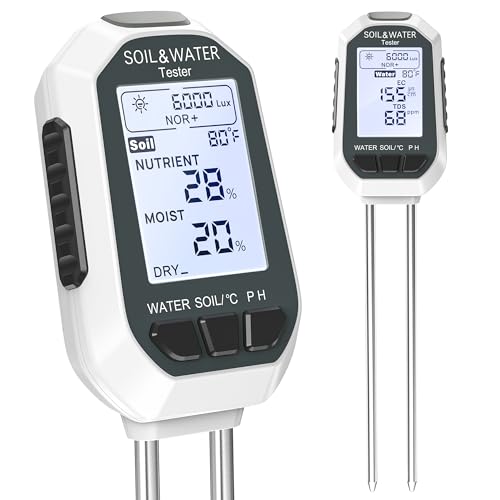
【7-in-1 Features】This is a 7-in-1 multi-function soil tester. Our soil tester quickly measures soil moisture, pH, temperature and light intensity, and its fertility function helps you take better care of your plants. With this device you can measure the soil moisture, pH, temperature and light intensity for your plants and with the EC and TDS functions you will know when it is time to water the soil.
Fig Tree Planting Techniques in Central Carolina
Successfully planting fig trees in Central Carolina requires an understanding of the region’s unique climate and soil conditions. This section will explore effective techniques tailored for Raleigh, NC, ensuring optimal growth and fruit production. By following these guidelines, you can cultivate healthy fig trees that thrive in this specific environment.
Planting fig trees correctly sets the foundation for their success. Follow these steps to ensure proper planting:
Position the tree in the center of the hole, ensuring the root crown is level with the soil surface.
Backfill the hole with native soil, gently tamping down to eliminate air pockets.
Water thoroughly after planting to settle the soil around the roots.
Apply a layer of mulch around the base to retain moisture and suppress weeds.
Monitor the tree closely for signs of stress in the weeks following planting. Adjust watering as necessary.
Fig Tree Care Practices for Optimal Growth
Caring for fig trees in Raleigh, NC requires specific practices to ensure optimal growth and fruit production. Understanding the local climate and soil conditions is essential for maintaining healthy trees. This section outlines key care practices, including watering, fertilization, and pruning techniques tailored to the unique challenges of Central Carolina gardening.
Establishing a care routine is vital for fig tree health. Regular maintenance will promote growth and fruit production. Consider the following care practices:
Watering: Provide deep watering every 1-2 weeks, especially during dry spells.
Fertilizing: Use a balanced fertilizer in early spring and again in mid-summer.
Pruning: Prune in late winter to remove dead or crossing branches. This encourages better airflow and fruit production.
Pest Management: Inspect regularly for pests like aphids and spider mites. Use organic insecticidal soap if necessary.
This routine will help maintain the vigor of your fig trees and maximize fruit yield.
Cold Weather Protection for Fig Trees
Fig trees can be vulnerable to cold temperatures, especially in the Raleigh area where winter conditions can vary significantly. Understanding how to protect these trees during colder months is essential for ensuring their health and productivity. This section outlines effective strategies to safeguard your fig trees from frost and freezing temperatures.
Raleigh experiences occasional cold snaps that can damage fig trees. Implement protective measures to safeguard your trees during winter months.
Wrap trunks with burlap or frost cloth to insulate against freezing temperatures.
Apply mulch around the base to protect roots from cold soil.
Consider container planting for young trees, allowing you to move them indoors during extreme cold.
Be proactive in monitoring weather forecasts and adjust protections as needed. This will help ensure your fig trees survive harsh winter conditions.
Recommended Products

The Large plant cover is perfect for Plant size 55''-70"high and 84''-94" round, Heavy-weight FRCs (1.77oz./sq. yard): usually used to extend the growing season in spring and fall, allow 40%-60% light transmittance, and recommend 3°-8°F of freeze protection

The small plant cover is perfect for Plant size 16''-23"high and 36''-46" round, Heavy-weight FRCs (1.77oz./sq. yard): usually used to extend the growing season in spring and fall, allow 40%-60% light transmittance, and recommend 3°-8°F of freeze protection

【Super Large Size】Our winter plant covers are designed with a super large size, measuring 120 inches in height and 100 inches in width. This generous size tree cover ensures easy coverage and protection for various types of shrubs and small trees. You can even gather multiple potted plants together and use one large plant cover, eliminating the hassle of multiple small covers.
Fig Tree Growth Challenges and Solutions
Growing fig trees in Raleigh, NC presents unique challenges due to the region’s climate and soil conditions. Understanding these obstacles is essential for successful cultivation, as well as knowing the effective solutions that can enhance growth and fruit production. This section delves into common issues faced by fig tree growers and offers practical strategies to overcome them.
Fig trees can face several challenges that may hinder their growth. Identifying and addressing these issues promptly is essential. Common problems include:
| Issue | Symptoms | Solutions |
|---|---|---|
| Leaf Drop | Yellowing leaves | Adjust watering and check for pests |
| Poor Fruit Set | Few or no figs | Ensure proper pollination and fertilization |
| Root Rot | Wilting and browning | Improve drainage and reduce watering |
Regular inspections will help catch these problems early. Take action as soon as symptoms appear to maintain tree health.
Fig Tree Planting Supply Checklist
When planning to plant fig trees in Raleigh, NC, having the right supplies is essential for successful growth and fruit production. This checklist outlines the necessary tools and materials to ensure your fig trees thrive in the Central Carolina climate, helping you create a fruitful garden with minimal hassle.
Before planting your fig trees, ensure you have the necessary supplies. Here’s a checklist of items to gather:
Fig tree saplings: Choose from recommended varieties.
Soil amendments: Compost or peat moss for soil improvement.
Fertilizer: Balanced, slow-release fertilizer for feeding.
Mulch: Organic mulch to retain moisture and suppress weeds.
Gardening tools: Shovel, pruners, and watering can.
Having these supplies ready will streamline your planting process and set your fig trees up for success.
Recommended Products

100% Natural: Custom blend for Fiddle Leaf Fig Tree (Lyre Leaf Fig Tree); no artificial ingredients
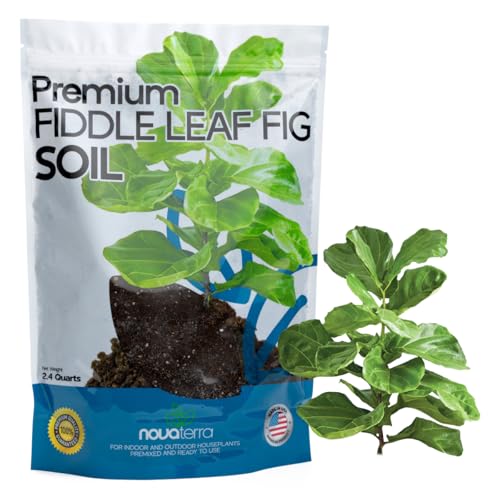
FIDDLE LEAF FIG SOIL: Premixed, ready-to-use blend formulated for Ficus lyrata. Supports healthy roots with balanced moisture retention and excellent drainage.

Pre-Mixed & Ready To Use: Our fiddle leaf fig potting soil mix is meticulously crafted for convenience. It includes a 5-in-1 blend of coco coir, coconut fiber, perlite, pumice and pine bark, so there is no need to purchase, measure or mix separate ingredients. The ready-to-use blend helps make repotting large indoor plants quicker and less messy.
