

Selecting the right fruit trees for Jacksonville, FL ensures a fruitful harvest in the subtropical climate. Ideal choices include citrus varieties, figs, and avocados that thrive in this region’s warm temperatures and humidity.
Jacksonville’s Humid Subtropical Fruit Tree Guide
Jacksonville’s climate is classified as humid subtropical, characterized by hot summers and mild winters. This climate supports a variety of fruit trees that require warm temperatures and can tolerate occasional cold snaps. Choosing the right species is essential for successful growth and fruit production.
Recommended Products

The exotic and bright scent of juicy dragon fruit with hints of zesty citrus and sweet red berries
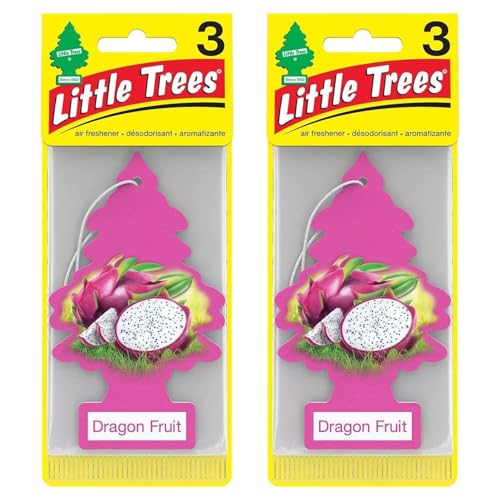
Freshen your life on the road with the Little Trees air fresheners

🌳 3-Pack Fruit Tree Bundle Includes live apple, blueberry, blackberry trees—perfectly paired for a diverse and productive backyard orchard.
Best Fruit Trees for Jacksonville’s Climate
Jacksonville’s subtropical climate offers a unique opportunity for growing a variety of fruit trees that thrive in warm temperatures and humidity. Selecting the right species can lead to a bountiful harvest, ensuring both flavor and resilience against local weather conditions. This section explores the best fruit trees suited for Jacksonville, providing insights into their growth requirements and benefits.
Several fruit trees flourish in Jacksonville’s climate. Consider the following options:
Citrus Trees: Oranges, lemons, and limes are popular choices. They require full sun and well-drained soil.
Fig Trees: Figs thrive in warm weather and can tolerate drought once established.
Avocado Trees: These trees prefer well-drained soil and can produce fruit in just a few years.
Peach Trees: Certain varieties can withstand mild winters and produce sweet fruit.
| Fruit Tree Type | Sun Requirement | Soil Preference | Harvest Time |
|---|---|---|---|
| Citrus | Full Sun | Well-drained | Winter-Spring |
| Fig | Full Sun | Sandy Loam | Summer |
| Avocado | Full Sun | Well-drained | Late Summer |
| Peach | Full Sun | Loamy | Summer |
Garden Site Preparation for Fruit Trees
Preparing your garden site is crucial for successfully growing fruit trees in Jacksonville’s subtropical climate. This section outlines essential steps to ensure optimal soil conditions, proper drainage, and adequate sunlight, all of which contribute to the health and productivity of your trees. Understanding these foundational elements will set you on the path to a fruitful harvest.
Preparation is crucial for successful planting. Start by selecting a suitable location that receives at least six hours of sunlight daily. Clear the area of weeds and debris.
Test Soil: Use a soil test kit to check pH levels. Most fruit trees prefer a pH between 6.0 and 7.0.
Amend Soil: Add organic matter to improve drainage and nutrient content.
Plan Spacing: Ensure adequate spacing between trees to promote airflow and sunlight penetration.
Subtropical Fruit Tree Planting Methods
In Jacksonville, FL, successfully cultivating subtropical fruit trees requires an understanding of specific planting methods tailored to the region’s climate and soil conditions. This section explores effective techniques for planting and nurturing these trees, ensuring optimal growth and fruit production in a subtropical environment. By following these guidelines, gardeners can enhance their chances of thriving fruit harvests.
Proper planting techniques increase the likelihood of healthy growth. Follow these steps for effective planting:
Dig Holes: Create holes twice as wide as the root ball but no deeper than the root ball itself.
Position Trees: Place the tree in the center of the hole, ensuring the root flare is level with the soil surface.
Backfill Soil: Fill the hole with native soil, avoiding the addition of fertilizers at this stage.
Water Thoroughly: Water the newly planted tree to eliminate air pockets and encourage root establishment.
Essential Maintenance for Fruit Tree Health
Maintaining the health of fruit trees in Jacksonville’s subtropical climate is crucial for a successful harvest. Proper care practices, including pruning, watering, and pest management, can significantly enhance fruit production and tree longevity. Understanding these essential maintenance techniques will help ensure your trees thrive in this unique environment.
Ongoing maintenance is vital for the health of your fruit trees. Implement the following practices:
Watering: Ensure consistent moisture, especially during dry spells. Deep watering encourages deeper root growth.
Mulching: Apply organic mulch around the base to retain moisture and suppress weeds.
Pruning: Regularly prune to remove dead or diseased branches and to shape the tree for better sunlight exposure.
Pests and Diseases Affecting Fruit Trees
In Jacksonville, FL, fruit trees face various pests and diseases that can significantly impact their health and productivity. Understanding these challenges is crucial for successful cultivation in a subtropical climate. By identifying common threats, gardeners can implement effective management strategies to protect their trees and ensure a fruitful harvest.
Being aware of potential threats can help protect your fruit trees. Monitor for the following issues:
Citrus Canker: A bacterial disease that causes leaf lesions. Remove affected areas immediately.
Scale Insects: These pests can weaken trees by sucking sap. Use insecticidal soap for control.
Root Rot: Overwatering can lead to root rot. Ensure proper drainage to prevent this condition.
| Pest/Disease | Symptoms | Treatment |
|---|---|---|
| Citrus Canker | Leaf lesions | Remove affected areas |
| Scale Insects | Wilting leaves | Insecticidal soap |
| Root Rot | Wilting, yellowing | Improve drainage |
Signs of Ripeness for Jacksonville Fruit Trees
Understanding the signs of ripeness is crucial for successfully harvesting fruit trees in Jacksonville, FL. The subtropical climate influences the growth and maturation of various fruits, making it essential to recognize when they are ready for picking. This section delves into the specific indicators that signal optimal ripeness for popular fruit varieties in the region.
Knowing when to harvest is key to enjoying the fruits of your labor. Each type of fruit tree has its own signs of ripeness.
Citrus: Look for color change and firmness.
Figs: Harvest when they are soft and droop slightly.
Avocados: Pick when they feel slightly soft but not mushy.
Harvesting at the right time ensures the best flavor and quality of your fruit.
Essential Care Strategies for Thriving Fruit Trees
Successfully growing fruit trees in Jacksonville, FL requires a tailored approach to care that considers the subtropical climate. Understanding essential strategies for watering, fertilizing, and pruning can significantly enhance the health and productivity of your trees. This section outlines key practices to ensure your fruit trees thrive in the unique conditions of the region.
Regular monitoring and care are essential for thriving fruit trees. Keep an eye on weather conditions and adjust care practices accordingly.
Avoid planting too close to structures that may cast shade.
Select disease-resistant varieties whenever possible to minimize maintenance.
With the right choices and care, your fruit trees can provide a bountiful harvest for years to come.
