

Have you ever wondered when those beautiful crab apple trees in your neighborhood will bear fruit? If you’ve got one in your yard or are thinking about planting one, knowing the timing can be crucial for planning your garden.
Key Takeaways
- Fruit Production Timeline: Crab apple trees typically bear fruit 3-5 years after planting, with blooming occurring in spring and fruit ripening by late summer to early fall (August to September).
- Optimal Growing Conditions: These trees thrive in well-drained, organic-rich soil with full sun exposure, requiring at least 6-8 hours of direct sunlight daily to support healthy growth and fruit development.
- Important Maintenance Practices: Regular pruning in late winter or early spring promotes better air circulation and fruit production, while monitoring for pests and diseases is crucial for maintaining tree health.
- Pollination Importance: Successful pollination, often requiring multiple trees for cross-pollination, is essential for a bountiful harvest; planting compatible varieties enhances fruit yield.
- Harvesting Techniques: Crab apples should be harvested when fully ripe, identified by color change, firmness, and ease of release; gentle handpicking or using clippers minimizes damage to the fruit.
- Culinary Uses: Ripe crab apples can be transformed into delicious jellies, ciders, or culinary dishes, enhancing flavors while maximizing the harvest.
Overview of Crab Apple Trees
Crab apple trees belong to the Malus genus, recognized for their small, tart fruits. These trees thrive in USDA hardiness zones 4-8 and typically reach heights of 15-30 feet. Their stunning spring blooms attract pollinators and enhance your landscape.
Characteristics of Crab Apple Trees
- Leaves: Leaves exhibit a glossy green appearance, turning vibrant shades of yellow, orange, or red in autumn.
- Flowers: Flowers range in color from white to pink, with many varieties offering a delightful fragrance.
- Fruit: Crab apples vary in size, usually measuring about 1-2 inches in diameter. Their flavor often lends themselves to making jellies or cider.
Growing Conditions
Crab apple trees favor well-drained soil rich in organic material. They prefer full sun exposure, requiring at least 6-8 hours of direct sunlight daily. Regular watering during dry spells promotes healthy growth, particularly in their first few years.
Pruning and Maintenance
Pruning ensures good air circulation and removes dead or overcrowded branches. Ideally, prune in late winter or early spring, just before blooming. This practice encourages better fruit production and overall tree health.
Fruit Production Timeline
Crab apple trees generally begin to bear fruit within 3-5 years after planting. Varieties may differ, so always check specific guidelines for your tree type. Proper pollination often ensures a bountiful harvest.
Pest and Disease Management
Common issues include apple scab, fire blight, and various insect pests like aphids. Regular inspections, proper pruning, and timely treatments maintain tree health and fruit quality.
Recognizing crab apple trees’ characteristics and understanding their care can enhance your gardening experience while providing beautiful blooms and fruit in your landscape.
Flowering Cycle
Crab apple trees undergo a distinct flowering cycle that plays a vital role in fruit production. Understanding this cycle helps you maximize the potential of your tree.
Pollination Process
Pollination in crab apple trees occurs primarily through insects, especially bees. When blossoms open, they release nectar, attracting these pollinators. For your tree to produce fruit, cross-pollination is often necessary. This means planting multiple crab apple trees increases the chances of successful pollination. Choose varieties that bloom at the same time to enhance fruit yield.
Flowering Timeline
Crab apple trees typically bloom in spring. In most regions, blooms appear between April and May, depending on local climate conditions. Each flower lasts about 5-7 days. After flowering, small, green fruits develop within 1-2 weeks. The fruit ripens by late summer or early fall, usually around August to September. Proper timing and conditions throughout this cycle lead to the best fruit production.
Fruit Development
Crab apple trees undergo an interesting fruit development process, starting shortly after the flowering stage. Understanding these stages can help you maximize your tree’s fruit yield.
Recommended Products
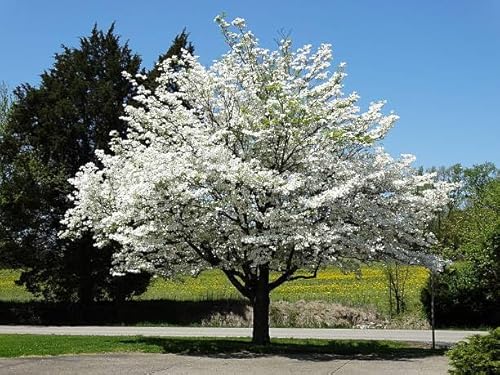
Ornamental Beauty in Spring and Fall: Grow your own stunning Crabapple tree from these Crabapple Tree Seeds. Enjoy a spectacular display of fragrant white blooms in spring, followed by attractive miniature Crabapple Fruits in the autumn that persist into winter, providing year-round visual interest.

Live Starter Plant: You will receive a well-rooted live plant approximately 5-8" tall, come in soil without pot, for planting in garden or container.

Introducing ‘Haihong Guo’ - The Unique Chinese Crabapple: Grow your own Haihong Guo Crabapple tree from these authentic seeds. This prized variety of Flowering Crabapple (Malus micromalus) is celebrated not just for its beauty, but for its exceptionally nutritious and versatile fruits.
Initial Fruit Formation
After flowering, the ovaries of the pollinated flowers begin transforming into small green fruits. This transition occurs about 1-2 weeks post-pollination. Early fruit formation is crucial; if pollination is insufficient, the result may be fewer or no fruits. For optimal development, plant multiple compatible varieties to enhance cross-pollination and ensure a successful harvest.
Growth Stages of Fruit
The growth of crab apples progresses through several clear stages:
- Fruit Development: Small, pea-sized fruits appear shortly after initial formation. These will eventually grow larger.
- Maturation: Over the following weeks, the fruits continue to ripen, swelling in size and changing color from green to yellow or red as they mature.
- Harvest Time: Most crab apples are ready for harvest between late summer and early fall (August to September), depending on the variety. At this stage, the fruits are typically 1-2 inches in diameter and can vary in taste from tart to sweet.
Monitoring your tree during these stages is vital. Regular checks for pests and diseases ensure healthy fruit development. Proper maintenance promotes a bountiful harvest, allowing you to enjoy the fruits of your labor.
Factors Affecting Fruit Production
Several factors influence the fruit production of crab apple trees. Understanding these can help you achieve a successful harvest.
Recommended Products
FORMULATED FOR CITRUS AND FRUIT TREES: Use these citrus fertilizer spikes on apple, orange, lemon, lime, and avocado trees; this formula is also great for feeding palm trees

Package contains 4 Pounds organic fruit and citrus fertilizer grains and is produced to avoid wasteful runoff, mess, hazards and smells

Made for Lemon & Citrus Trees – Formulated to support healthy growth in lemon and citrus plants.
Environmental Conditions
Environmental conditions play a critical role in fruit production. Crab apple trees thrive in well-drained, organic-rich soil with full sun exposure. Aim for at least six hours of direct sunlight each day to promote blooming and fruit development. Regions within USDA hardiness zones 4-8 offer the ideal climate for these trees, as they can withstand temperature fluctuations.
Soil pH should typically range from 6.0 to 7.0. Testing your soil can help determine if it needs amendments. Excess moisture can lead to root rot, so avoid poorly drained areas. Proper spacing between trees enhances air circulation, minimizing disease risk and improving fruit yield.
Tree Health and Maintenance
Tree health significantly impacts fruit yield. Regular maintenance practices are essential for robust growth. Start with annual pruning during late winter or early spring. This helps remove dead or overcrowded branches, promoting better sunlight penetration and air flow.
Monitor your tree for pests and diseases, such as aphids or apple scab, which can reduce fruit quality. Utilize organic pesticides when necessary, following the manufacturer’s guidelines for application. Feeding your crab apple tree with a balanced fertilizer in early spring can encourage strong growth and abundant fruit set.
Watering your tree consistently, especially during dry spells, supports fruit development. Aim for about an inch of water weekly. Mulching around the base helps retain moisture and regulate soil temperature. By prioritizing tree health, you can enhance fruit production and overall vitality.
Harvesting Crab Apples
Harvesting crab apples occurs in late summer to early fall, typically between August and September. Timing plays a key role in fruit quality. Wait until the fruits have developed their full color and size—usually around 1-2 inches in diameter.
Signs of Ripeness
- Color Change: Look for a shift to vibrant shades. Yellow, red, or orange hues indicate ripeness, depending on the variety.
- Firmness: Gently squeeze a fruit. A slight give suggests it’s ready to pick.
- Ease of Release: If the fruit comes off the tree with minimal effort, it’s ripe.
Harvesting Techniques
- Handpicking: Use your fingers to twist the fruit gently. This method minimizes damage.
- Clippers: Opt for sharp clippers for hard-to-reach fruits. Cut the stem close to the fruit.
- Avoid Dropping: Place fruits in a soft basket to prevent bruising.
Post-Harvest Care
- Cleaning: Rinse crab apples under cool water to remove dirt and residues.
- Storage: Store in a cool, dark place. Temperatures between 30-35°F extend freshness. Avoid stacking them too high to prevent bruising.
- Jellies and Jams: Combine crab apples with sugar and water for delightful spreads.
- Cider: Create homemade cider using fermented crab apples for a unique flavor.
- Culinary Dishes: Add to salads, roasts, or pies for a tart twist.
Monitoring the right time and techniques for harvesting will enhance your culinary experiences with crab apples while ensuring the best flavor and quality for all your recipes.
Conclusion
Growing crab apple trees can be a rewarding experience filled with beautiful blooms and tasty fruits. By understanding their fruit production timeline and the care they need you can enjoy a bountiful harvest in just a few years. Remember to provide the right conditions and keep an eye on your tree’s health to maximize your yield.
When the time comes for harvesting pay attention to the signs of ripeness to ensure the best flavor and quality. Whether you’re making jellies or simply enjoying the fruits straight from the tree crab apples can add a delightful touch to your garden and your kitchen. Happy gardening!
Frequently Asked Questions
When do crab apple trees start bearing fruit?
Crab apple trees typically begin to bear fruit within 3-5 years after planting. Adequate pollination is crucial during this period to ensure a fruitful harvest.
What are the ideal growing conditions for crab apple trees?
Crab apple trees thrive in well-drained, organic-rich soil and require full sun exposure. They do best in USDA hardiness zones 4-8, with a soil pH of 6.0 to 7.0 for optimal growth.
How long do crab apple tree flowers last?
Crab apple flowers usually bloom in spring (April to May) and last approximately 5-7 days. The blooming period is essential for pollination and fruit production.
How can I improve fruit yield from my crab apple tree?
To enhance fruit yield, maintain soil health, ensure proper spacing, and monitor tree health. Pruning, pest control, and feeding with balanced fertilizer in early spring are also beneficial.
When is the best time to harvest crab apples?
The best time to harvest crab apples is late summer to early fall, usually between August and September. Look for color change, firmness, and ease of picking to determine ripeness.
What culinary uses do crab apples have?
Crab apples are versatile in the kitchen. They are commonly used to make jellies, cider, and can be added to various dishes for a tart flavor, enhancing both taste and presentation.
