
Close Menu
    Fruit Tree Hub
    • Home
    • Apple Trees
    • Lemon Trees
    • Mango Trees
    • Orange Trees
    • More Trees
      • Best Fruit Trees
      • Apricot Trees
      • Cherry Trees
      • Fig Trees
      • Lime Trees
      • Mulberry Trees
      • Peach Trees
      • Pear Trees
      • Plum Trees
      • Pomegranate Trees
    • Tips and Advice
      • Tools
    • About Us
      • Contact
      • Privacy Policy
    Fruit Tree Hub
    Home»Tips and Advice»When Do Lemon Trees Start Producing Fruit: Factors That Influence Your Citrus Harvest
    Tips and Advice

    When Do Lemon Trees Start Producing Fruit: Factors That Influence Your Citrus Harvest

    Martha JacksonBy Martha JacksonNovember 4, 20247 Mins Read
    Share Facebook Twitter Pinterest WhatsApp Email
    Share
    Facebook Twitter LinkedIn Pinterest Telegram Email

    Have you ever wondered when your lemon tree will finally reward you with its tangy fruit? You’re not alone. Many gardeners eagerly anticipate that first burst of citrus flavor, but the timeline can be a bit tricky.

    Contents show
    1 Key Takeaways
    2 Understanding Lemon Tree Growth Stages
    2.1 Seedling Stage
    2.2 Young Tree Stage
    3 Factors Influencing Fruit Production
    3.1 Tree Age
    3.2 Environmental Conditions
    4 Typical Timeframes for Fruit Production
    4.1 Varietal Differences
    4.2 Climate Impact
    5 Caring for Lemon Trees for Optimal Yield
    5.1 Watering and Soil Requirements
    5.2 Pruning Techniques
    6 Conclusion
    7 Frequently Asked Questions
    7.1 How long does it take for a lemon tree to produce fruit?
    7.2 What factors influence fruit production in lemon trees?
    7.3 How should I care for my lemon tree to encourage fruiting?
    7.4 What type of soil is best for lemon trees?
    7.5 Can younger lemon trees produce fruit?

    Key Takeaways

    • Growth Stages: Lemon trees progress through seedling, young tree, and mature stages, significantly impacting when they start producing fruit. Understanding these stages is crucial for gardeners.
    • Timeline for Production: Most lemon trees will produce significant fruit after 3 to 5 years, depending on the variety and care provided. Younger trees may yield small fruits earlier but won’t reach mature production until fully grown.
    • Environmental Factors: Optimal sunlight (at least 8 hours daily), temperature (70°F to 85°F), soil quality, watering, and fertilization are vital in promoting fruit production for lemon trees.
    • Varietal Differences: Different lemon varieties have distinct timeframes for fruiting, with Eureka and Lisbon producing within 3 to 4 years, while Meyer lemons may begin to bear fruit in just 2 to 3 years.
    • Care Techniques: Proper watering, using well-draining soil, and strategic pruning not only support the health of lemon trees but also enhance their fruit yield. Regular maintenance is key for optimal harvest results.

    Understanding Lemon Tree Growth Stages

    Lemon trees progress through distinct growth stages, each affecting their fruit production timeline. Understanding these stages helps you anticipate when your tree might yield lemons.

    Seedling Stage

    Lemon trees begin as seedlings, sprouting from seeds or young plants. This stage lasts for about 6 to 12 months. During this time, focus on providing adequate light, water, and nutrients. A well-drained potting mix works best for healthy growth. Seedlings that receive proper care show strong root systems, which support future fruiting.

    MUST READ
    How to Prune Fruit Trees Video: Step-by-Step Guide for Healthier, More Productive Trees

    Young Tree Stage

    After the seedling stage, lemon trees enter the young tree stage, lasting up to 3 years. Trees in this stage might grow to about 2 to 5 feet tall. Regular watering and fertilization are essential. You should prune young branches to encourage bushier growth and improve air circulation. Young trees may produce small fruit, but most won’t mature until they reach full maturity. You’ll likely see your first significant fruit production around the 3-5 year mark, depending on the tree variety and care provided.

    Factors Influencing Fruit Production

    Several factors influence when lemon trees start producing fruit. Understanding these can help you maximize your harvest.

    Recommended Products

    Lemon Tree Fertilizer – Liquid Plant Food for Healthy Growth & Blooms, 8 oz | Promotes Fruit Production, For Meyer & Dwarf Varieties, Supports Healthy Leaves, In-Ground & Potted Citrus, Fast-Absorption
    Lemon Tree Fertilizer – Liquid Plant Food for Healthy Growth & Blooms, 8 oz | Promotes Fruit Production, For Meyer & Dwarf Varieties, Supports Healthy Leaves, In-Ground & Potted Citrus, Fast-Absorption

    Made for Lemon & Citrus Trees – Formulated to support healthy growth in lemon and citrus plants.

    VIEW LATEST PRICE

    As an affiliate, we earn on qualifying purchases.

    Farmer's Secret Citrus Tree Booster Fertilizer - Super Concentrated - Formulated for All Citrus Trees Including All Types of Lemons, Limes, and Oranges - Outdoor and Indoor/Container Trees (8oz)
    Farmer's Secret Citrus Tree Booster Fertilizer - Super Concentrated - Formulated for All Citrus Trees Including All Types of Lemons, Limes, and Oranges - Outdoor and Indoor/Container Trees (8oz)

    Let our professionally formulated plant food help your citrus tree grow healthy, strong AND abundantly producing

    VIEW LATEST PRICE

    As an affiliate, we earn on qualifying purchases.

    GARDENWISE Professional Citrus Fertilizer + Vital Micronutrients; Perfect Balanced NPK for All Citrus; for Indoor and Outdoor Plants; Orange, Lime, Avocado and Lemon Tree Fertilizer (1 lb~ 1/2 qt.)
    GARDENWISE Professional Citrus Fertilizer + Vital Micronutrients; Perfect Balanced NPK for All Citrus; for Indoor and Outdoor Plants; Orange, Lime, Avocado and Lemon Tree Fertilizer (1 lb~ 1/2 qt.)

    🍋 EXPLOSIVE HARVEST: GardenWise ignites a remarkable yield boost. Its scientific blend, featuring 6% nitrogen for growth, 4% phosphorus for flowering, and 6% potassium for fruit quality, culminates in an abundance of flavorful, aromatic fruits. This is more than growth; it's a nutrient-powered revolution in your citrus yield.

    MUST READ
    Do Fruit Trees Increase Property Value: Discover Their Impact on Your Home's Worth
    VIEW LATEST PRICE

    As an affiliate, we earn on qualifying purchases.

    Tree Age

    Tree age plays a critical role in fruit production. Younger lemon trees usually take 3 to 5 years to bear significant fruit. Even if your tree produces a few small fruits earlier, substantial yields won’t occur until it reaches maturity. Specific varieties may have slightly different maturity timelines, so knowing your tree’s type can guide your expectations.

    Environmental Conditions

    Environmental conditions directly impact fruit production. Here are key factors to consider:

    • Sunlight: Lemon trees thrive in full sunlight. Aim for at least 8 hours of direct sunlight daily.
    • Temperature: These trees prefer temperatures between 70°F to 85°F. Extreme heat or cold can hinder growth and fruiting.
    • Soil Quality: Well-draining, sandy loam soil helps prevent root rot. Test your soil to ensure proper pH levels, ideally between 5.5 and 6.5.
    • Watering: Consistent watering promotes healthy growth. Avoid overwatering, which can lead to root problems. Water when the top inch of soil feels dry.
    • Fertilization: Regular fertilization with a balanced fertilizer supports growth and fruiting. Use a fertilizer rich in potassium, as it encourages flowering and fruit development.

    By paying attention to tree age and environmental conditions, you can enhance your lemon tree’s fruit production and enjoy bountiful harvests.

    Typical Timeframes for Fruit Production

    Understanding when lemon trees start producing fruit involves recognizing several crucial factors. Timeline variations exist based on the tree’s age, variety, and environmental conditions.

    Recommended Products

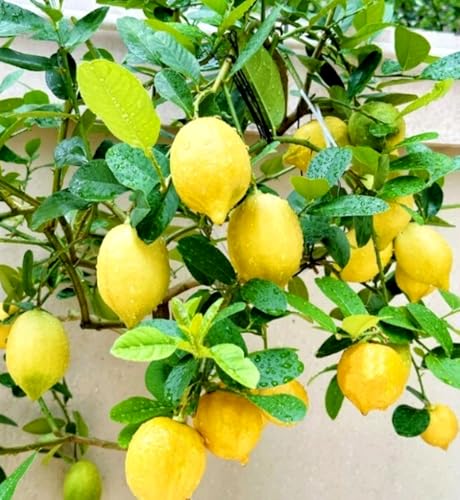
    Eureka Lemon Tree Live Plant, Grafted Lemon Plant for Indoor Outdoor | Live grafted Eureka Lemon Tree ideal for beginner gardeners, kitchens, patios, and outdoor garden spaces.
    Eureka Lemon Tree Live Plant, Grafted Lemon Plant for Indoor Outdoor | Live grafted Eureka Lemon Tree ideal for beginner gardeners, kitchens, patios, and outdoor garden spaces.

    LIVE GRAFTED EUREKA LEMON TREE: Bring natural citrus greenery to your space with a live grafted lemon tree, ideal for beginner gardeners, patios, balconies, kitchens, and outdoor garden areas.
    VIEW LATEST PRICE

    As an affiliate, we earn on qualifying purchases.

    30PCS Meyer Lemon Seeds Delicious Fruit Citrus Garden Tree Seeds Heirloom
    30PCS Meyer Lemon Seeds Delicious Fruit Citrus Garden Tree Seeds Heirloom

    Meyer lemons are a thin-skinned hybrid fruit.

    VIEW LATEST PRICE
    MUST READ
    How to Grow a Fruit Tree from Seed: A Complete Guide to Nurturing Healthy Trees

    As an affiliate, we earn on qualifying purchases.

    Garden State Bulb Meyer Lemon Tree, Citrus Live Plant (1 Gallon Growers Pot) Cannot Ship FL, AZ, CA, TX, LA
    Garden State Bulb Meyer Lemon Tree, Citrus Live Plant (1 Gallon Growers Pot) Cannot Ship FL, AZ, CA, TX, LA

    Container Size: 1 Gallon

    VIEW LATEST PRICE

    As an affiliate, we earn on qualifying purchases.

    Varietal Differences

    Lemon tree varieties impact fruit production timelines significantly. For example:

    • Eureka: Typically starts producing fruit within 3 years. Known for its consistency and abundant harvests.
    • Lisbon: Similar to Eureka, Lisbon lemons bear fruit around the 3 to 4-year mark. They thrive in various climates.
    • Meyer: This hybrid variety may take 2 to 3 years to produce fruit. Meyer lemons deliver sweeter, less acidic fruit.

    Each variety might yield fruit at different rates, so select the one that aligns with your gardening goals.

    Climate Impact

    Climate conditions play a pivotal role in the productivity of lemon trees. Ensure the following:

    • Sunlight: Lemon trees require at least 8 hours of direct sunlight daily. Insufficient sunlight delays fruiting.
    • Temperature: Optimal temperatures range from 70°F to 85°F. Extreme conditions can stress the tree, hindering fruit production.
    • Soil Quality: Well-draining sandy loam soil promotes healthy root growth. Poor soil conditions can stunt development and delay fruiting.

    Properly assessing and adjusting your tree’s environment enhances its ability to bear fruit timely.

    Caring for Lemon Trees for Optimal Yield

    Caring for lemon trees effectively ensures you enjoy abundant fruit production. Follow these guidelines to maximize your yield.

    Recommended Products

    XLUX Long Probe Plant Soil Moisture Meter, Indoor Outdoor use, Battery-Free | longer stem for deeper use, instant read, anti-rust 304 SST probe, Easy-to-Read Display, Single-Probe, less hurts to roots
    XLUX Long Probe Plant Soil Moisture Meter, Indoor Outdoor use, Battery-Free | longer stem for deeper use, instant read, anti-rust 304 SST probe, Easy-to-Read Display, Single-Probe, less hurts to roots

    Accurate Soil Moisture Detection: The XLUX Soil Moisture Meter can tell you if the soil deep inside your pot or garden is dry, moist or wet; whereas your eyes and fingers can only determine the moisture level of the soil surface. The probe is 5.5 inches (14 cm) longer than regular styles, allowing it to measure the soil moisture at the bottom of larger and deeper flower pots.

    MUST READ
    How to Apply Tanglefoot to Fruit Trees: A Step-by-Step Guide for Pest Control
    VIEW LATEST PRICE

    As an affiliate, we earn on qualifying purchases.

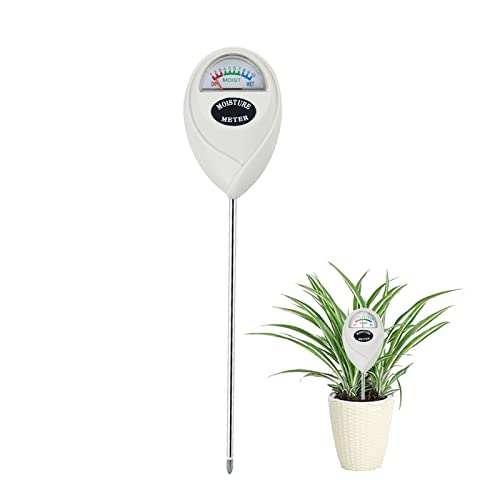
    XLUX 2 Pack Long Probe Plant Soil Moisture Meter, Battery-Free | longer stem for deeper use, instant read, anti-rust 304 SST probe, Easy-to-Read Display, Single-Probe, less hurts to roots
    XLUX 2 Pack Long Probe Plant Soil Moisture Meter, Battery-Free | longer stem for deeper use, instant read, anti-rust 304 SST probe, Easy-to-Read Display, Single-Probe, less hurts to roots

    Accurate Soil Moisture Detection: The XLUX Soil Moisture Meter can tell you if the soil deep inside your pot or garden is dry, moist or wet; whereas your eyes and fingers can only determine the moisture level of the soil surface. The probe is 5.5 inches (14 cm) longer than regular styles, allowing it to measure the soil moisture at the bottom of larger and deeper flower pots.
    VIEW LATEST PRICE

    As an affiliate, we earn on qualifying purchases.

    Censinda Soil Moisture Meter, Soil Moisture Monitor for House Plants, Soil Hygrometer Moisture Sensor for Indoor & Outdoor, Garden, Farm, Lawn Plant Care, No Battery Needed(White)
    Censinda Soil Moisture Meter, Soil Moisture Monitor for House Plants, Soil Hygrometer Moisture Sensor for Indoor & Outdoor, Garden, Farm, Lawn Plant Care, No Battery Needed(White)

    【SAVE YOUR PLANTS】: Over watering can cause problems with your plants or even kill them. This soil moisture meter helps you know the soil is dry, moist or wet.No more over watering!

    VIEW LATEST PRICE

    As an affiliate, we earn on qualifying purchases.

    Watering and Soil Requirements

    Watering lemon trees requires attention to their specific needs. During the growing season, water deeply once a week, ensuring the soil stays moist but not waterlogged. In warmer months, you may need to increase the frequency.

    Select well-draining sandy loam soil for planting. This type of soil retains some moisture while allowing excess water to drain away. You can amend the soil with organic matter to enhance its drainage and nutrient content. For newly planted trees, apply mulch around the base to retain moisture and suppress weeds.

    Pruning Techniques

    Pruning promotes healthy growth and fruit production in lemon trees. Begin pruning during the dormancy period, which typically occurs in late winter. Focus on removing dead or damaged branches to improve air circulation and light exposure.

    When pruning, aim to maintain an open center shape. This structure allows sunlight to penetrate the tree and reach more leaves, which enhances fruit formation. Trim back healthy branches to encourage new growth, ideally preserving enough foliage to support overall tree health. Avoid heavy pruning, as this can stress the tree and delay fruit production.

    MUST READ
    What Tree Is God Human in Blox Fruits: Unlocking Transformations and Power Enhancements

    Conclusion

    Growing your own lemon tree can be a rewarding journey filled with anticipation. While it might take a few years for your tree to start producing substantial fruit you can enjoy the process of nurturing it along the way. Remember to provide the right care and conditions to help your tree thrive.

    As you wait for those bright lemons to appear keep an eye on its growth and celebrate each milestone. With patience and dedication your lemon tree will eventually reward you with delicious fruit that adds a splash of flavor to your dishes and drinks. Happy gardening!

    Frequently Asked Questions

    How long does it take for a lemon tree to produce fruit?

    Lemon trees typically start producing substantial fruit between 3 to 5 years of age. Varieties like Eureka and Lisbon may bear fruit within 3 to 4 years, while Meyer lemons can yield in 2 to 3 years.

    What factors influence fruit production in lemon trees?

    Key factors include tree age, environmental conditions (like sunlight and temperature), and proper care. Adequate sunlight (at least 8 hours), optimal temperatures (70°F to 85°F), and well-draining soil significantly affect fruit yield.

    How should I care for my lemon tree to encourage fruiting?

    To maximize fruit yield, ensure consistent watering (deep watering once a week), maintain moist but well-draining soil, and use potassium-rich fertilizer. Prune during dormancy to improve air circulation and sunlight exposure.

    What type of soil is best for lemon trees?

    Lemon trees thrive in well-draining sandy loam soil. Amending the soil with organic matter can enhance drainage and provide essential nutrients for healthy growth and fruit production.

    Can younger lemon trees produce fruit?

    Yes, younger lemon trees may produce small fruit, but substantial production generally begins around the 3-5 year mark. Proper care during the early stages is crucial for future fruiting.

    Share. Facebook Twitter Pinterest LinkedIn Tumblr Email
    martha jackson
    Martha Jackson

      Martha Jackson is an accomplished freelance writer and editor with a strong interest in gardening. With a degree in English from the University of California, Berkeley, Martha has over 15 years of experience writing for a variety of publications. She is passionate about making gardening accessible to all and is always seeking out new techniques and innovations.

      Related Posts

      How Long Until Avocado Trees Bear Fruit and Tips for Faster Growth at Home

      February 20, 2025

      What Yellow Fruit Grows on Trees and Their Delicious Health Benefits

      February 20, 2025

      How to Air Layer Fruit Trees: A Step-by-Step Guide for Successful Propagation

      February 20, 2025

      When Do Grapefruit Trees Produce Fruit and How to Maximize Your Harvest

      February 20, 2025

      What Is a Fast Growing Fruit Tree: Discover Quick-Yield Options for Your Garden

      February 20, 2025

      Do Cherry Blossom Trees Have Fruit? Discover the Truth About Their Edibility and Benefits

      February 20, 2025
      Leave A Reply Cancel Reply

      Affiliate Disclosure

      As an Amazon Associate I earn from qualifying purchases.

      Recommended Reading

      Why Is My Grapefruit Tree Turning Yellow? Causes & Solutions Unveiled

      Why Is My Tangerine Tree’s Leaves Turning Yellow? Learn Causes and Solutions

      How Many Years Before a Banana Tree Bears Fruit: A Complete Guide to Growing Success

      When to Plant Fruit Trees in Minnesota: A Guide to Optimal Timing and Successful Growth

      When to Plant Fruit Trees in Louisiana: Essential Tips for a Bountiful Harvest

      Growing Kiwi in the Philippines: Tips for Successful Cultivation in a Tropical Climate

      Mulberry Trees in a Pot in South Carolina: Southern Harvest Tips

      How to Make a Pineapple Palm Tree Tropical Fruit Display: Step-by-Step Guide for Stunning Centerpieces

      Growing Cucamelon Plants: Tips for Cultivating Mexican Sour Gherkins

      Growing Apricot Trees in San Antonio, TX: Water-Wise Success

      Fruit Tree Hub

      Fruit Tree Hub is a website dedicated to providing you everything you need to grow fruit trees successfully at in your own yard.

      Contact us at: [email protected]

      - AFFILIATE DISCLOSURE: As an Amazon Associate I earn from qualifying purchases.

      Latest Posts

      18 Coastal Crochet Tops in White and Neutral Shades

      16 Retro Crochet Tops Built Around Multicolor Granny Squares

      16 Modest Crochet Tops Featuring Higher Necklines

      19 Cottagecore Crochet Tops With Square Necklines

      13 Ruffled Crochet Tops With Flared Hems

      19 Lace Crochet Tops Featuring Intricate Openwork

      14 Floral Crochet Tops Inspired by Botanical Motifs

      20 Boho Crochet Halter Tops for Festival Outfits

      Categories
      • Almond Trees
      • Apple Trees
      • Apricot Trees
      • Best Fruit Trees
      • Blackberry
      • Cantaloupe
      • Cherry Trees
      • Christmas Crochet Ideas
      • Crochet Bag Ideas
      • Crochet Blanket Ideas
      • Crochet Dress Ideas
      • Crochet Ideas
      • Crochet Ideas for Beginners
      • Crochet Top Ideas
      • Cucamelon
      • Easy Crochet Ideas
      • Easy Knitting Projects
      • Fall Crochet Ideas
      • Fig Trees
      • Grapefruit Trees
      • Grapes
      • Guava Trees
      • Halloween Crochet Ideas
      • Honeydew
      • Jujube Trees
      • Kiwi
      • Knitting For Beginners
      • Knitting Ideas
      • Knitting Inspiration
      • Lemon Trees
      • Lime Trees
      • Loquat Trees
      • Mango Trees
      • Mulberry Trees
      • Nectarine Trees
      • Olive Trees
      • Orange Trees
      • Papaya Trees
      • Peach Trees
      • Pear Trees
      • Persimmon Trees
      • Planting
      • Plum Trees
      • Pomegranate Trees
      • Quince Trees
      • Raspberry
      • Reviews
      • Small Crochet Ideas
      • Star Fruit Trees
      • Summer Crochet Ideas
      • Tamarind Trees
      • Tangerine Trees
      • Tips and Advice
      • Tools
      • Uncategorized
      • Walnut Trees
      • Winter Crochet Ideas
      © 2026 Fruit Tree Hub
      • Home
      • About Us
      • Contact
      • Privacy Policy
      • Terms and Conditions
      • Disclaimer
      • Editorial Policy
      • Affiliate Disclosure

      Type above and press Enter to search. Press Esc to cancel.