

Have you ever wondered when the best time to plant fruit trees in Minnesota is? If you’re eager to enjoy fresh apples or juicy pears from your own backyard, timing is everything. Minnesota’s climate can be tricky, and knowing when to plant can make all the difference in your tree’s success.
Imagine standing in your yard, envisioning vibrant fruit hanging from branches. You want to ensure your trees thrive and produce bountiful harvests. This article will guide you through the optimal planting times, taking into account Minnesota’s unique weather patterns. By the end, you’ll feel confident and ready to transform your yard into a fruitful paradise.
Key Takeaways
- Optimal Planting Seasons: The best times to plant fruit trees in Minnesota are in spring (late April to early June) and fall (mid-September to early October), depending on local frost dates.
- Soil Temperature: Ensure soil temperatures are at least 50°F for successful root development, particularly when planting in spring.
- Tree Selection: Choose cold-hardy fruit tree varieties suited to Minnesota’s climate, such as Honeycrisp apples, Montmorency cherries, and Bartlett pears.
- Soil Health: Conduct a soil test to check pH and nutrient levels; well-draining loamy soil with a pH between 6.0 and 7.5 is ideal for growing fruit trees.
- Weather and Conditions: Consider planting on cloudy days to minimize stress on young trees and ensure consistent soil moisture for successful establishment.
- Local Advice: Consult local gardening resources and experienced gardeners for tailored recommendations based on specific regional conditions within Minnesota.
Understanding Minnesota’s Climate
Minnesota’s climate significantly impacts when you can plant fruit trees. The state experiences harsh winters and a brief growing season, making it essential to choose the right timing for successful growth.
Winter Weather Conditions
Winter temperatures in Minnesota can drop to -30°F. Snow and ice are common, so it’s important to plant trees that can withstand these conditions. Look for cold-hardy varieties like apples, cherries, and pears. These trees thrive in zones 3 and 4.
Spring Planting Window
The ideal planting period for fruit trees generally falls between late April and early June. The soil temperature should reach at least 50°F to promote root growth. It’s best to wait until the risk of frost has passed. Check local frost dates to ensure successful planting.
Summer Considerations
If you missed the spring planting window, consider planting in early summer. Focus on July for late-blooming varieties. Ensure you keep the soil consistently moist to help young trees establish roots.
Fall Planting Strategies
Fall planting is another option, typically from mid-September to early October. This allows roots to grow before winter sets in. However, timing is crucial to avoid late-season frosts. Use mulch to protect young trees during colder nights.
Soil Conditions
In addition to temperature, consider soil health. Well-drained, loamy soil promotes healthy root systems. Conduct a soil test to determine pH levels and amend the soil as needed. Adding organic matter can improve drainage and enhance fertility.
Local Variations
Remember that conditions can vary across Minnesota. Check local gardening resources for advice tailored to your specific area. Connecting with local gardeners can provide firsthand insights into optimal planting practices.
By understanding Minnesota’s climate and following these guidelines, you can effectively plan the best times to plant your fruit trees for a bountiful harvest.
Best Time to Plant Fruit Trees
Understanding the best time to plant fruit trees in Minnesota can significantly impact their growth and yield. You can consider two primary planting seasons: spring and fall.
Spring Planting
Spring offers an ideal window for planting fruit trees. You should aim for late April to early June, once the threat of frost has passed. Consider the following tips:
- Soil Temperature: Aim for soil temperatures above 50°F. This temperature encourages root development.
- Weather Conditions: Choose a cloudy day for planting. It reduces stress on the young trees and helps prevent wilting.
- Tree Selection: Opt for cold-hardy varieties like apples, cherries, and pears that thrive in Minnesota’s climate.
Planting in spring allows trees to establish roots during the growing season, which prepares them for winter dormancy.
Fall Planting
Fall can also be a suitable time for planting fruit trees, especially in late September to October. This transition from growing to dormant season offers unique benefits:
- Root Development: Tree roots continue to grow in warm soil temps, even as the top growth slows down.
- Less Watering: Early fall rainfall typically aids in tree establishment, minimizing the need for extra watering.
- Variety Selection: Choose varieties suited for your specific region in Minnesota. Research local recommendations for optimal success.
Fall planting requires attention to frost dates. Ensure trees have enough time to establish before the ground freezes, which generally happens in late October.
By following these guidelines, you’ll maximize the potential of your fruit trees for a productive yield in Minnesota’s distinct climate.
Factors to Consider
When deciding when to plant fruit trees in Minnesota, consider several key factors that impact growth and success.
Recommended Products

Each offer includes one plant grown in a 4 inch pot

The Paw Paw is an ornamental fruit bearing tree.
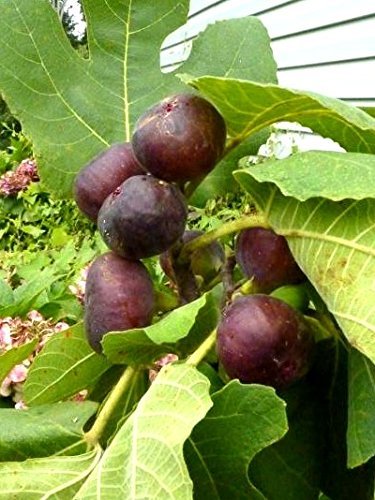
Includes Four Plants of "Chicago Hardy" Fig Trees with 4 Hello Organic Plant Tags. These are 2 inch rooted plants shipped in 2 inch tray pots and are 2-5 inches tall.
Tree Species Varieties
Choose tree species suitable for Minnesota’s climate. Cold-hardy varieties perform best, such as:
- Apples: Look for varieties like Honeycrisp or Haralson, which withstand the cold.
- Cherries: Tart cherries, such as Montmorency, thrive in Minnesota’s conditions.
- Pears: Varieties like Bartlett or Bosc adapt well and produce abundantly.
Each fruit type has different chilling hour requirements. Select those that align with your local climate for optimal growth.
Soil Conditions
Evaluate soil conditions before planting. Healthy soil promotes robust tree growth. Key considerations include:
- Well-draining Soil: Ensure your soil drains effectively to prevent root rot. Sandy loam works well.
- Soil pH: Aim for a pH between 6.0 and 7.5. Conduct a soil test to determine acidity and adjust if necessary.
- Nutrient Levels: Amend your soil with compost or organic matter to enhance fertility, providing essential nutrients.
Taking these soil factors into account helps create a supportive environment for your trees.
Preparation for Planting
Preparing for planting fruit trees in Minnesota involves careful planning and consideration of various factors. You’ll want to ensure the success of your trees by following these essential steps.
Recommended Products

Quick, at home results for Soil pH, Nitrogen, Phosphorous and Potash Innovative and inexpensive soil test kit features an easy-to-use capsule system and patented color comparators

KNOW BEFORE YOU GROW | Grow the healthiest, sustainable lawn and garden with the most accurate and easy to use professional soil test kit on the market

PROFESSIONAL-GRADE ACCURACY: Engineered specifically for soil pH testing, delivering results quickly (in about 60 seconds). With a 3rd Generation, 3-pad ph tester strips design, our soil ph test kit ensures consistent, repeatable results for all your lawn, landscape and garden needs.
Site Selection
Choose a location that receives full sun for at least six to eight hours daily. Focus on sites with good air circulation, as this helps reduce disease risk. Select well-draining soil to prevent waterlogging, which can harm roots. Look for areas away from large trees that can compete for nutrients and water. Consider windbreaks or natural barriers to protect young trees from harsh winds.
Soil Testing and Amendment
Start by testing your soil pH and nutrient levels to ensure optimal conditions for your trees. Obtain a soil testing kit from a local extension office or garden center. Aim for a pH between 6.0 and 7.5 for most fruit trees. If your soil is too acidic, consider adding lime. For alkaline soils, use sulfur to lower the pH.
Incorporate organic matter, such as compost or well-rotted manure, to enhance soil fertility and structure. These amendments improve nutrient availability and drainage. Regularly monitor your soil as planting time approaches. Adjust your amendments based on test results to create the best environment for your fruit trees.
Conclusion
With the right timing and preparation you can successfully grow fruit trees in Minnesota’s unique climate. Whether you choose to plant in spring or fall each option offers its own advantages that can help your trees thrive. Remember to select cold-hardy varieties and pay attention to soil conditions for the best results.
As you plan your garden keep in mind the importance of site selection and ensuring your trees have plenty of sunlight and good air circulation. With a little patience and care you’ll soon be enjoying the fruits of your labor in your very own backyard. Happy planting!
Frequently Asked Questions
When is the best time to plant fruit trees in Minnesota?
The ideal time to plant fruit trees in Minnesota is between late April and early June. This timing allows trees to establish roots before winter arrives, benefiting from the spring’s warmer temperatures and moisture.
Can I plant fruit trees in the fall?
Yes, fall planting is possible and can be effective if done between late September and October. It allows for root development in warm soil but requires monitoring frost dates to ensure trees establish before freezing temperatures.
Which fruit tree varieties are best for Minnesota?
Cold-hardy varieties are best suited for Minnesota’s climate. Popular options include Honeycrisp apples, Montmorency cherries, and Bartlett pears, all known for their resilience and delicious fruit.
What soil conditions are ideal for planting fruit trees?
Ideal soil conditions include well-draining soil with a pH between 6.0 and 7.5. It’s crucial to ensure the soil has adequate nutrients, which can be achieved through amendments like compost.
How can I prepare my site for planting fruit trees?
Choose a site that receives full sun for at least six to eight hours daily, ensures good air circulation, and is free from competition from large trees. Proper site selection is critical for your trees’ success.
Do I need to test my soil before planting?
Yes, testing your soil is recommended. Conduct a soil test to check pH and nutrient levels and make amendments as needed to create the best growing conditions for your fruit trees.
