

Have you ever wondered why your fruit trees shed their leaves? It’s a common sight in the fall, but understanding the timing and reasons behind it can help you care for your trees better.
As the seasons change, many fruit trees go through a natural cycle of shedding leaves, which can leave you questioning if your tree is healthy. This article will guide you through the factors that influence leaf loss and what you can expect throughout the year. By knowing when and why your trees lose their leaves, you’ll be better equipped to nurture them and enjoy a bountiful harvest.
Key Takeaways
- Seasonal Leaf Shedding: Fruit trees typically lose their leaves in response to seasonal changes, primarily during autumn as temperatures drop and daylight hours decrease.
- Timing Variances: The timing of leaf loss varies by species and local climatic conditions, generally occurring from late September to November for deciduous trees.
- Reasons for Leaf Loss: Key reasons for leaf loss include energy conservation, protection from damage, and preparation for dormancy to promote root growth and nutrient storage.
- Signs of Healthy Shedding: Healthy leaf loss is characterized by a uniform color change and appropriate timing; excessive leaf drop may indicate stress or disease.
- Care During Leaf Drop: Monitor soil moisture, prune dead branches wisely, and apply mulch to support trees during the leaf drop period, ensuring better health and growth for spring.
- Understanding Tree Specifics: Different fruit tree species exhibit distinct leaf loss patterns; knowing these can enhance tree care and maintenance practices.
Understanding Fruit Tree Leaf Loss
Fruit trees lose their leaves primarily in response to seasonal changes. In regions with temperate climates, this process typically occurs in autumn. As temperatures drop and daylight hours shorten, trees prepare for winter.
Recommended Products

MATURE SIZE & CARE GUIDE: Brown Turkey Fig, versatile and self-pollinating, grows 15-30 feet tall in full sun. Thrives in well-drained soil (Zones 7-10). Fruits late July to late fall, even after freeze damage.
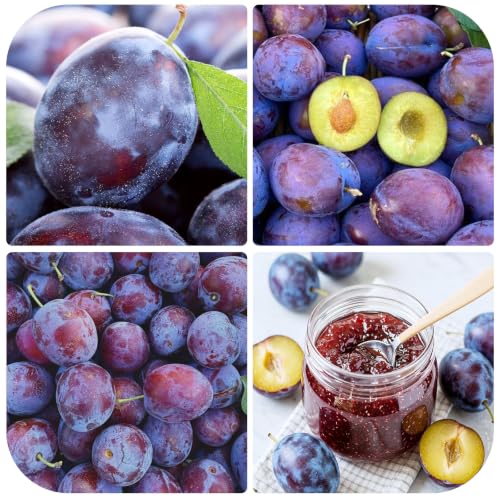
The cultivated plum trees are primarily for home fruit production, yielding plums suitable for fresh eating, jam-making, or baking. Mature trees also function as ornamental landscape specimens, providing shade and spring blossoms to gardens.

This plant produces sweet berries form late spring through early summer.
Timing of Leaf Loss
Leaf loss usually begins in late September and can stretch into November. Specific timing varies based on the species of the tree and local climate conditions. For example, apple and pear trees tend to lose leaves earlier than peach and plum trees.
Reasons for Leaf Loss
Leaf loss serves multiple purposes:
- Energy Conservation: Shedding leaves reduces water loss, conserving energy during winter dormancy.
- Protection from Damage: Removing leaves minimizes damage from snow and ice accumulation.
- Preparation for Growth: Trees enter dormancy, a crucial phase for root growth and nutrient storage.
Signs of Healthy Leaf Loss
Healthy leaf loss can be identified by:
- Uniform Color Change: Leaves turning yellow or red before falling indicates a natural process.
- Timing: Leaves dropping at the correct time signifies a healthy response to seasonal changes.
- Minimal Leaf Drop: Excessive shedding or sudden leaf loss may indicate stress or disease.
What to Do During Leaf Drop
During the leaf drop period, consider these care tips:
- Monitor Soil Moisture: Keep the soil appropriately moist, avoiding overwatering and drought.
- Prune Wisely: Identify any dead or damaged branches and prune them to encourage proper growth.
- Mulch: Apply a layer of mulch around the base to insulate roots and retain moisture.
Understanding when and why fruit trees lose their leaves helps maintain tree health and prepares them for strong growth in the spring.
Seasonal Changes in Fruit Trees
Fruit trees lose their leaves in response to seasonal shifts. This natural cycle primarily occurs in autumn, as temperatures drop and daylight hours diminish.
Recommended Products

Premium Material - Fall decoration banners are made of reusable polyester with high-definition effect printed delicate images. Fine craftsmanship, solid and reliable. Perfect indoor outdoor holiday decor.

Artificial lemon stem--it can be perfect for home decoration, scene layout, banquet decoration, holiday decoration, indoor and outdoor decoration, etc,lemon decorations home
Premium Material - Fall decoration banners are made of reusable polyester with high-definition effect printed delicate images. Fine craftsmanship, solid and reliable. Perfect indoor outdoor holiday decor.
Factors Influencing Leaf Loss
- Temperature: Cooler temperatures signal trees to prepare for dormancy. As temperatures fall below 50°F, many trees initiate leaf drop.
- Daylight: Shorter days trigger the production of abscisic acid, a hormone that promotes leaf shedding.
- Tree Species: Different species lose their leaves at varying times. For example, apples and cherries typically drop their leaves earlier than peaches and plums.
- Soil Moisture: Excess or insufficient moisture can affect leaf loss. Healthy soil moisture encourages regular leaf drop, while stressed trees may drop leaves prematurely.
- Northern Regions: In northern areas, fruit trees commonly display vibrant colors before shedding leaves. This process often starts in late September and can last into November.
- Southern Regions: Southern climates may see trees retaining leaves longer due to milder temperatures. Here, leaf loss can begin as late as December.
- Elevation: Higher elevations experience quicker temperature drops, leading to earlier leaf loss compared to lower areas with warmer climates.
Understanding these factors and variations equips you with the knowledge to care for your fruit trees effectively, setting the stage for healthy growth in spring.
Specific Fruit Trees and Leaf Loss Timing
Understanding when different fruit trees lose their leaves is crucial for effective care. Leaf loss timing varies based on tree species and local conditions.
Deciduous Trees
Deciduous fruit trees, such as apples, cherries, and pears, typically lose their leaves in autumn. The process usually begins in late September and can last into November. As temperatures fall below 50°F, these trees trigger leaf drop to conserve energy and protect themselves from winter damage.
Signs of impending leaf loss include a color change from green to yellow or red. Healthy deciduous trees will shed leaves uniformly. To support these trees, ensure they receive adequate water during the growing season. Pruning after leaf drop helps facilitate proper growth for the next season.
Evergreen Trees
Evergreen fruit trees, like certain varieties of citrus, retain their leaves throughout the year. However, these trees do shed older leaves periodically. This process, known as “leaf drop,” usually occurs in spring and summer rather than fall.
You might notice evergreen trees losing a few older leaves as new growth appears. Monitoring soil moisture is vital since evergreen trees can be sensitive to drought conditions. Regularly check for signs of stress, such as yellowing leaves or drooping branches. Providing proper care—like appropriate watering and fertilizing—will ensure your evergreen fruit trees thrive year-round.
The Importance of Leaf Loss
Understanding leaf loss in fruit trees is crucial for their care and health. Leaf drop serves multiple essential functions that prepare trees for seasonal changes.
Energy Conservation
Leaf loss aids in energy conservation. Trees reduce energy expenditure during winter when sunlight becomes scarce. Without leaves, trees minimize moisture loss through transpiration. This shift occurs when temperatures fall below 50°F. Deciduous species like apple and cherry trees exemplify this process, as they readily shed leaves to cope with the colder environment.
Preparation for Dormancy
Preparation for dormancy is another significant reason for leaf loss. As fall progresses, trees enter a state of rest, crucial for winter survival. During this time, trees conserve nutrients and energy. They reallocate resources to their roots and protective tissues, enhancing resilience against harsh winter conditions. Observing trees transition from vibrant greens to yellow or red signals this preparation, indicating the onset of dormancy.
Conclusion
Understanding when fruit trees lose their leaves can help you care for them better. As the seasons change and temperatures drop your trees are preparing for dormancy. This natural process is essential for their health and resilience during winter.
By keeping an eye on your trees and recognizing the signs of leaf drop you can ensure they stay healthy and strong. Remember to monitor soil moisture and provide the right care during this period. With a little attention your trees will be ready to burst back to life in the spring and reward you with a bountiful harvest.
Frequently Asked Questions
Why do fruit trees shed their leaves in the fall?
Fruit trees shed their leaves in response to seasonal changes, primarily to conserve energy and adapt to cooler temperatures and reduced daylight. This process usually begins in late September and can extend into November, depending on the tree species and local climate.
When do fruit trees typically lose their leaves?
Leaf loss in fruit trees typically begins in late September and continues into November. The exact timing varies by species; for example, apples and cherries often drop leaves earlier than peaches and plums.
What factors influence leaf drop in fruit trees?
Leaf drop is influenced by cooler temperatures, shorter daylight hours, soil moisture levels, and tree species. As temperatures fall below 50°F, many trees initiate the shedding process, aided by the production of abscisic acid.
How does leaf loss benefit fruit trees?
Leaf loss benefits fruit trees by conserving energy, reducing moisture loss during winter, and preparing for dormancy. This process allows the tree to redirect resources to its roots and protective tissues, enhancing resilience against winter conditions.
Do all fruit trees lose their leaves?
Not all fruit trees lose their leaves. Deciduous fruit trees, like apples and cherries, shed their leaves in fall, while evergreen trees, such as certain citrus varieties, retain their leaves year-round but may shed older leaves periodically in spring and summer.
What signs indicate that a fruit tree is about to lose its leaves?
Signs that a fruit tree is about to lose its leaves include a change in leaf color from green to yellow or red. Healthy deciduous trees typically shed their leaves uniformly when this change occurs.
How can I care for fruit trees during leaf drop?
To care for fruit trees during leaf drop, monitor soil moisture, prune wisely, and apply mulch. Ensuring proper hydration and maintenance helps to support tree health and prepares them for strong growth in the spring.
