

Have you ever noticed your fruit trees looking less than healthy? Pests can sneak in and wreak havoc, leaving you wondering when the best time is to take action. Timing is everything when it comes to protecting your precious trees from bugs that can ruin your harvest.
Key Takeaways
- Timing Matters: Spray fruit trees at critical points throughout the growing season—early spring, mid-spring, summer, and fall—for maximum effectiveness against pests.
- Monitor for Signs: Regularly observe trees for discoloration, webbing, fruiting issues, visible pests, and leaf damage to catch infestations early.
- Understand Growth Stages: Know when to spray based on the tree’s growth stage—dormant, bloom, fruiting, or post-harvest—to protect the trees and improve pest management.
- Choose Appropriate Pesticides: Select between organic options like neem oil or synthetic pesticides, considering their effects on beneficial insects when applying.
- Implement Preventative Measures: Enhance pest management through cultural practices such as maintaining healthy soil, diverse planting, and attracting natural predators like ladybugs.
- Apply Pesticides Correctly: Utilize various application methods—spraying, drenching, fogging, and baiting—to ensure thorough and effective coverage while prioritizing safety and environmental responsibility.
Understanding Pest Control for Fruit Trees
Pest control for fruit trees requires careful observation and timely action. Identifying pests early can save your harvest and keep your trees healthy.
Common Pests Affecting Fruit Trees
- Aphids: Small, soft-bodied insects that cluster on new growth. They suck sap, weakening trees.
- Caterpillars: Larvae from moths or butterflies that feed on leaves. They can defoliate trees rapidly.
- Spider Mites: Tiny pests that cause yellowing leaves. They thrive in hot, dry conditions and can multiply quickly.
- Fruit Flies: Small flies that lay eggs in fruit, causing damage during ripening. You may notice small holes in your fruit.
- Scale Insects: Hard-coated insects that attach to branches and leaves. They feed on sap and can lead to tree decline.
- Discoloration: Yellowing or browning leaves often indicates pest activity.
- Webbing: Presence of fine webs on branches suggests spider mites.
- Fruiting Issues: Rotting or damaged fruit can signal fruit flies or other pests.
- Visible Pests: Finding insects directly on the tree is a clear sign of infestation.
- Leaf Damage: Holes or missing parts on leaves indicate caterpillar feeding or other pests.
Regularly monitoring your trees for these signs helps catch infestations early. Take action promptly to protect your fruit trees and preserve your crop.
Timing is Key: When Should I Spray My Fruit Trees for Bugs?
You must pay attention to timing when spraying your fruit trees for bugs. Spraying at the right moments can prevent infestations and protect your harvest effectively.
Recommended Products
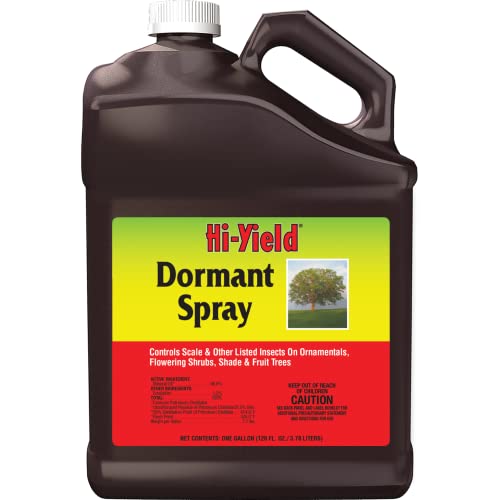
Controls a number of insects including Mites, Leaf Rollers, Armyworms and more. See label for more.
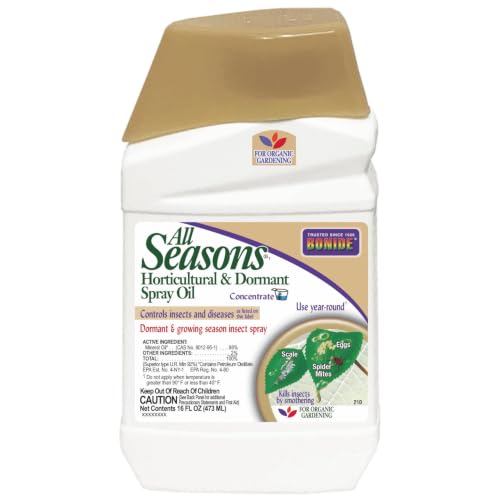
Control insects & diseases in your home garden with All Seasons Horticultural & Dormant Spray Oil Concentrate; use year-round to control listed insects and diseases

USE YEAR ROUND - Our 3-in-1 product provides year-round protection against insects, mites, and diseases. Can be used at the dormant stage, green tip stage, delayed dormant stage, and during the growing season to prevent pest infestations and disease.
Seasonal Considerations
Spraying fruit trees at specific times throughout the growing season ensures maximum effectiveness.
- Early Spring: Start monitoring in late winter to early spring. Apply insecticides before buds open to target hatching pests like aphids and scale.
- Mid-Spring: Watch for caterpillars as leaves emerge. Spray when you detect their activity to prevent defoliation.
- Summer: Regularly monitor for fruit flies and spider mites. Timing applications between fruit set and harvest is crucial for protection.
- Fall: As leaves drop, apply a dormant oil to suffocate overwintering pests. This helps reduce populations for the following season.
Growth Stages of Fruit Trees
The growth stage of your trees significantly impacts when you should spray.
- Dormant Stage: During dormancy, apply dormant oil to control overwintering pests without harming buds.
- Bloom Stage: Avoid spraying during bloom to protect pollinators. Wait until flowers fall before applying treatments.
- Fruiting Stage: At this stage, careful monitoring helps catch pests. Apply insecticides when pests are spotted, but always adhere to pre-harvest intervals to avoid residue on fruit.
- Post-Harvest: At this stage, clean up fallen fruit and leaves. Use targeted sprays on any remaining insects.
By understanding seasonal patterns and the growth stages of your trees, you enhance your pest management strategy and support a healthy fruit harvest.
Choosing the Right Pesticides
Selecting the right pesticides significantly impacts pest management for fruit trees. Focus on both organic and synthetic options to find what suits your needs best.
Recommended Products
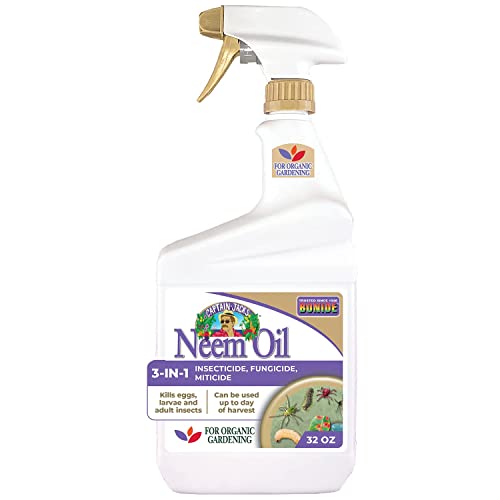
Protect your oasis with 3 garden products in 1 from Captain Jack’s; Bonide Captain Jack’s Ready-to-Use Neem Oil spray for plants is a multi-purpose fungicide, insecticide and miticide for your lawn & garden

FUNGAL DISEASE CONTROL: Prevents and controls black spot on roses, powdery mildew, rust, downy mildew, and other listed fungal diseases when applied on a 7–14 day schedule

Protect your oasis with Captain Jack’s Neem Max Ready-to-Use Spray; this multipurpose product acts as a 4-in-1 insecticide, fungicide, miticide and nematicide
Organic vs. Synthetic Options
Organic pesticides often use natural ingredients and are generally safer for pollinators and the environment. Examples include neem oil, insecticidal soap, and diatomaceous earth. These options target pests effectively while minimizing harm to beneficial insects.
Synthetic pesticides can provide stronger protection against pests. They often have longer-lasting effects but may pose risks to non-target organisms. It’s important to read labels carefully and apply these products responsibly. Always choose pesticides registered for your specific fruit type.
Application Methods
Applying pesticides correctly ensures maximum effectiveness. Here are some common methods:
- Spraying: Use a sprayer or garden hose attachment for even coverage. Spray trees early in the morning or late in the evening to reduce evaporation and potential harm to bees.
- Drenching: This method involves pouring a diluted pesticide solution at the base of the tree. It delivers treatment directly to the roots and can help with soil-borne pests.
- Fogging: For larger areas or heavy infestations, fogging creates a fine mist of pesticide. Ensure the fog reaches all parts of the tree.
- Baiting: Use bait traps to attract and kill pests like fruit flies. Place these traps near fruit or areas where pests are active for best results.
Always follow safety precautions, wear protective gear, and ensure proper dosage. By choosing the right pesticides and application methods, you enhance the health of your fruit trees and protect your harvest.
Preventative Measures for Pest Control
Preventative measures simplify pest management and protect your fruit trees. Implementing these strategies helps you minimize pest infestations before they start.
Cultural Practices
Cultural practices play a vital role in pest prevention. Healthy trees resist pests more effectively. Here are some key actions:
- Plant Diversity: Grow a variety of plants around your fruit trees to confuse pests and attract beneficial insects.
- Soil Health: Maintain healthy soil through regular testing and organic amendments, like compost or aged manure. Strong roots lead to resilient trees.
- Proper Watering: Water adequately to avoid stress. Deep, infrequent irrigation promotes strong root systems.
- Pruning: Prune effectively to improve air circulation and reduce humidity, creating an unfavorable environment for pests.
Natural Predators and Beneficial Insects
Natural predators contribute significantly to pest control. By attracting these beneficial insects, you can help keep pest populations in check. Consider these tactics:
- Ladybugs: Release ladybugs in your orchard. These insects feast on aphids and other soft-bodied pests.
- Parasitic Wasps: Introduce parasitic wasps that target caterpillars and aphids. They lay eggs inside pests, which helps control pest populations.
- Plant Flowers: Plant flowering species like marigolds and dill nearby. These plants attract pollinators and beneficial insects.
- Avoid Broad-Spectrum Pesticides: Limit pesticide use to preserve beneficial insects in your garden. They offer crucial natural pest control.
Utilizing these preventative measures enhances your pest management strategy and supports healthier fruit trees.
Conclusion
Taking the right steps at the right time can make all the difference in keeping your fruit trees healthy and productive. By staying vigilant and observing your trees for signs of pests you can act quickly to protect your harvest. Remember to consider the growth stages of your trees and the seasonal timing for spraying.
Choosing the right pesticides and employing natural pest control methods can also enhance your efforts. You’re not just safeguarding your trees but fostering a thriving ecosystem. With a little attention and care your fruit trees can flourish and provide you with a bountiful harvest year after year. Happy gardening!
Frequently Asked Questions
What are the common pests that affect fruit trees?
Common pests that can damage fruit trees include aphids, caterpillars, spider mites, fruit flies, and scale insects. Identifying these pests early is crucial for effective control and to ensure a successful harvest.
How can I identify pest activity on my fruit trees?
Look for signs such as discoloration of leaves, webbing, visible pests, leaf damage, and issues with fruiting. Regular monitoring for these indicators will help you catch infestations early.
When is the best time to treat fruit trees for pests?
Effective timing varies by season. Monitor from late winter to early spring, treat caterpillars in mid-spring, and be vigilant against fruit flies and spider mites in summer. Apply dormant oil in fall to control overwintering pests.
How do growth stages of fruit trees affect pest management?
The growth stages—dormant, bloom, fruiting, and post-harvest—impact when to spray. Protect pollinators during bloom and adhere to pre-harvest intervals to avoid pesticide residue on fruit.
What type of pesticides should I use for fruit tree pest control?
Consider both organic and synthetic options. Organic pesticides like neem oil are safer for the environment, while synthetic pesticides may provide stronger protection. Choose based on your specific needs and the impact on beneficial insects.
What application methods are effective for pest control on fruit trees?
Spraying, drenching, fogging, and baiting are common application methods. Ensure proper dosage and follow safety precautions for each method to maximize effectiveness and minimize risk to non-target organisms.
How can cultural practices help prevent pest infestations?
Promoting plant diversity, maintaining soil health, proper watering, and effective pruning create an unfavorable environment for pests. These practices can significantly reduce the likelihood of infestations.
What role do beneficial insects play in pest management?
Beneficial insects, like ladybugs and parasitic wasps, help control pest populations naturally. Planting flowering species can attract these helpful organisms, enhancing your pest management strategy.
