

Ever wondered when those vibrant orange trees in Florida start bearing fruit? If you’re dreaming of juicy oranges fresh from your backyard, you’re not alone. Many homeowners find themselves curious about the timing of this delightful process.
Key Takeaways
- Ideal Growing Conditions: Orange trees thrive in Florida’s subtropical climate, requiring well-draining sandy loam soil and plenty of sunlight for optimal growth.
- Fruit Production Timeline: Expect your orange trees to bear fruit around 4 to 5 years after planting, with major development stages including blooming in early spring and the growth and maturation of fruit throughout the summer and fall.
- Impact of Climate and Soil: Factors such as temperature, precipitation, and soil quality directly affect fruit yield; maintaining proper soil pH (6.0 to 7.5) and ensuring adequate water supply are crucial for healthy production.
- Best Practices for Care: Regular watering (1-2 inches weekly), proper fertilization, and annual pruning significantly enhance fruit quality and yield. Monitor for pests and apply organic treatments as needed.
- Harvesting Tips: Ripe oranges are typically ready for harvest from late fall through spring. Harvest by gently twisting the fruit from the branch to avoid damage.
- Ongoing Maintenance: Consistent monitoring of tree health and addressing any signs of disease or pests will support long-term fruit production and overall tree vitality.
Overview of Orange Trees in Florida
Orange trees thrive in Florida’s subtropical climate, offering ideal conditions for growth and fruit production. These trees predominantly belong to the sweet orange (Citrus sinensis) variety, known for its juicy fruit.
Growth Stages of Orange Trees
- Planting: Plant orange trees in well-draining soil. Choose a location with plenty of sunlight. Optimal planting occurs in spring or early summer.
- Maturation: Orange trees take about 3 to 5 years after planting to bear their first fruit. This timeframe can vary based on tree care and environmental conditions.
- Flowering: Blooming occurs in early spring. Flowers develop into small fruit, which grows gradually throughout the season.
Fruit Production Timeline
- Early Growth (Year 1-2): Trees focus on establishing roots and foliage.
- Pre-fruit Development (Year 3): You might see the initial blooms and small oranges forming.
- First Harvest (Year 4-5): Most trees begin producing fruit suitable for harvesting around this time.
Factors Affecting Fruit Production
- Winter Frost: Frost can damage blossoms, reducing fruit yield. Protect young trees with frost cloth if temperatures drop.
- Watering: Regular watering, especially during dry spells, encourages healthy growth. Avoid overwatering, which can lead to root rot.
- Fertilization: Use a balanced fertilizer specific to citrus trees in late winter or early spring for optimal growth.
- Prune: Regular pruning improves airflow and sunlight penetration, promoting healthier trees.
- Pest Management: Monitor for pests such as aphids and scale. Implement organic pesticides when needed.
- Harvesting: Pick ripe oranges by twisting them gently off the branch. They usually ripen from late fall through spring.
Factors Influencing Fruit Production
Several key factors affect fruit production in orange trees, particularly in Florida’s unique environment. Understanding these elements helps ensure a successful harvest of fresh oranges.
Recommended Products


Climate Conditions
Climate conditions play a crucial role in determining when orange trees bear fruit. Ideal temperatures for fruit production range between 70°F and 100°F. Frost can damage blossoms and fruit set, so having frost protection measures in place is essential. Regular rainfall or irrigation also promotes healthy fruit development, with a recommended 1 to 2 inches of water weekly. Monitor the local climate and adjust your care practices accordingly to optimize fruit yield.
Soil Quality
Soil quality directly impacts the health and productivity of orange trees. Well-draining, sandy loam soil works best. Conducting a soil test determines nutrient levels and pH, ensuring it falls between 6.0 and 7.5 for optimal growth. Add organic matter, like compost, to improve soil structure and nutrient content. Proper drainage prevents root rot, helping the tree thrive and produce fruit.
Tree Age and Variety
Tree age and variety significantly influence fruit production timelines. Orange trees typically bear fruit around 4 to 5 years after planting. Sweet orange varieties, such as ‘Valencia’ and ‘Navel,’ are popular choices in Florida for their flavor and yield. Different varieties may have slightly different fruiting periods; some could produce fruit earlier or later. Research the specific variety you choose to better understand its growth stages and harvest potential.
Typical Fruit Production Timeline
Orange trees in Florida follow a specific timeline for fruit production, influenced by various factors throughout the year. Here’s a breakdown of what to expect.
Recommended Products
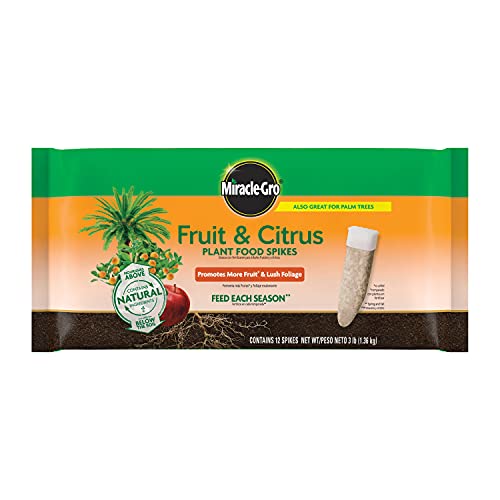
FORMULATED FOR CITRUS AND FRUIT TREES: Use these citrus fertilizer spikes on apple, orange, lemon, lime, and avocado trees; this formula is also great for feeding palm trees

Balanced Organic Nutrition – Supplies a 6‑3‑3 NPK ratio along with calcium, sulfur, iron, and zinc to foster healthy foliage, flowering, and fruit.

🍋 EXPLOSIVE HARVEST: GardenWise ignites a remarkable yield boost. Its scientific blend, featuring 6% nitrogen for growth, 4% phosphorus for flowering, and 6% potassium for fruit quality, culminates in an abundance of flavorful, aromatic fruits. This is more than growth; it's a nutrient-powered revolution in your citrus yield.
Blossom Period
The blossom period for orange trees typically starts in late winter to early spring, around February to March. During this time, you’ll see white, fragrant blossoms covering the branches. A healthy bloom ensures the potential for a robust crop. To maximize flowering, provide adequate nutrients and ensure good drainage and watering at this stage.
Fruit Development Stages
After pollination, fruit development begins, progressing through several distinct stages:
- Setting Phase: This occurs shortly after flowering, lasting roughly 6 to 10 weeks. You may notice tiny green fruit developing.
- Growth Phase: Lasting from late spring to late summer, this phase spans about 4 to 6 months. During this time, the fruit enlarges rapidly and gradually gains color.
- Maturation Phase: This phase begins in late summer and lasts until harvest, approximately 4 to 7 months. As the fruit ripens, it changes from green to orange. For optimal sweetness, wait until oranges fully mature before harvesting.
Regularly check your trees during these phases to ensure they receive adequate water and nutrients. This proactive approach can lead to a more fruitful harvest.
Best Practices for Optimizing Yield
Optimizing yield from your orange trees involves careful attention to care, maintenance, and pest management. Implementing these best practices ensures a fruitful harvest season.
Recommended Products


Suitable for ALL Skin Types. Each Soap is 75 grams(2.65 Ounces). You will get 3 X 2.65 Ounces = 8 Ounces
Care and Maintenance
Watering regularly: Maintain consistent moisture in the soil. Water your orange trees approximately once every week, providing about 1 to 2 inches of water each time, especially during dry spells. This encourages healthy growth and improves fruit quality.
Fertilizing appropriately: Use a balanced fertilizer specifically designed for citrus trees. Apply it in early spring and again in late summer, following the manufacturer’s recommended rates. Regular fertilization promotes robust foliage and fruit development.
Pruning effectively: Prune your trees annually to remove dead or crossing branches. Aim for an open center structure, allowing sunlight and air to reach all parts of the tree. This practice supports healthy growth and enhances fruit setting.
Pest and Disease Management
Monitoring regularly: Check your trees weekly for signs of pests or disease. Look for common pests like aphids, spider mites, and citrus leaf miners. Early detection allows for quicker intervention.
Applying organic treatments: Use neem oil or insecticidal soap for light infestations. These organic solutions are effective and safe for use around fruit. Apply as directed during the evening hours to minimize harm to beneficial insects.
Implementing disease prevention: Maintain soil health by using well-draining soil and adding organic matter. Regularly remove fallen leaves and debris from around the base of your trees. This reduces the risk of fungal infections and keeps your trees vigorous.
By adhering to these care and maintenance practices and managing pests and diseases, you can significantly optimize the yield of your orange trees, ensuring a bountiful harvest in Florida’s climate.
Conclusion
Growing orange trees in Florida can be a rewarding experience. With the right care and attention you can enjoy fresh oranges right from your backyard. Remember that patience is key as it typically takes a few years for trees to bear fruit.
By understanding the growth stages and providing the necessary conditions your trees will thrive. Keep an eye on factors like watering and soil quality to boost your harvest. With a little effort you’ll soon be savoring the sweet taste of homegrown oranges. Happy gardening!
Frequently Asked Questions
When do orange trees in Florida bear fruit?
Orange trees in Florida typically start bearing fruit around 4 to 5 years after planting. This timeline can vary based on tree variety and growing conditions.
What are the optimal planting conditions for orange trees?
Orange trees thrive in well-drained sandy loam soil with adequate sunlight and regular rainfall. Protecting young trees from frost is also essential for early growth.
How often should I water my orange trees?
Orange trees should be watered regularly, especially during dry spells. The soil should be kept moist but not waterlogged to promote healthy growth and fruit production.
What factors affect orange tree fruit production?
Several factors influence fruit production, including tree age, variety, soil quality, winter frost, pest management, and proper watering and fertilization techniques.
What is the fruit production timeline for orange trees?
The fruit production timeline includes a blossom period from late winter to early spring, a setting phase of 6 to 10 weeks, a growth phase of 4 to 6 months, and a maturation phase of 4 to 7 months before harvest.
How can I optimize yield from my orange trees?
To optimize yield, maintain regular watering, use balanced citrus fertilizers, prune appropriately, and monitor for pests and diseases. These practices ensure healthy growth and a bountiful harvest.
What are the best orange varieties for Florida?
Popular orange varieties for Florida include ‘Valencia’ and ‘Navel’, known for their excellent flavor and high yield. Choosing the right variety can impact the success of your harvest.
